











باختصار شديد:
- يوفر صناع السوق سيولة مستمرة ويضمنون تنفيذًا سريعًا للتداولات في أسواق الفوركس والعقود مقابل الفروقات.
- يحددون الأسعار بناءً على أسعار الفائدة بين البنوك والمخزون والمخاطر، مما يؤدي إلى اتساع هوامش الربح خلال الفترات المتقلبة.
- يساعد فهم سلوك صانع السوق المتداولين على تحسين التوقيت، وتقليل التكاليف، وتحسين نتائج التداول بشكل عام.
يفترض معظم المتداولين أن أسعار الفوركس والعقود مقابل الفروقات تعكس العرض والطلب بشكل كامل. هذا الافتراض صحيح جزئيًا فقط. فخلف كل سعر تراه على منصتك، هناك... يقوم صانع السوق بتوفير سعر عرض وطلب متواصل، وإدارة فعّالة للمخاطر، والربح من فرق السعر. إن فهم هوية هؤلاء اللاعبين، وكيفية تحديدهم للأسعار، وما يعنيه ذلك لتنفيذك للصفقات، ليس مجرد معرفة ثانوية، بل هو أساس التداول الذكي في الأسواق المالية الحديثة. يشرح لك هذا المقال كل ما تحتاج معرفته عن صُنّاع السوق وكيفية توظيف هذه المعرفة لصالحك.
جدول المحتويات
- ما هو صانع السوق ولماذا هو مهم؟
- كيف يحدد صناع السوق الأسعار ويديرون المخاطر
- صُنّاع السوق، والوصول المباشر إلى السوق، وشبكات الاتصال الإلكترونية: مقارنة نماذج التنفيذ
- تأثير صانعي السوق على نتائج التداول: المخاطر والحالات الاستثنائية
- كيف يمكن للمتداولين الاستفادة من معرفة صانع السوق لتحسين النتائج
- لماذا يُعد فهم صُنّاع السوق سلاح المتداول السري
- ارتقِ بتداولك إلى مستوى أعلى باستخدام أدوات الخبراء والتعليم.
- الأسئلة الشائعة
أهم النقاط
| نقطة | تفاصيل |
|---|---|
| يوفر صناع السوق السيولة | يضمنون لك إمكانية الشراء أو البيع دائمًا من خلال عرض أسعار العرض والطلب بشكل مستمر في أسواق الفوركس والعقود مقابل الفروقات. |
| إنهم يستفيدون من هذا التفاوت | يحقق صناع السوق أرباحهم من خلال الفرق بين أسعار الشراء والبيع، مع مراعاة المخاطر والتقلبات. |
| تؤثر نماذج التنفيذ على المخاطر | يؤثر اختيار صانع السوق أو الوصول المباشر إلى السوق أو شبكة الاتصالات الإلكترونية على مخاطر الطرف المقابل والشفافية وتكاليف التداول. |
| سلوك المتداولين يؤثر على النتائج | إن تجنب الأخطاء الشائعة - مثل الاحتفاظ بالأسهم الخاسرة لفترة طويلة جدًا - يساعد في الحد من الميزة التي قد يتمتع بها صناع السوق عليك. |
| الوعي الاستراتيجي يمنح ميزة | يساعدك فهم تكتيكات صانع السوق على تكييف الاستراتيجية، وإدارة التنفيذ، وتعزيز أداء التداول. |
ما هو صانع السوق ولماذا هو مهم؟
صانع السوق هو شركة أو مؤسسة تُحدد باستمرار سعر الشراء (الطلب) وسعر البيع (العرض) لأداة مالية. لا ينتظر صانع السوق أن يجد المشترون والبائعون أنفسهم، بل يتدخل في كلا جانبي كل صفقة، مما يضمن لك إمكانية تنفيذ طلبك في أي وقت. هذا هو جوهر مفهوم "صناعة" السوق.
في تداول العملات الأجنبية والعقود مقابل الفروقات، يوفر صناع السوق السيولة من خلال العمل كطرف مقابل في صفقاتك. فعندما تنقر على زر الشراء، يبيع لك صانع السوق. وعندما تنقر على زر البيع، يشتري منك. هذا التوافر المستمر هو ما يُبقي أسواق التجزئة فعّالة على مدار الساعة.
إليك سبب أهمية هذا الأمر بالنسبة لتداولك:
- التنفيذ مضمون: يمكنك دائمًا الدخول في صفقة أو الخروج منها لأن صانع السوق موجود دائمًا ليأخذ الجانب الآخر.
- انتشار ضيق في الظروف العادية: المنافسة بين صناع السوق تُبقي فروق الأسعار ضيقة خلال ساعات التداول السائل.
- اكتشاف السعر: في سوق الفوركس وعقود الفروقات للأفراد، يقوم صناع السوق بتجميع الأسعار من أسعار ما بين البنوك وتحديد عروض أسعار قابلة للتداول لعملاء التجزئة.
- تعبئة فورية: لأنه لا توجد حاجة لمطابقة طلبك مع تاجر تجزئة آخر، فإن التنفيذ عادة ما يكون سريعًا.
يهيمن صناع السوق بشكل خاص على منتجات التجزئة. ففي تداول العملات الأجنبية الفوري وعقود الفروقات على المؤشرات والمعادن والأسهم، يعمل معظم وسطاء التجزئة وفق نموذج صانع السوق بدلاً من توجيه الأوامر إلى البورصة.
“"صناع السوق هم العمود الفقري لسيولة تداول العملات الأجنبية والعقود مقابل الفروقات للأفراد. فبدونهم، سيواجه المتداولون الأفراد انزلاقًا سعريًا هائلاً وفجوات متكررة في الأسعار، مما يجعل التنفيذ المتسق شبه مستحيل."”
فهم الفرق بين الفوركس وعقود الفروقات كما يساعدك ذلك على معرفة أين يكون لصناع السوق أكبر تأثير على أداتك المالية المحددة.
كيف يحدد صناع السوق الأسعار ويديرون المخاطر
لا يحدد صانعو السوق الأسعار عشوائياً، بل يعتمد تسعيرهم على موازنة محسوبة بين سعر الفائدة بين البنوك، ومخزونهم، والمخاطر التي يتحملونها في أي لحظة. والفرق السعري الذي تراه هو تعويضهم عن تحمل هذه المخاطر.
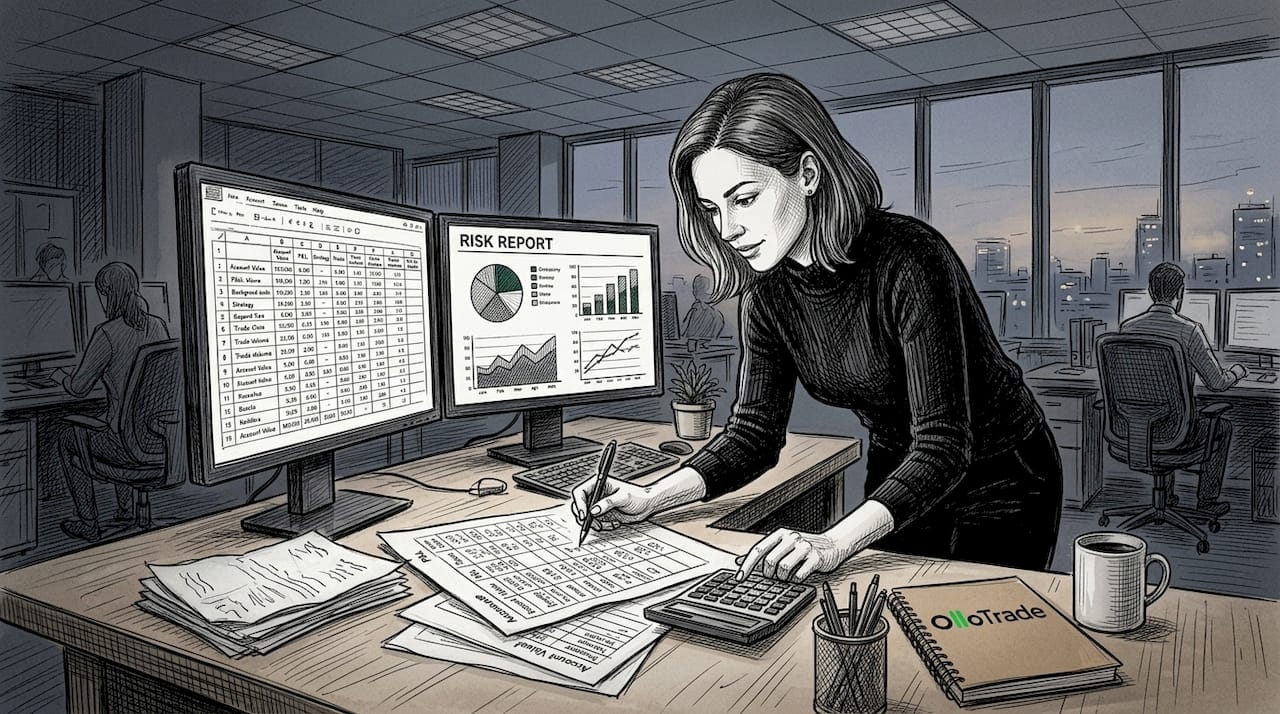
ال يتم تعديل فرق سعر العرض والطلب يعتمد ذلك على التقلبات والسيولة ومخزون صانع السوق الحالي. إذا كان لديه عدد كبير جدًا من مراكز الشراء، فقد يُعدّل سعره قليلاً لجذب البائعين. يُسمى هذا إدارة المخزون، ويحدث في أجزاء من الثانية.
يستخدم صانعو السوق المعاصرون خوارزميات متطورة. على سبيل المثال، يُعد نموذج أفيلانيدا-ستويكوف إطارًا مرجعيًا واسع الانتشار حيث مراقبة المخزون والتحوط تُجري هذه الأنظمة تعديلات ديناميكية على أسعار الأسهم في الوقت الفعلي، وتستطيع الاستجابة لاختلالات تدفق الطلبات أسرع من أي متداول بشري.
| ظروف السوق | الانتشار النموذجي | سرعة التنفيذ | خطر الانزلاق |
|---|---|---|---|
| سيولة عادية | ضيق (على سبيل المثال، 0.5-1 نقطة) | سريع جداً | قليل |
| قبل الأخبار (تقلبات عالية) | توسيع (2-5+ نقاط) | أبطأ | معتدل |
| بيان صحفي هام | واسع جداً (5-20+ نقطة) | تأخير | عالي |
| خارج ساعات العمل (سيولة منخفضة) | أعرض من المعتاد | سريع لكنه نحيف | معتدل |
تشمل ضوابط المخاطر التي يستخدمها صناع السوق ما يلي:
- التحوط من المخزون الزائد في سوق ما بين البنوك
- تعديل عرض الانتشار لإدارة الاختيار السلبي
- تحديد حجم المراكز لكل عميل أثناء فترات التقلبات
- استخدام النماذج الخوارزمية لإعادة موازنة الأسعار بشكل مستمر
للحصول على إرشادات عملية حول إدارة المخاطر الخاصة بك في الظروف المتقلبة،, استراتيجيات التحوط في التداول يجدر مراجعة هذه الأمور جنبًا إلى جنب مع فهمك لكيفية تصرف صناع السوق.
نصيحة احترافية: تتسع فروق الأسعار بشكل حادّ عند وقوع أحداث إخبارية هامة مثل تقارير الوظائف غير الزراعية أو قرارات البنوك المركزية. لذا، يُنصح بتعديل مستويات وقف الخسارة وجني الأرباح قبل هذه الأحداث، أو ببساطة تجنّب الدخول في السوق حتى تعود فروق الأسعار إلى وضعها الطبيعي. كما يمكنك متابعة الأحداث القادمة باستخدام مصادر متخصصة. تأثير الأخبار على التداول.
صُنّاع السوق، والوصول المباشر إلى السوق، وشبكات الاتصال الإلكترونية: مقارنة نماذج التنفيذ
لا يقوم جميع الوسطاء بتوجيه أوامرك بنفس الطريقة. يُعد فهم الفرق بين نموذج صانع السوق والبدائل مثل الوصول المباشر إلى السوق (DMA) أو شبكات الاتصالات الإلكترونية (ECN) أمرًا بالغ الأهمية لاختيار بيئة التنفيذ المناسبة لاستراتيجيتك.
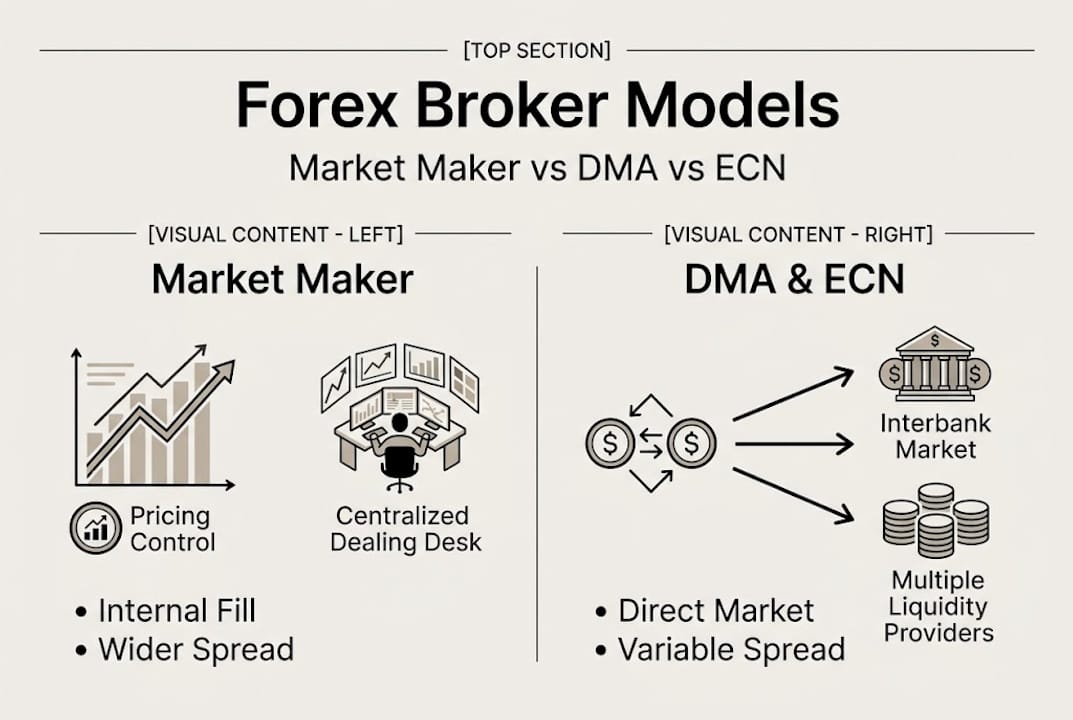
تُوجّه خدمة الوصول المباشر إلى السوق (DMA) طلبك مباشرةً إلى البورصة أو موفر السيولة، متجاوزةً الوسيط كطرف مقابل. أما خدمة شبكة الاتصالات الإلكترونية (ECN) فتجمع عروض الأسعار من عدة موفري سيولة وتُطابق طلبك مع أفضل سعر متاح. كلا النموذجين أكثر شفافية، لكنهما قد ينطويان على عمولات وفروق أسعار متغيرة.
يعمل صناع السوق كأطراف مقابلة في عمليات التداول الخاصة بك، بينما تقوم كل من DMA وECN بتوجيه الأوامر إلى سيولة خارجية. يؤثر هذا الاختلاف الهيكلي على كل شيء بدءًا من جودة التنفيذ وصولًا إلى تضارب المصالح المحتمل.
| ميزة | صانع السوق | DMA/ECN |
|---|---|---|
| سرعة التنفيذ | سريع جداً | سريع (متغير) |
| نوع البيانات المنتشر | ثابت أو مُدار | متغيرة، وغالبًا ما تكون أكثر إحكامًا |
| الطرف المقابل | وسيط | مجمع سيولة خارجي |
| تضارب المصالح | ممكن | الحد الأدنى |
| الأفضل لـ | تجارة التجزئة، الحسابات الصغيرة | متداولون محترفون، حجم تداول كبير |
| العمولات | عادة لا شيء | رسوم لكل عملية تداول في كثير من الأحيان |
سيناريوهات يتألق فيها كل نموذج:
- صانع السوق: يُعدّ هذا الخيار الأمثل للمتداولين الأفراد الذين يرغبون في تنفيذ الصفقات بشكل مضمون، وفروق أسعار ثابتة، وعدم وجود عمولات على الصفقات الصغيرة. كما أنه مناسب لتداول العقود مقابل الفروقات على الأدوات المالية الأقل سيولة.
- DMA/ECN: يُعد هذا الخيار أفضل للمتداولين المحترفين الذين يعطون الأولوية لشفافية الأسعار، وفروق الأسعار الأولية الضيقة، ويرغبون في تجنب أي تضارب محتمل في المصالح.
- تداول العقود مقابل الفروقات تحديداً: تعتمد معظم منتجات ديناميكيات الفروقات الحسابية على تصميم صانع السوق. يساعدك فهم الفرق بين ديناميكيات الفروقات الحسابية وتنفيذ عمليات الوصول المباشر إلى السوق على وضع توقعات واقعية بشأن عمليات البيع والتسعير.
إن تضارب المصالح في نماذج صانع السوق حقيقي ولكنه قابل للإدارة. يُلزم الوسطاء المرخصون بتقديم أفضل تنفيذ، ولا يجوز لهم التداول بشكل منهجي ضد مصالح عملائهم. ومع ذلك، فإن الوعي هو أفضل حماية لك.
تأثير صانعي السوق على نتائج التداول: المخاطر والحالات الاستثنائية
والآن ننتقل إلى الأرقام الدقيقة. البيانات المتعلقة بنتائج التداول بالتجزئة تبعث على القلق، وتلعب ديناميكيات صانع السوق دورًا مباشرًا في ذلك.
تُظهر الدراسات أن من 74 إلى 89% من تجار التجزئة يخسر المتداولون أموالاً عند تداول العقود مقابل الفروقات مع وسطاء صناع السوق. وتشير الأبحاث أيضاً إلى أن المتداولين الخاسرين يحتفظون بمراكزهم لمدة 3188 دقيقة في المتوسط، بينما يحتفظ الرابحون بمراكزهم لمدة 1513 دقيقة فقط. وتزداد ربحية صناع السوق بنحو 12.21 ضعفاً لكل زيادة قدرها 101 ضعفاً في تجميع أوامر البيع والشراء، مما يعني أن سلوك المتداولين الأفراد المتجمعين يمثل ميزة مباشرة لصانع السوق.
يبرز تضارب المصالح بشكلٍ جليّ خلال فترات التقلبات الحادة. فعندما يُصاب المتداولون الأفراد بالذعر ويُفرطون في التداول، تتسع فروق الأسعار، ويزداد الانزلاق السعري، وتنمو الميزة الهيكلية لصانع السوق. ويُعدّ احتفاظ المتداولين الأفراد بالخاسرين لفترة أطول بكثير من الرابحين أحد أكثر أنماط السلوك الموثقة التي تُضخّم هذه الميزة.
أخطاء شائعة تمنح صانعي السوق ميزة:
- الاحتفاظ بالصفقات الخاسرة لفترة طويلة جدًا مع بيع الصفقات الرابحة على عجل
- الإفراط في التداول خلال الأحداث الإخبارية ذات التقلبات العالية عندما تكون فروق الأسعار في أوسع حالاتها
- تجاهل تكلفة الفارق في الصفقات قصيرة الأجل المتكررة
- تداول الأدوات المالية غير السائلة حيث يتمتع صانع السوق بقوة تسعير أكبر
- التفاعل العاطفي مع ارتفاع الأسعار بدلاً من اتباع خطة محددة
نصيحة احترافية: استخدم أوامر وقف خسارة ثابتة في كل صفقة، وقاوم رغبتك في تمديدها عندما تسير الصفقة عكس توقعاتك. هذا المبدأ البسيط يحدّ من الميزة السلوكية التي يكتسبها صانعو السوق من المتداولين الأفراد الذين يحتفظون بمراكز خاسرة. راجع كيفية خفض تكاليف التداول كما أنها خطوة عملية نحو حماية حافتك.
للمتداولين الذين يرغبون في تحسين أسلوبهم،, استراتيجيات تداول العقود مقابل الفروقات تُعتبر تلك التي تأخذ في الاعتبار تكاليف الفروقات ودورات التقلبات نقطة انطلاق قوية.
كيف يمكن للمتداولين الاستفادة من معرفة صانع السوق لتحسين النتائج
إن معرفة كيفية عمل صانعي السوق ليست مجرد مسألة نظرية، بل تترجم إلى قرارات ملموسة تُحسّن من تنفيذك وتحمي رأس مالك.
بالنسبة للمتداولين الأفراد، فإن أهم الخطوات العملية هي:
- مراقبة سلوك الانتشار: راقب متى تتسع فروق الأسعار لدى وسيطك. تجنب الدخول في الصفقات خلال العشر دقائق التي تسبق وتلي صدور الأخبار الرئيسية.
- اختر نموذج التنفيذ بعناية: إذا كنت تتداول بشكل متكرر أو بكميات كبيرة، قارن بين تكاليف صانع السوق وتكاليف شبكة الاتصالات الإلكترونية (ECN). قد يكون فرق السعر في حساب صانع السوق أقل من عمولات شبكة الاتصالات الإلكترونية عند أحجام التداول المنخفضة، لكن هذا الوضع ينعكس عند زيادة وتيرة التداول.
- تجنب الوقوع في فخاخ السلوك: إن معرفة أن الاحتفاظ بالخاسرين لفترة طويلة يفيد صانع السوق بشكل مباشر هو حافز قوي للالتزام بقواعد الخروج الخاصة بك.
- قم بتوقيت عمليات الدخول الخاصة بك بما يتناسب مع السيولة: تكون فروق الأسعار في أدنى مستوياتها خلال فترات تداخل جلسات التداول الرئيسية (لندن/نيويورك). الدخول خلال هذه الفترات يقلل من تكلفة كل صفقة.
- استخدم أوامر الحد حيثما أمكن ذلك: تمنحك أوامر الحد اليقين بشأن السعر وتقلل من قدرة صانع السوق على تلبية طلبك بسعر أقل ملاءمة خلال فترات تقلبات السوق.
بالنسبة للمتداولين المحترفين، يُتيح فهم ديناميكيات مخزون صانعي السوق وفروق الأسعار استخدام استراتيجيات أكثر تقدماً. إن توقع تحركات الأسعار قصيرة الأجل حول مجمعات السيولة، وتحديد متى يُرجح أن يقوم صانعو السوق بالتحوط من مراكز كبيرة، واستخدام هذا السياق لتحديد توقيت الدخول والخروج، هي مهارات تميز المتداولين ذوي الأداء المتميز عن غيرهم.
التقديم استراتيجيات التداول المتقدمة يمنحك منظور صانع السوق ميزة هيكلية لا يمتلكها معظم المتداولين الأفراد.
لماذا يُعد فهم صُنّاع السوق سلاح المتداول السري
تركز معظم برامج تعليم التداول على أنماط الرسوم البيانية والمؤشرات وإشارات الدخول، لكنها تكاد تخلو من الجانب الآخر من الصفقة. هذه الثغرة هي التي تتسبب في خسارة معظم المتداولين لأموالهم دون أن يدركوا السبب.
عندما تفهم كيف يحدد صناع السوق الأسعار، تتوقف عن الاستغراب من اتساع فروق الأسعار أثناء الأخبار. تتوقف عن التساؤل عن سبب تفعيل أمر وقف الخسارة بانعكاس فوري. تبدأ برؤية حركة السعر كجزء من هيكل السوق، وليس فقط كدالة للعرض والطلب.
يُعدّ الفرق بين الفوركس وعقود الفروقات من حيث نموذج التنفيذ مثالاً واضحاً. فالمتداولون الذين يدركون هذا الفرق يختارون الأدوات والوسطاء الذين يتناسبون مع استراتيجيتهم بدلاً من الانجراف وراء ما يتم تسويقه بقوة.
لا يقتصر التداول على اختيار الفرص المناسبة فحسب، بل يشمل أيضاً فهم قواعد اللعبة. إنّ الإلمام ببنية السوق ليس مهارة إضافية، بل هو شرط أساسي لكل من يسعى بجدية لتحقيق أداء ثابت. نادراً ما يكون المتداولون الذين يحققون أداءً متميزاً على المدى الطويل هم من يمتلكون أفضل المؤشرات، بل هم من يفهمون بيئة التداول التي يعملون فيها.
ارتقِ بتداولك إلى مستوى أعلى باستخدام أدوات الخبراء والتعليم.
هل أنت مستعد لتطبيق رؤيتك الجديدة حول صناعة السوق؟ إن فهم النظرية ليس سوى الخطوة الأولى. تكمن الميزة الحقيقية في تطبيقها باستخدام الأدوات المناسبة والوصول المباشر إلى السوق.
في أولا تريد، يمكنك الوصول إلى مجموعة كاملة من أدوات تداول العملات الأجنبية صُممت هذه الأدوات لتناسب المتداولين الأفراد والمحترفين على حد سواء، وتتميز بفروق أسعار ضيقة، وتنفيذ سريع، وتكامل مع منصة MetaTrader 4. إذا كنت ترغب في معرفة المزيد عن هذه الأدوات، فراجع دليلنا. دليل ديناميكا الموائع الحسابية يشرح هذا الدليل بالتفصيل كيفية عمل عقود الفروقات، وكيفية تحديد الأسعار، وما يمكن توقعه من التنفيذ. أضف إلى هذه المعرفة منصة مصممة خصيصًا للتداول الاحترافي، وستحصل على كل ما تحتاجه للتداول بثقة.
الأسئلة الشائعة
كيف يربح صانعو السوق المال في سوق الفوركس وعقود الفروقات؟
يربح صناع السوق من فرق سعر العرض والطلب، والذي يتسع خلال فترات التقلبات والمخاطر العالية، مما يعوضهم عن زيادة التعرض الذي يتحملونه كطرف مقابل لك.
لماذا يخسر المتداولون الأفراد في كثير من الأحيان عند التداول مع صناع السوق؟
يخسر ما بين 74 إلى 89% من المتداولين الأفراد أموالهم إلى حد كبير بسبب التحيزات السلوكية مثل الاحتفاظ بالصفقات الخاسرة لفترة طويلة جدًا، بالإضافة إلى ميزة التسعير الهيكلية التي يتمتع بها صناع السوق في التنفيذ.
ما هي مخاطر التداول مع صانع السوق مقارنة بالتداول المباشر للسوق (DMA) أو شبكة الاتصالات الإلكترونية (ECN)؟
يتمثل الخطر الرئيسي في تضارب المصالح بين الأطراف المقابلة: يعمل صناع السوق كأطراف مقابلة في عقود الفروقات وقد يستفيدون عندما يخسر العملاء، على عكس نماذج DMA أو ECN حيث يتفاعل طلبك مع مزودي السيولة الخارجيين.
كيف يدير صناع السوق مخاطرهم؟
يستخدمون نماذج المخزون والتحوط إلى جانب أنظمة التسعير الخوارزمية لإعادة موازنة تعرضهم باستمرار ومنع الخسائر الكبيرة الناتجة عن تدفق طلبات العملاء.
هل يمكن أن يساعدني فهم تكتيكات صناع السوق في التداول بشكل أفضل؟
بالتأكيد. إن معرفة كيفية عمل ديناميكيات الانتشار وسلوك صانع السوق يساعدك على تحديد توقيت الدخول بشكل أكثر فعالية، وتجنب الأخطاء السلوكية المكلفة، واختيار نموذج التنفيذ الذي يناسب أسلوب التداول الخاص بك على أفضل وجه.