











สรุปโดยย่อ:
- เทรดเดอร์รายย่อยส่วนใหญ่ในตลาดฟอเร็กซ์ขาดทุนเนื่องจากขาดวินัย การบริหารความเสี่ยง และการตัดสินใจโดยใช้อารมณ์เป็นหลัก.
- รายการตรวจสอบการซื้อขายที่มีโครงสร้างครอบคลุมตั้งแต่การเตรียมการ การตรวจสอบ การจัดการ และการทบทวน ช่วยเพิ่มความสม่ำเสมอ.
- หลักจิตวิทยาที่ถูกต้อง การปฏิบัติตามกฎ และการจดบันทึกอย่างต่อเนื่อง เป็นกุญแจสำคัญสู่ความสำเร็จในระยะยาวในการซื้อขายฟอเร็กซ์.
เดอะ อัตราความล้มเหลวของฟอเร็กซ์ ตัวเลขที่น่าตกใจคือ ระหว่าง 741 ถึง 891 ล้านดอลลาร์สหรัฐ นักลงทุนรายย่อยขาดทุน นี่ไม่ใช่สถิติเล็กน้อย แต่เป็นความจริงเชิงโครงสร้างที่ฝังรากลึกในวินัยที่อ่อนแอ การบริหารความเสี่ยงที่ไม่สม่ำเสมอ และการตัดสินใจโดยใช้อารมณ์ เช็คลิสต์การซื้อขายที่ดีจะเปลี่ยนสมการนั้น มันจะบังคับให้เกิดโครงสร้างในทุกช่วงการซื้อขาย ขจัดความไม่แน่นอนจากการตัดสินใจเข้าและออก และทำให้คุณรับผิดชอบเมื่อตลาดผันผวน บทความนี้จะแนะนำคุณเกี่ยวกับเช็คลิสต์การซื้อขายฟอเร็กซ์แบบทีละขั้นตอนอย่างครบถ้วน ครอบคลุมการเตรียมตัวก่อนเปิดตลาด การตรวจสอบก่อนการซื้อขาย การจัดการการซื้อขายจริง และการตรวจสอบหลังการซื้อขาย เพื่อให้คุณสามารถสร้างกระบวนการที่สามารถใช้งานได้จริงภายใต้ความกดดัน.
สารบัญ
- การเตรียมตัวก่อนเปิดตลาด: รากฐานของการเทรดฟอเร็กซ์อย่างชาญฉลาด
- การตรวจสอบก่อนการซื้อขาย: ยืนยันการตั้งค่าของคุณและจัดการความเสี่ยง
- การบริหารจัดการการซื้อขาย: หลีกเลี่ยงข้อผิดพลาดที่มีค่าใช้จ่ายสูงระหว่างการดำเนินการ
- การตรวจสอบหลังการซื้อขาย: การบันทึกประจำวัน ตัวชี้วัด และการปรับปรุงอย่างต่อเนื่อง
- เหตุใดเช็คลิสต์ส่วนใหญ่จึงล้มเหลว: กุญแจสำคัญที่แท้จริงสู่ความสำเร็จในการซื้อขาย
- สำรวจโซลูชันและเครื่องมือสำหรับเทรดเดอร์ฟอเร็กซ์
- คำถามที่พบบ่อย
ประเด็นสำคัญ
| จุด | รายละเอียด |
|---|---|
| รายการตรวจสอบช่วยเสริมสร้างวินัย | การใช้เช็คลิสต์ที่กำหนดไว้ล่วงหน้าจะช่วยสร้างความสม่ำเสมอและลดข้อผิดพลาดในการซื้อขายที่เกิดจากความหุนหันพลันแล่น. |
| การบริหารความเสี่ยงเป็นสิ่งสำคัญ | การจำกัดความเสี่ยงต่อการซื้อขายและการขาดทุนรายวันจะช่วยป้องกันไม่ให้บัญชีของคุณเสียหายจนหมด. |
| การเขียนบันทึกประจำวันช่วยเร่งการพัฒนาให้ดีขึ้น | การตรวจสอบและบันทึกการซื้อขายอย่างสม่ำเสมอจะนำไปสู่กลยุทธ์ที่ดีขึ้นและข้อผิดพลาดที่น้อยลง. |
| จิตวิทยาสำคัญกว่าอัตราการชนะ | วินัยทางอารมณ์มีความสำคัญมากกว่าแค่การทำกำไรจากการซื้อขายในสัดส่วนที่สูง. |
การเตรียมตัวก่อนเปิดตลาด: รากฐานของการเทรดฟอเร็กซ์อย่างชาญฉลาด
ก่อนที่จะทำการซื้อขายแม้แต่ครั้งเดียว เทรดเดอร์ที่ดีที่สุดจะใช้เวลาในการสร้างบริบท พวกเขาจะไม่รีบร้อนหาจังหวะการซื้อขาย แต่พวกเขาจะถามคำถามที่สำคัญกว่านั้นคือ สภาพแวดล้อมของตลาดในวันนี้เป็นอย่างไร และเอื้ออำนวยต่อกลยุทธ์ของฉันหรือไม่ ขั้นตอนการเตรียมตัวนี้เองที่เป็นตัวชี้วัดว่าวินัยในการเทรดจะถูกสร้างขึ้นหรือถูกละทิ้งไป.
เริ่มต้นด้วยปฏิทินเศรษฐกิจ ทุกวันทำการซื้อขาย คุณควรตรวจสอบเหตุการณ์ข่าวที่กำหนดไว้และทำความเข้าใจผลกระทบที่อาจเกิดขึ้น ข่าวสารสำคัญ เช่น ตัวเลขการจ้างงานนอกภาคเกษตรของสหรัฐฯ การตัดสินใจเรื่องอัตราดอกเบี้ยของธนาคารกลาง และข้อมูลดัชนีราคาผู้บริโภค (CPI) สามารถทำให้คู่สกุลเงินหลักเคลื่อนไหวได้หลายร้อยจุดในเวลาไม่กี่นาที การเพิกเฉยต่อเหตุการณ์เหล่านี้ก็เหมือนกับการขับรถโดยไม่เห็นทาง การวางแผนอย่างเหมาะสม การทบทวนปฏิทินเศรษฐกิจ ควรทำเป็นอย่างแรกในทุกเช้า โดยควรทำก่อนเวลาเริ่มการประชุมประมาณ 30 ถึง 60 นาที.
ถัดไป ให้กำหนดระดับราคาสำคัญของคุณ ระดับเหล่านี้คือโซนโครงสร้างที่ราคาเคยมีปฏิกิริยามาก่อน ได้แก่ ราคาสูงสุดและต่ำสุดรายวันก่อนหน้า แนวรับและแนวต้านสำคัญ ราคาเปิดรายสัปดาห์ และกลุ่มคำสั่งซื้อขายของสถาบันการเงิน หากคุณใช้การวิเคราะห์อุปสงค์และอุปทาน โซนเหล่านี้จะช่วยให้การเทรดของคุณมีบริบท หากไม่มีโซนเหล่านี้ ทุกแท่งเทียนก็จะดูเหมือนเป็นเพียงการตั้งค่าเท่านั้น.
จากนั้นกำหนดทิศทางที่คุณสนใจ ราคาอยู่ในช่วงขาขึ้น ขาลง หรือทรงตัว? กราฟรายวันบอกอะไรคุณบ้าง? ทิศทางนี้จะช่วยกรองการเทรดของคุณ เพื่อให้คุณมองหาเฉพาะการซื้อในแนวโน้มขาขึ้นและการขายในแนวโน้มขาลงในกรอบเวลาที่สั้นลง ตามที่กล่าวไว้ หลักการพื้นฐานของการซื้อขายฟอเร็กซ์, ขั้นตอนสำคัญก่อนเปิดตลาด ได้แก่ การตรวจสอบปฏิทินเศรษฐกิจ การกำหนดระดับราคาสำคัญ และการวิเคราะห์แนวโน้ม การละเลยขั้นตอนใดขั้นตอนหนึ่งจะเพิ่มความเสี่ยงในการเข้าซื้อขายที่มีคุณภาพต่ำ.
รายการตรวจสอบก่อนวางจำหน่าย:
- ตรวจสอบปฏิทินเศรษฐกิจเพื่อดูเหตุการณ์ที่มีผลกระทบสูงและปานกลาง
- ทำเครื่องหมายระดับแนวรับและแนวต้านสำคัญรายวันและรายสัปดาห์บนกราฟของคุณ
- ระบุทิศทางแนวโน้มในกรอบเวลาประจำวันและ 4 ชั่วโมง
- จดบันทึกแนวโน้มทิศทางการซื้อขายของคุณสำหรับแต่ละคู่สกุลเงินที่คุณทำการซื้อขาย
- ตรวจสอบความเคลื่อนไหวของราคาในช่วงข้ามคืนและการปิดช่องว่างราคาใดๆ ในช่วงเปิดตลาด
- ตั้งค่าการแจ้งเตือนบนแพลตฟอร์มสำหรับระดับราคาสำคัญที่คุณต้องการติดตาม
ต่อไปนี้ เคล็ดลับการตลาด กลยุทธ์นี้แยกแยะนักลงทุนที่เตรียมตัวมาดีออกจากนักลงทุนที่ใจร้อนได้อย่างสม่ำเสมอ ตลาดไม่สนใจว่าคุณจะตื่นเต้นแค่ไหน มันให้รางวัลแก่คนที่เตรียมตัวมาดี.
เคล็ดลับมือโปร: ตั้งค่าการแจ้งเตือนราคาสำหรับช่วงเวลาที่มีข่าวสำคัญประกาศออกมา และโซนแนวรับและแนวต้านที่สำคัญ ก่อนที่ตลาดจะเริ่มซื้อขาย วิธีนี้จะช่วยป้องกันไม่ให้คุณจ้องหน้าจอและตัดสินใจด้วยอารมณ์ในทันทีเมื่อราคาแตะระดับสำคัญๆ.
การตรวจสอบก่อนการซื้อขาย: ยืนยันการตั้งค่าของคุณและจัดการความเสี่ยง
เมื่อคุณทำการวิเคราะห์ก่อนเปิดตลาดเสร็จแล้ว จุดตรวจสอบถัดไปที่สำคัญที่สุดคือ การตรวจสอบว่าการซื้อขายที่อาจเกิดขึ้นนั้นตรงตามเกณฑ์การเข้าซื้อของคุณหรือไม่ นี่คือจุดที่การซื้อขายที่ใช้อารมณ์เป็นหลักจะถูกคัดกรองออกไป การตั้งค่าที่ "ดูดี" แต่ไม่ผ่านเกณฑ์ที่คุณกำหนดไว้ไม่ใช่การซื้อขาย แต่มันคือการพนัน.
ใช้ขั้นตอนที่เป็นลำดับเพื่อทำให้เป็นระบบ สำหรับการซื้อขายแต่ละครั้ง ให้ตรวจสอบทุกรายการก่อนที่จะกดปุ่มดำเนินการ ห้ามข้าม ห้ามพูดว่า “เดี๋ยวค่อยตรวจสอบทีหลัง” ทุกรายการมีความสำคัญ.
รายการตรวจสอบก่อนทำการซื้อขาย:
- การตั้งค่านี้ช่วยยืนยันอคติเชิงทิศทางของผมก่อนเปิดตลาดหรือไม่?
- มีสัญญาณเข้าซื้อที่ชัดเจนในกรอบเวลาที่ฉันเลือกหรือไม่ (เช่น แท่งเทียน Pin Bar, แท่งเทียน Engulfing Candle, การทะลุแนวต้านพร้อมปริมาณการซื้อขาย)?
- อัตราส่วนความเสี่ยงต่อผลตอบแทนอย่างน้อย 1:2 หรือไม่?
- ฉันได้คำนวณขนาดตำแหน่งที่แน่นอนของฉันโดยอิงจากความเสี่ยงของบัญชี 1-2% แล้วหรือยัง?
- จุดตัดขาดทุนของฉันตั้งอยู่ที่ระดับโครงสร้างที่สมเหตุสมผลหรือไม่ ไม่ใช่ระยะห่างของ pip ที่กำหนดขึ้นโดยพลการใช่หรือไม่
- มีเส้นทางที่ชัดเจนไปยังเป้าหมายของฉันโดยไม่มีอุปสรรคหรือแนวรับสำคัญขวางกั้นอยู่หรือไม่?
- ฉันซื้อขายอยู่ภายในขีดจำกัดการขาดทุนรายวันของฉันหรือไม่?
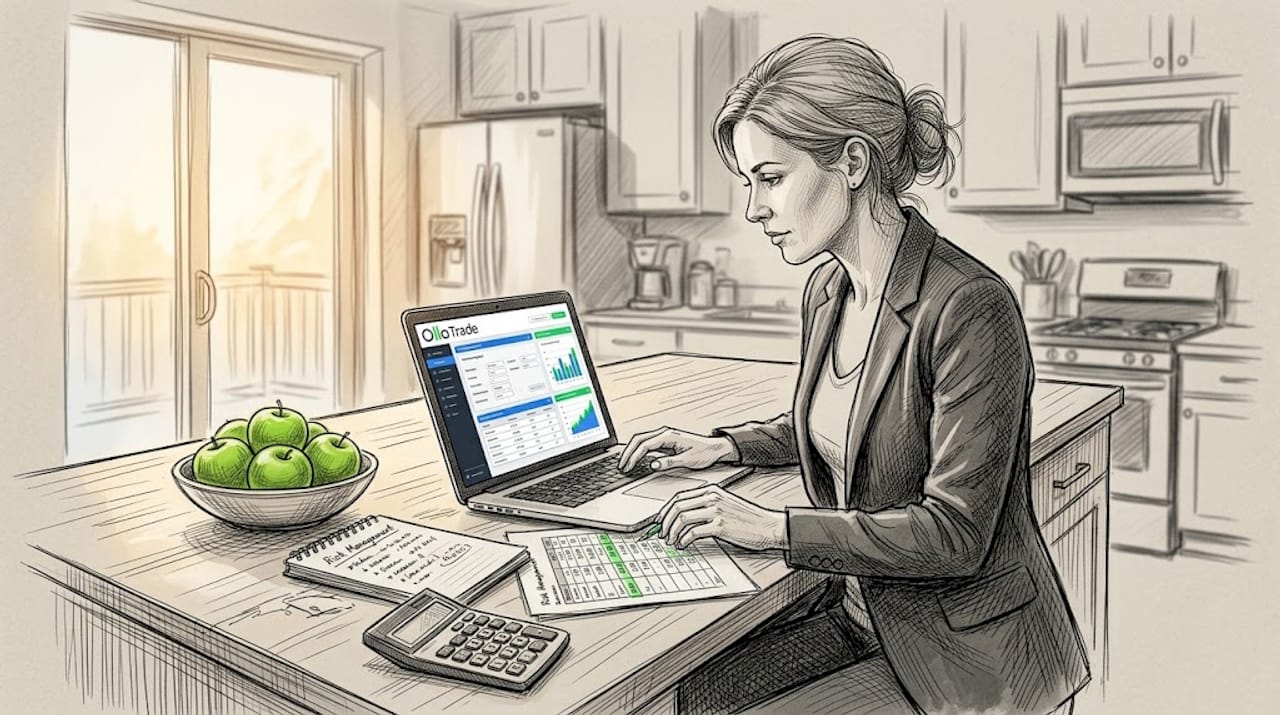
ในประเด็นเรื่องความเสี่ยง คำแนะนำจากผู้เชี่ยวชาญด้านการเทรดฟอเร็กซ์นั้นชัดเจน: ความเสี่ยงต่อการเทรดแต่ละครั้งควรอยู่ระหว่าง 1% ถึง 2% ของมูลค่าบัญชีทั้งหมด อัตราส่วนความเสี่ยงต่อผลตอบแทนควรอยู่ที่อย่างน้อย 1:2 การกำหนดขนาดของตำแหน่งต้องคำนวณก่อนเข้าเทรด และต้องตั้งจุดตัดขาดทุน (stop-loss) ไว้ที่ระดับโครงสร้าง ไม่ใช่ระดับอารมณ์ สิ่งเหล่านี้ไม่ใช่คำแนะนำ แต่เป็นกฎพื้นฐานที่จะช่วยให้บัญชีของคุณอยู่รอดได้นานพอที่จะหาจังหวะทำกำไรได้.
ต่อไปนี้คือคำอธิบายเชิงปฏิบัติเกี่ยวกับวิธีการทำงานของตัวเลขเหล่านั้นในขนาดบัญชีที่แตกต่างกัน:
| ขนาดบัญชี | ความเสี่ยงต่อการซื้อขาย (1%) | ความเสี่ยงต่อการซื้อขาย (2%) | เป้าหมายขั้นต่ำ (1:2 R:R) |
|---|---|---|---|
| $1,000 | $10 | $20 | $20 ถึง $40 |
| $5,000 | $50 | $100 | $100 ถึง $200 |
| $10,000 | $100 | $200 | $200 ถึง $400 |
| $25,000 | $250 | $500 | $500 ถึง $1,000 |
แนวทางที่มั่นคงในการ การจัดการความเสี่ยงในการซื้อขาย หมายถึงการถือว่าตัวเลขเหล่านี้เป็นกฎตายตัว ไม่ใช่แนวทางที่ยืดหยุ่นได้ ใช้เครื่องคำนวณขนาดตำแหน่งของโบรกเกอร์ของคุณ หรือสูตรเฉพาะ: ขนาดตำแหน่งเท่ากับ (ความเสี่ยงของบัญชีเป็นดอลลาร์) หารด้วย (จุดหยุดขาดทุนเป็น pip คูณด้วยมูลค่า pip).
เดอะ รายการตรวจสอบความปลอดภัยในการซื้อขายฟอเร็กซ์ นอกจากนี้ยังเน้นย้ำถึงความสำคัญของการกำหนดขีดจำกัดการขาดทุนรายวันอย่างชัดเจน เทรดเดอร์มืออาชีพส่วนใหญ่จะหยุดเทรดในแต่ละวันหลังจากขาดทุน 3% ถึง 5% จากบัญชีของตน ขีดจำกัดนี้ช่วยป้องกันไม่ให้การเทรดที่ไม่ดีในตอนเช้ากลายเป็นการขาดทุนที่ร้ายแรง.
เคล็ดลับมือโปร: อย่าข้ามขั้นตอนแรกของเช็คลิสต์นี้เด็ดขาด หากการตั้งค่าไม่ตรงกับอคติเชิงทิศทางของคุณ ก็ถือว่าใช้ไม่ได้ ไม่ว่ารูปแบบจะดูสะอาดตาแค่ไหนในกรอบเวลาที่ต่ำกว่าก็ตาม อคติในการยืนยันจะทำลายบัญชีของคุณ อคติของคุณคือตัวกรองของคุณ จงเคารพมัน.
การบริหารจัดการการซื้อขาย: หลีกเลี่ยงข้อผิดพลาดที่มีค่าใช้จ่ายสูงระหว่างการดำเนินการ
เมื่อคุณยืนยันการตั้งค่าและส่งคำสั่งซื้อแล้ว คุณกำลังอยู่ในช่วงที่ยากลำบากที่สุดทางจิตวิทยาของการเทรด ราคาเคลื่อนไหว ปรับตัวลง และทรงตัว จิตใจของคุณเริ่มต่อรองกับแผนการของคุณ นี่คือจุดที่วินัยแสดงคุณค่าออกมา.
กฎพื้นฐานของการบริหารจัดการการค้านั้นเรียบง่ายในทางทฤษฎี แต่โหดร้ายในทางปฏิบัติ:
- อย่าเลื่อนจุดตัดขาดทุนให้ห่างจากจุดเข้าซื้อมากขึ้น. ตลอดกาล การเลื่อนจุดหยุดขาดทุนเพื่อหลีกเลี่ยงการขาดทุนเป็นนิสัยที่สร้างความเสียหายมากที่สุดในการเทรด.
- พิจารณาขายทำกำไรบางส่วนเมื่อถึงระดับราคาที่กำหนดไว้ล่วงหน้า. หากเป้าหมายของคุณคือ 100 pip ให้พิจารณาปิดตำแหน่ง 50% ที่ 60 pip วิธีนี้จะช่วยล็อกกำไรและลดแรงกดดันทางอารมณ์ได้.
- อย่าเพิ่มทุนในขณะที่กำลังขาดทุน. การถัวเฉลี่ยราคาลงในตลาดฟอเร็กซ์ไม่ใช่กลยุทธ์การฟื้นตัว แต่เป็นวิธีที่จะเพิ่มการขาดทุนให้มากขึ้น.
- ใช้การแจ้งเตือนแทนการแสดงหน้าจอ. การเฝ้าติดตามการซื้อขายที่เปิดอยู่ตลอดเวลาจะทำให้เกิดผลกระทบทางอารมณ์ ตั้งค่าการแจ้งเตือนแล้วเดินออกไป.
- เคารพการตั้งจุดตัดขาดทุนและเป้าหมายที่ตั้งไว้ตั้งแต่แรก. เลื่อนจุดหยุดการขาดทุนไปในทิศทางที่ได้กำไรเท่านั้น อย่าเลื่อนไปในทิศทางตรงกันข้ามกับกำไรเด็ดขาด.
“การขาดทุนจากการซื้อขายส่วนใหญ่ไม่ได้เกิดจากความผิดพลาดด้านกลยุทธ์ แต่เกิดจากความผิดพลาดทางอารมณ์หลังจากเปิดการซื้อขายแล้ว เช่น การเลื่อนจุดหยุดขาดทุน การปิดสถานะก่อนกำหนดเพราะความกลัว หรือการเพิ่มสถานะที่ขาดทุนเพราะความหวัง”
ความจริงข้อนี้ได้รับการสนับสนุนจากข้อมูล การศึกษาต่างๆ เกี่ยวกับ จิตวิทยาการซื้อขาย ผลการวิจัยแสดงให้เห็นอย่างสม่ำเสมอว่า นักลงทุนรายย่อยทำผลงานได้ต่ำกว่าที่คาดการณ์ไว้ ไม่ใช่เพราะกลยุทธ์ของพวกเขามีข้อบกพร่อง แต่เป็นเพราะความล้มเหลวทางจิตวิทยาในระหว่างการซื้อขายจริง ลักษณะของเทรดเดอร์ที่ประสบความสำเร็จ ยืนยันว่าความล้มเหลวในการค้าปลีกนั้นเกิดจากจิตวิทยาที่ไม่ดีมากกว่าความผิดพลาดของกลยุทธ์ทางเทคนิค โดยเฉพาะการถือครองหุ้นที่ขาดทุนนานเกินไปและการตัดหุ้นที่ได้กำไรเร็วเกินไป.
หลักการดำเนินการที่ผู้เชี่ยวชาญด้านการซื้อขายฟอเร็กซ์ได้ระบุไว้ก็สนับสนุนแนวคิดนี้เช่นกัน: เมื่อเข้าสู่การซื้อขายแล้ว ให้หลีกเลี่ยงการปรับเปลี่ยนตามอารมณ์ ขายทำกำไรบางส่วนในระดับที่สมเหตุสมผล และใช้การแจ้งเตือนแทนการจ้องมองหน้าจอ การจ้องมองหน้าจอเป็นอันตราย ทุกการเปลี่ยนแปลงดูเหมือนมีความสำคัญ แต่ความจริงแล้วไม่ใช่.
ความเข้าใจเกี่ยวกับ ความเสี่ยงของฟอเร็กซ์ การมีส่วนร่วมในระหว่างการซื้อขายจริงยังหมายถึงการตระหนักว่าความผันผวนที่พุ่งสูงขึ้น การขยายตัวของสเปรดรอบข่าว และช่องว่างสภาพคล่อง ล้วนสามารถกระตุ้นคำสั่งหยุดขาดทุนที่อาจจะคงอยู่ได้ การรู้ถึงความเสี่ยงเหล่านี้ล่วงหน้าจะช่วยลดปฏิกิริยาทางอารมณ์ของคุณเมื่อเหตุการณ์เหล่านั้นเกิดขึ้น.
อัตราการชนะไม่มีความสำคัญหากปราศจากการบริหารจัดการการซื้อขายที่เหมาะสม เทรดเดอร์ที่ชนะการซื้อขาย 40% อาจทำกำไรได้สูงมากด้วยอัตราส่วนความเสี่ยงต่อผลตอบแทน 1:3 แต่เทรดเดอร์ที่ชนะการซื้อขาย 70% ก็อาจสูญเสียเงินในบัญชีได้หากปล่อยให้การขาดทุนมีมูลค่ามากกว่าการได้กำไรถึงสามเท่า หลักการทางคณิตศาสตร์นั้นโหดร้าย.
การตรวจสอบหลังการซื้อขาย: การบันทึกประจำวัน ตัวชี้วัด และการปรับปรุงอย่างต่อเนื่อง
การซื้อขายสิ้นสุดลงแล้ว ไม่ว่าจะเป็นการได้กำไรหรือขาดทุน งานก็ยังไม่จบ การวิเคราะห์หลังการซื้อขายเป็นขั้นตอนที่ทำให้เทรดเดอร์มืออาชีพแตกต่างจากเทรดเดอร์ทั่วไป สมุดบันทึกของคุณคือเครื่องมือให้ feedback หากไม่มีมัน คุณก็จะทำผิดพลาดซ้ำเดิมโดยไม่รู้ตัว.
สมุดบันทึกการซื้อขายที่ดีควรบันทึกทุกการซื้อขายโดยมีองค์ประกอบดังต่อไปนี้:
- คู่สกุลเงินและกรอบเวลา ซื้อขาย
- เหตุผลในการเข้าร่วม พร้อมภาพหน้าจอของการตั้งค่า
- สภาวะทางอารมณ์ ณ เวลาที่เข้าซื้อ (เป็นการตั้งค่าที่สงบหรือเป็นการเทรดเพราะกลัวพลาดโอกาส?)
- การตั้งจุดตัดขาดทุน จุดทำกำไร และขนาดของตำแหน่งที่วางแผนไว้
- ผลลัพธ์ที่แท้จริง ในหน่วย pip และดอลลาร์
- การเบี่ยงเบนใดๆ จากแผนของคุณ และเหตุใดจึงเกิดขึ้น
- บทเรียนที่ได้รับ จากการค้าเฉพาะนี้
ตาม ผลการวิจัยด้านจิตวิทยาการซื้อขายจาก BabyPips, การจดบันทึกการซื้อขายอย่างละเอียด โดยระบุเหตุผลในการเข้าซื้อขาย สภาพอารมณ์ ตัวเลขกำไรและขาดทุน และความเบี่ยงเบนจากแผนการซื้อขาย พร้อมด้วยการทบทวนเมื่อสิ้นสุดวัน เป็นหนึ่งในวิธีที่มีประสิทธิภาพที่สุดในการระบุรูปแบบการทำงานและเร่งการปรับปรุงให้ดีขึ้น.
ต่อไปนี้เป็นการเปรียบเทียบเนื้อหาที่สมุดบันทึกประจำวันและการทบทวนกลยุทธ์รายสัปดาห์ควรครอบคลุม:
| ประเภทการรีวิว | ความถี่ | ประเด็นสำคัญที่มุ่งเน้น |
|---|---|---|
| รายการในวารสารการค้า | หลังจากการซื้อขายทุกครั้ง | เหตุผลในการเข้าร่วม, อารมณ์, ผลลัพธ์, ความคลาดเคลื่อน |
| การทบทวนสิ้นวัน | รายวัน | การสังเกตแบบแผน ประสิทธิภาพการดำเนินงาน ผลกระทบจากข่าว |
| การทบทวนกลยุทธ์ | รายสัปดาห์ | อัตราการชนะ, อัตราส่วนผลลัพธ์ต่อผลลัพธ์ที่ได้, อัตราการปฏิบัติตามรายการตรวจสอบ |
| อัปเดตรายการตรวจสอบ | รายเดือน | ลบสิ่งที่ไม่ได้ผลออก แล้วเพิ่มตัวกรองใหม่เข้าไป |
เดอะ การซื้อขายฟอเร็กซ์ทีละขั้นตอน วิธีการนี้จะได้ผลดีที่สุดเมื่อใช้ร่วมกับการบันทึกประจำวันอย่างซื่อสัตย์และตรงไปตรงมา การโกหกตัวเองในสมุดบันทึกเป็นหนึ่งในนิสัยที่พบได้บ่อยและเป็นอันตรายที่สุดในการเทรด.
การวิเคราะห์ในช่วงสุดสัปดาห์ก็มีความสำคัญเช่นกัน ทุกสุดสัปดาห์ ให้ทบทวนการซื้อขายของสัปดาห์นั้นโดยรวม มองหารูปแบบต่างๆ: คุณซื้อขายมากเกินไปในวันจันทร์หรือไม่? การซื้อขายในวันศุกร์ของคุณแย่อย่างต่อเนื่องหรือไม่? คุณทำได้ดีกว่าในวันที่ตลาดมีแนวโน้มหรือวันที่ตลาดอยู่ในช่วงแคบๆ? รูปแบบเหล่านี้จะปรากฏให้เห็นก็ต่อเมื่อคุณดูข้อมูลของคุณในช่วงเวลาหนึ่งเท่านั้น.
ใช้ข้อมูลจากสมุดบันทึกของคุณเพื่อปรับปรุงรายการตรวจสอบของคุณ หากคุณสังเกตเห็นว่าทุกการซื้อขายที่คุณทำสวนทางกับแนวโน้มรายวันส่งผลให้ขาดทุน ให้เพิ่ม “ยืนยันความสอดคล้องกับแนวโน้มรายวัน” ลงในรายการตรวจสอบก่อนการซื้อขายของคุณ หากการเข้าซื้อขายด้วยอารมณ์มักทำให้ขาดทุน ให้เพิ่มกฎที่กำหนดให้หยุดชั่วคราว 5 นาทีก่อนดำเนินการซื้อขายใดๆ การทบทวน กลยุทธ์การชนะฟอเร็กซ์ การนำข้อมูลของคุณมาประกอบกันจะช่วยให้คุณปรับปรุงแนวทางของคุณด้วยหลักฐานที่แท้จริง.
เหตุใดเช็คลิสต์ส่วนใหญ่จึงล้มเหลว: กุญแจสำคัญที่แท้จริงสู่ความสำเร็จในการซื้อขาย
นี่คือความจริงที่น่าอึดอัดใจ: เทรดเดอร์ส่วนใหญ่ที่สร้างเช็คลิสต์ยังคงไม่สามารถปฏิบัติตามได้อย่างสม่ำเสมอ เช็คลิสต์ไม่ใช่ปัญหา ปัญหาอยู่ที่การลงมือทำต่างหาก.
เมื่อการตั้งค่าดู “ใกล้เคียงพอ” สมองส่วนที่ควบคุมอารมณ์จะเข้ามาควบคุมและบอกให้คุณข้ามข้อที่สามไป เมื่อคุณขาดทุนสองครั้งติดต่อกัน คุณจะเริ่มโน้มน้าวตัวเองว่าครั้งต่อไปจะได้ผลแน่นอน และคุณจะเพิ่มขนาดตำแหน่งเป็นสองเท่า ช่วงเวลาเหล่านี้คือช่วงเวลาที่เช็คลิสต์ล้มเหลว ไม่ใช่เพราะเช็คลิสต์ออกแบบมาไม่ดี แต่เป็นเพราะเทรดเดอร์หยุดเชื่อมั่นในกระบวนการ.
ผลการวิจัยเกี่ยวกับคุณลักษณะของเทรดเดอร์ที่ประสบความสำเร็จนั้นชัดเจน: อัตราการชนะสูงเพียงอย่างเดียวไม่ได้สร้างผลกำไร สิ่งที่สำคัญคือความคาดหวังเชิงบวก ความคาดหวังเป็นการรวมอัตราการชนะ ขนาดของกำไรเฉลี่ย และขนาดของการขาดทุนเฉลี่ยเข้าไว้ในตัวเลขเดียว คุณอาจมีอัตราการชนะ 40% และความคาดหวังเชิงบวก หรือคุณอาจมีอัตราการชนะ 70% และความคาดหวังเชิงลบก็ได้ จิตวิทยาจะเป็นตัวกำหนดว่าคุณจะอยู่ในกลุ่มไหน.
การพัฒนาของคุณ จิตวิทยาของเทรดเดอร์ นี่ไม่ใช่ทักษะที่พูดได้เล่น ๆ แต่เป็นข้อกำหนดที่สำคัญมากสำหรับความสามารถในการทำกำไร เทรดเดอร์ที่ประสบความสำเร็จในระยะยาวไม่ได้ฉลาดกว่าคนอื่น แต่พวกเขาเป็นคนมีวินัยมากกว่า พวกเขาทำตามเช็คลิสต์แม้ในวันที่แย่ พวกเขายอมรับการขาดทุนเล็กน้อยโดยไม่ทำการซื้อขายเพื่อแก้แค้น พวกเขาไม่จำเป็นต้องชนะทุกการซื้อขายเพื่อรู้สึกมั่นใจ.
เคล็ดลับมือโปร: ตรวจสอบอัตราการปฏิบัติตามเช็คลิสต์ของคุณทุกสัปดาห์ ไม่ใช่แค่กำไรและขาดทุน หากคุณปฏิบัติตามเช็คลิสต์ในการเทรด 90% แล้วขาดทุน แสดงว่ากลยุทธ์นั้นต้องปรับปรุง หากคุณปฏิบัติตามเช็คลิสต์ในการเทรด 50% แล้วขาดทุน แสดงว่าจิตวิทยาในการเทรดนั้นต้องปรับปรุงก่อน.
สำรวจโซลูชันและเครื่องมือสำหรับเทรดเดอร์ฟอเร็กซ์
การสร้างเช็คลิสต์สำหรับการซื้อขายฟอเร็กซ์เป็นเพียงครึ่งหนึ่งของงาน อีกครึ่งหนึ่งคือการมีแพลตฟอร์มและเครื่องมือที่เหมาะสมเพื่อดำเนินการตามเช็คลิสต์นั้นอย่างสม่ำเสมอในทุกช่วงเวลา ทุกการซื้อขาย.
ที่ Olla Trade แพลตฟอร์มฟอเร็กซ์ สร้างขึ้นเพื่อสนับสนุนเทรดเดอร์ที่ให้ความสำคัญกับกระบวนการทำงานอย่างจริงจัง ตั้งแต่กราฟแบบเรียลไทม์และการผสานรวมกับ MetaTrader 4 ไปจนถึงปฏิทินเศรษฐกิจและเครื่องมือบริหารความเสี่ยง ทุกสิ่งที่คุณต้องการเพื่อดำเนินการตามรายการตรวจสอบของคุณมีให้ในที่เดียว ไม่ว่าคุณจะกำลังดำเนินการซื้อขายแบบมีโครงสร้างครั้งแรกหรือกำลังปรับปรุงกระบวนการระดับมืออาชีพ คู่มือการซื้อขายฟอเร็กซ์แบบทีละขั้นตอนและ คู่มือการตั้งค่าแพลตฟอร์ม มอบรากฐานการดำเนินงานที่ช่วยให้คุณซื้อขายได้อย่างแม่นยำและมั่นใจ.
คำถามที่พบบ่อย
ระดับความเสี่ยงที่เหมาะสมที่สุดสำหรับการซื้อขายฟอเร็กซ์แต่ละครั้งคือเท่าไร?
ผู้เชี่ยวชาญแนะนำให้เสี่ยง 1-2% ของมูลค่าบัญชีทั้งหมดต่อการเทรด ซึ่งจะช่วยปกป้องเงินทุนของคุณจากช่วงขาดทุนต่อเนื่อง ในขณะเดียวกันก็ยังคงมีเงินทุนส่วนหนึ่งที่เพียงพอสำหรับการเติบโต.
สมุดบันทึกการซื้อขายมีความสำคัญแค่ไหนสำหรับเทรดเดอร์ฟอเร็กซ์?
สมุดบันทึกการซื้อขายมีความสำคัญอย่างยิ่ง การติดตามเหตุผลในการเข้าซื้อ สภาพอารมณ์ ตัวเลขกำไรและขาดทุน และความเบี่ยงเบนจากแผน จะช่วยให้คุณระบุรูปแบบที่คุณอาจไม่เคยสังเกตเห็นมาก่อน.
เหตุใดเทรดเดอร์ฟอเร็กซ์รายย่อยส่วนใหญ่จึงขาดทุน?
นักลงทุนรายย่อยส่วนใหญ่ขาดทุนเพราะพวกเขาไม่ปฏิบัติตามรายการตรวจสอบที่สม่ำเสมอ ละเลยกฎการบริหารความเสี่ยง และปล่อยให้อารมณ์มาควบคุมการตัดสินใจ อัตราการขาดทุนของ 74-89% สะท้อนให้เห็นถึงปัญหาด้านจิตวิทยามากกว่าปัญหาด้านกลยุทธ์.
ฉันควรทดสอบกลยุทธ์การซื้อขายฟอเร็กซ์ของฉันด้วยการทดสอบย้อนหลังหรือไม่?
ใช่แล้ว การทดสอบย้อนหลังด้วยข้อมูลราคามากกว่า 10 ปี จะช่วยให้คุณมั่นใจในประสิทธิภาพเชิงสถิติของกลยุทธ์ของคุณ ก่อนที่จะนำเงินทุนจริงไปลงทุนในตลาดจริง.