









خلاصه؛ خلاصه:
- بازارها عمدتاً به غافلگیریها واکنش نشان میدهند، نه فقط به دادههای اقتصادی برنامهریزیشده.
- معاملهگران حرفهای، برخلاف معاملهگران خردِ عجول، انتظارات را در مقابل نتایج واقعی تجزیه و تحلیل میکنند.
- استفاده از تقویمهای اقتصادی و فیلتر کردن نویز به مدیریت ریسکها و بهبود نتایج معاملات کمک میکند.
هر معاملهگری که تیتر یکسانی را تماشا میکند، با نتیجه یکسانی از آن خارج نمیشود. سرمایهگذاران خرد بزرگتر، اخبار را پردازش میکنند به طور موثر و پیشبینی بازده، در حالی که معاملهگران کوچکتر و کماطلاعتر، همواره در گنجاندن آن در تصمیمات خود شکست میخورند. این شکاف مربوط به دسترسی به اطلاعات نیست. بلکه مربوط به نحوه خواندن، فیلتر کردن و عمل کردن معاملهگران بر اساس آنچه میبینند است. این راهنما شما را دقیقاً در جریان چگونگی تأثیرگذاری اخبار بازار بر قیمت در فارکس، شاخصها، فلزات و ارزهای دیجیتال، نحوه تفسیر متفاوت معاملهگران حرفهای در مقابل معاملهگران خرد از آن و اینکه کدام استراتژیهای عملی میتوانند به شما کمک کنند تا از اخبار به عنوان یک مزیت معاملاتی واقعی به جای منبع نویز استفاده کنید، قرار میدهد.
فهرست مطالب
- چگونه اخبار بازار، فارکس، شاخصها، فلزات و ارزهای دیجیتال را تحت تأثیر قرار میدهد
- چگونه معاملهگران حرفهای و خرد اخبار بازار را تفسیر میکنند
- استفاده از تقویمهای اقتصادی و استراتژیهای خبری برای مدیریت ریسک
- خطرات واکنش بیش از حد: فیلتر کردن نویز از اخبار قابل اجرا
- یک رویکرد هوشمندانهتر: درسهایی از تالارهای معاملاتی واقعی
- آمادهاید تا با ابزارهای مناسب، اخبار را معامله کنید؟
- سوالات متداول
نکات کلیدی
| نقطه | جزئیات |
|---|---|
| اخبار بازار، نوسانات را تشدید میکند | رویدادهای کلیدی مانند NFP، CPI و انتشار گزارشهای درآمدی میتوانند نوسانات عمدهای در قیمت فارکس، شاخصها، فلزات و ارزهای دیجیتال ایجاد کنند. |
| تفسیر، نه سرعت، برتری میدهد | متخصصان با تجزیه و تحلیل زمینه، انتظارات و موقعیتیابی به موفقیت میرسند، نه اینکه عجولانه واکنش نشان دهند. |
| از تقویمهای اقتصادی به صورت استراتژیک استفاده کنید | برای مدیریت ریسک و بهرهگیری از فرصتها، معاملات خود را حول اخبار تأثیرگذار برنامهریزی کنید، نه اینکه صرفاً کورکورانه تیترها را دنبال کنید. |
| از اضافه بار اطلاعاتی جلوگیری کنید | فیلتر کردن نویز و تمرکز بر اخبار قابل اعتماد و کاربردی، شما را از معاملات بیش از حد و اشتباهات پرهزینه محافظت میکند. |
چگونه اخبار بازار، فارکس، شاخصها، فلزات و ارزهای دیجیتال را تحت تأثیر قرار میدهد
هر حرکت بزرگ قیمتی در بازارهای مالی یک محرک دارد. گاهی اوقات این محرک فنی است، گاهی اوقات احساسی، اما اغلب به یک رویداد خبری یا انتشار اخبار اقتصادی برمیگردد. اخبار بازار، تصمیمات معاملاتی را دقیقتر میکند با ارائه زمینهای که معاملهگران برای درک دلیل حرکت قیمتها، نه صرفاً حرکت آنها، به آن نیاز دارند.
چهار انتشار، وزن زیادی را در اکثر طبقات دارایی به خود اختصاص میدهند:
- NFP (حقوق و دستمزد غیرکشاورزی): گزارش ماهانه اشتغال ایالات متحده، عامل اصلی حرکت جفت ارزهای دلار آمریکا و شاخصهای سهام ایالات متحده است.
- شاخص قیمت مصرفکننده (CPI): شاخص کلیدی تورم. آمارهای داغ CPI، طلا را بالاتر میبرد و به سهام فشار میآورد.
- تصمیمات کمیته بازار آزاد فدرال (FOMC): سیاست نرخ بهره مستقیماً اوراق قرضه، فارکس و داراییهای ریسکپذیر را همزمان تغییر میدهد.
- تولید ناخالص داخلی (GDP): شاخصهای کلی سلامت اقتصادی که بر ارزشگذاری بلندمدت ارز و سهام تأثیر میگذارند.
نوسانات معاملاتی از طریق انتشارهای برنامهریزیشده مواردی از این دست، بخش اصلی استراتژیهای مبتنی بر اخبار است، زیرا زمانبندی قابل پیشبینی است، حتی اگر نتیجه قابل پیشبینی نباشد.
چیزی که اکثر معاملهگران از آن غافلند این است که بازارها فقط به دادهها واکنش نشان نمیدهند. آنها به ... واکنش نشان میدهند. شگفتیها. اگر CPI در حالی که پیشبینی اجماع 3.0% بود، به 3.2% برسد، تعجبآور این است که چه چیزی باعث افزایش ناگهانی میشود، نه عدد مطلق. واکنش بازارها به انتظارات در مقابل واقعیتها, و این تمایز، معاملهگران واکنشی را از معاملهگران واقعاً آگاه جدا میکند.
در اینجا خلاصهای از واکنش انواع مختلف داراییها به اخبار مهم ارائه شده است:
| کلاس دارایی | محرک خبری کلیدی | واکنش معمول |
|---|---|---|
| فارکس (جفتهای دلار آمریکا) | NFP، FOMC، CPI | حرکات جهتدار شدید، نوسانات اسپرد بالا |
| شاخصهای ایالات متحده (S&P 500) | تولید ناخالص داخلی، درآمد، FOMC | شکاف باز میشود، نوسانات روزانه |
| طلا (XAU/USD) | دادههای تورم، رویدادهای ریسکگریز | معکوس قدرت دلار |
| کریپتو (BTC، ETH) | اخبار نظارتی، احساسات کلان | حرکات با دامنه بالا، نقدینگی کم |
نظارت بینش حجم معاملات در کنار انتشار اخبار، یک لایه تایید اضافی به شما میدهد. حرکت قیمت با حجم کم پس از یک رویداد خبری، سیگنال بسیار ضعیفتری نسبت به سیگنالی است که با مشارکت قوی پشتیبانی میشود.
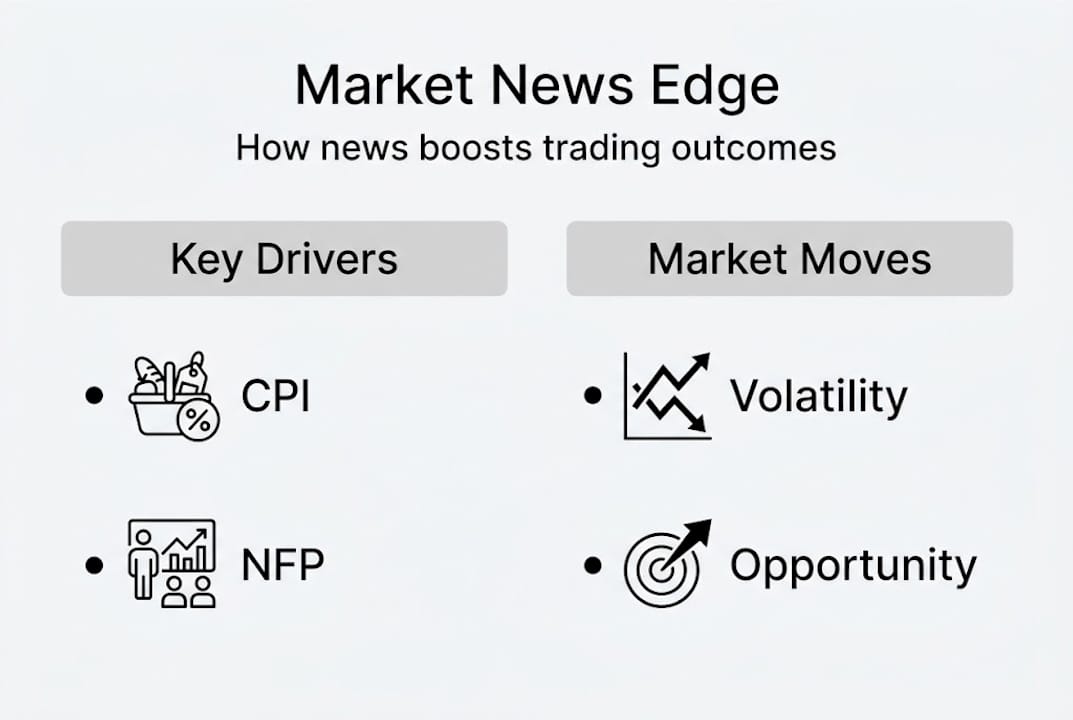
نکتهی کاربردی: اخبار، پنجرههای نوسان ایجاد میکنند. این پنجرهها شامل فرصت و ریسک هستند و دانستن اینکه کدام رویدادها برای ابزارهایی که معامله میکنید بیشترین اهمیت را دارند، مهارت پایهای است که هر معاملهگر جدی به آن نیاز دارد.
چگونه معاملهگران حرفهای و خرد اخبار بازار را تفسیر میکنند
دانستن اینکه اخبار بازارها را تغییر میدهند کافی نیست. نحوه تفسیر و واکنش شما به آن حتی بیشتر اهمیت دارد.
معاملهگران حرفهای فقط تیترها را نمیخوانند، بلکه آنها را دنبال میکنند. جایگاهیابی در بازار قبل از انتشار، سنجیدن تغییر احساسات, و نتایج واقعی را با انتظارات اجماع و اعداد و ارقام زمزمهای (پیشبینیهای غیررسمی و دقیقتری که در محافل نهادی در گردش است) مقایسه کنید. وقتی یک تیتر خبری به طرز شگفتآوری صعودی است، آنها از قبل میپرسند: آیا این قیمتگذاری شده است؟ آیا بازار در موقعیت افول قرار دارد؟
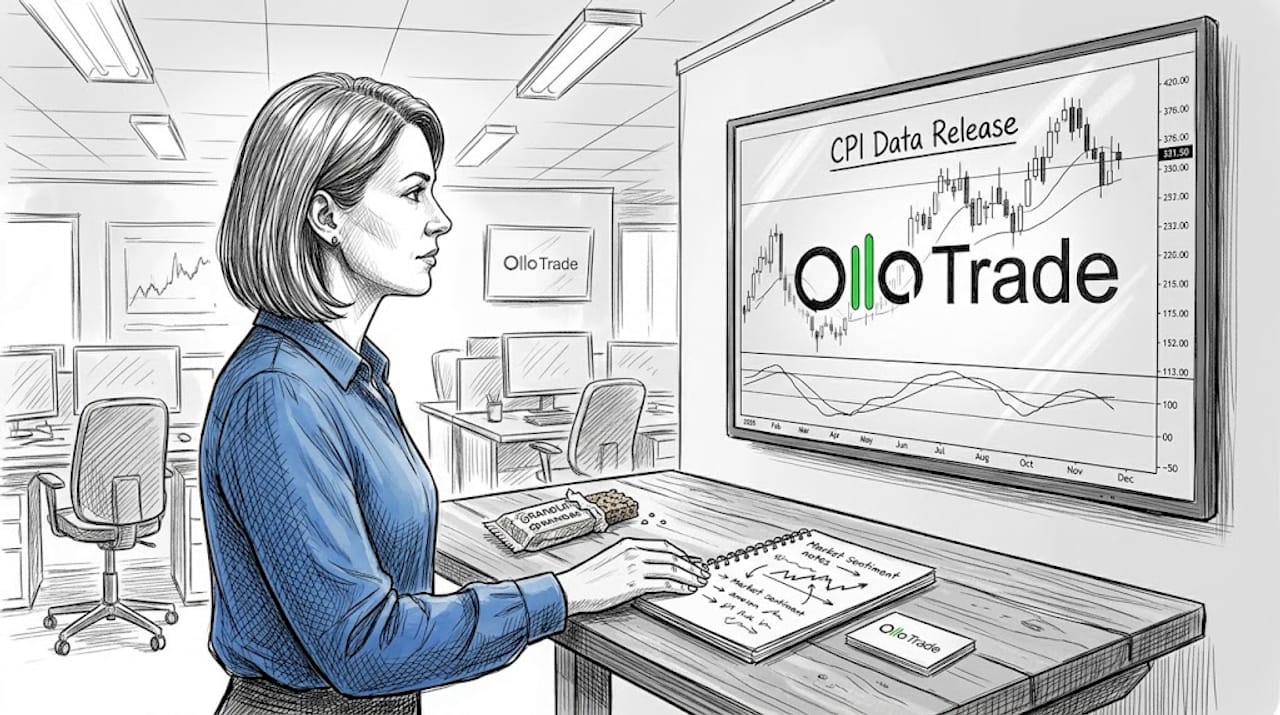
معاملهگران خرد اغلب تیترها را اشتباه تفسیر میکنند, دنبال کردن روایتهای سطحی در حالی که متخصصان از شکاف بین ادراک و واقعیت سوءاستفاده میکنند. این امر تلههای قابل پیشبینی ایجاد میکند. گزارش اشتغال “بهتر از حد انتظار” در واقع میتواند باعث سقوط دلار آمریکا شود، اگر معاملهگران از قبل برای یک عدد حتی قویتر آماده شده باشند.
در اینجا نحوه مقایسه دو گروه آورده شده است:
| رفتار | معاملهگران خردهفروشی | معاملهگران حرفهای |
|---|---|---|
| منبع خبر | تیتر خبرها، شبکههای اجتماعی | سرویسهای خبری، دادههای اولیه |
| سرعت واکنش | عجولانه، فوری | اندازهگیری شده، منتظر تأیید است |
| تمرکز | روایت سطحی | انتظارات در مقابل واقعیتها |
| مدیریت ریسک | اغلب در هیجان نادیده گرفته میشود | قبل از رویداد تنظیم شده است |
| نتیجه مشترک | گرفتار تلهها | حرکت را محو میکند یا منتظر میماند |
“اولین شمع پس از یک انتشار بزرگ متعلق به الگوریتمها و افراد شجاع است. شمع دوم متعلق به افراد صبور است.”
سرمایهگذاران خرد بزرگتر که اخبار را به طور مؤثر در نظر میگیرند، معمولاً عملکرد بهتری نسبت به سرمایهگذاران خرد دارند، با این حال اکثر سرمایهگذاران خرد هنوز هم بر اساس اطلاعات ناقص معامله میکنند. تفاوت در هوش نیست. در فرآیند است.
استفاده از اخبار بازار برای کنترل ریسک به همان اندازه استفاده از آن برای ایجاد فرصت مهم است. بسیاری از معاملهگران باتجربه، حجم معاملات خود را قبل از انتشار اخبار مهم، دقیقاً به این دلیل که عدم قطعیت به اوج خود میرسد و غافلگیریها هر دو طرف را تحت تأثیر قرار میدهند، کاهش میدهند.
نکته حرفهای: با اولین تیتر خبر معامله نکنید. صبر کنید تا اولین نوسان قیمت (معمولاً ۱ تا ۳ دقیقه) فروکش کند، سپس به دنبال تأیید جهت باشید. بهترین معاملات خبری اغلب پس از فروکش کردن واکنشهای آنی و بدون فکر قبلی انجام میشوند.
ایجاد عادت خواندن کامل اخبار اقتصادی به جای تکیه بر خلاصهای کوتاه، یکی از سریعترین راهها برای از بین بردن شکاف بین تفسیرهای خرد و حرفهای است.
استفاده از تقویمهای اقتصادی و استراتژیهای خبری برای مدیریت ریسک
فهمیدن “چرایی” نیمی از راه است. قدم بعدی، ادغام اخبار در جریان کاری واقعی شما از طریق ابزارهای هوشمند و استراتژیهای آزمایششده است.
یک تقویم اقتصادی اساسیترین ابزار برای هر معاملهگر آگاه به اخبار است. این ابزار تمام انتشارهای برنامهریزیشده را به همراه مقادیر مورد انتظار، مقادیر قبلی و رتبهبندی تأثیر بازار (کم، متوسط، زیاد) فهرست میکند. بررسی تقویم اقتصادی روزانه به شما میگوید چه زمانی پنجرههای نوسان باز میشوند و به شما کمک میکند از ورود به معاملاتی که ممکن است با اطلاعیهای که پیشبینی نکردهاید، غافلگیر شوید، خودداری کنید.
استراتژیهای معاملاتی مبتنی بر اخبار عموماً به سه دسته تقسیم میشوند:
- استرادل (پیشخبر): قبل از انتشار یک خبر مهم، سفارشهای خرید و فروش را درست بالا و پایین قیمت فعلی قرار دهید. هر جهتی که بازار بشکند، یک سفارش فعال میشود. این کار جهش را ثبت میکند اما به مدیریت ریسک دقیقی نیاز دارد زیرا لغزش قیمت میتواند شدید باشد.
- شتاب (پس از خبر): منتظر انتشار باشید، حرکت جهتدار را شناسایی کنید و پس از فروکش کردن نوسانات اولیه، در آن جهت وارد شوید. این روش ریسک کمتری دارد اما نیاز به اجرای سریع دارد.
- محو شدن (حرکت متقابل): وقتی یک تیتر باعث واکنش بیش از حد میشود، آن واکنش ناگهانی را به سمت سطوح قبل از خبر کم کنید. این یک استراتژی پیشرفته است که بهترین استفاده از آن زمانی است که شواهد روشنی دارید که این حرکت بیش از حد انجام شده است.
در اینجا یک فرآیند ساده چهار مرحلهای برای اجرای یک استراتژی افزایش بازدید پس از انتشار خبر ارائه شده است:
- رویدادهای مهم را حداقل ۲۴ ساعت قبل در تقویم خود علامت بزنید.
- برای درک بهتر، به پیشبینی اجماع و پیشبینی قبلی توجه کنید.
- پس از انتشار، صبر کنید تا ۶۰ تا ۹۰ ثانیه اولیه نوسان بگذرد.
- در جهت حرکت تایید شده وارد شوید، و حد ضرر را زیر فتیله شمع اسپایک قرار دهید.
معاملهگران خرد که از تقویم برای ترسیم هفته خود استفاده میکنند، میتوانند از رایجترین تلههای تیتر خبرها اجتناب کنند. آمادهسازی تقویم را با استراتژیهای معاملاتی ضروری یک چارچوب منظم به جای یک چارچوب واکنشی میسازد.
نکته حرفهای: فقط در صورتی پس از انتشار اخبار معامله کنید که اختلاف قیمت خرید و فروش به حالت عادی برگشته باشد. بسیاری از کارگزاران در زمان انتشار اخبار، اختلاف قیمت را به طور چشمگیری افزایش میدهند. ورود به بازار در حالی که اختلاف قیمت هنوز بالاست، قبل از شروع معامله، به سود شما لطمه میزند.
خطرات واکنش بیش از حد: فیلتر کردن نویز از اخبار قابل اجرا
با وجود این همه اخبار که هر ثانیه در جریان است، آگاه ماندن بدون غرق شدن در آنها، آخرین و حیاتیترین مهارت است.
اتکای بیش از حد به اخبار منجر به اضافه بار اطلاعاتی و تجارت بیش از حد میشود. راه حل، مصرف کمتر اخبار به طور کلی نیست. بلکه مصرف ... است. درست اخبار و نادیده گرفتن بقیه.
تمایز اصلی بین این دو است سیگنال و سر و صدا:
- سیگنال: انتشار گزارشهای اقتصادی برنامهریزیشده با رتبهبندیهای تأثیرگذاری بالا بر بازار، بیانیههای سیاستی بانک مرکزی، درآمدهای عمده از شرکتهای شاخص-وزنی، رویدادهای ژئوپلیتیکی که مستقیماً بر عرضه یا سیاست پولی تأثیر میگذارند.
- سر و صدا: رسانههای اجتماعی ویروسی، حرکات بازار، تیترهای مالی جنجالی که برای کلیک طراحی شدهاند، تفسیرهای کارشناسان بدون پشتوانه داده، و شایعات روزانه بدون منبع تأیید شده را در نظر میگیرند.
“بازارها میتوانند مدت طولانیتری غیرمنطقی باقی بمانند، بیشتر از زمانی که شما بتوانید در بازار سهام باقی بمانید، به خصوص زمانی که این حرکت غیرمنطقی توسط معاملهگران پرسروصدا که بر اساس اطلاعات بد عمل میکنند، تقویت شود.”
یک مثال عملی: در اوایل سال ۲۰۲۵، تیتری که به طور گسترده منتشر شد ادعا کرد که یک بانک مرکزی بزرگ افزایش نرخ بهره را “به طور نامحدود” متوقف خواهد کرد. معاملهگران خرد به فروش دلار روی آوردند. بیانیه واقعی، وقتی به طور کامل خوانده شد، نشان میداد که مشروط مکثی که به دادههای تورم گره خورده بود. این حرکت ظرف چند ساعت به شدت معکوس شد و تازهواردان را به دام انداخت.
فیلتر کردن زمانی بهترین نتیجه را میدهد که یک چک لیست روزانه کوتاه تهیه کنید:
- کدام رویدادهای تأثیرگذار امروز برنامهریزی شدهاند؟
- آیا هیچکدام مستقیماً بر موقعیتهای باز یا فهرست پیگیری من تأثیر میگذارند؟
- آیا منبع اصلی (دادههای رسمی، بیانیه بانک مرکزی) است یا ثانویه (تحلیل کارشناسان، رسانههای اجتماعی)؟
- آیا این اخبار، تز اصلی معامله من را تغییر میدهد یا فقط باعث ایجاد نویز کوتاهمدت میشود؟
مدیریت اهرم و ریسک در دورههای پر سر و صدای اخبار، به معنای تمایل به کنار ایستادن است. هر جلسهای نیاز به معامله ندارد. محافظت از سرمایه در مواقعی که سیگنالها نامشخص هستند، خود یک استراتژی است. و درمان امنیت معاملات جدی گرفتن این موضوع به معنای محافظت از حساب کاربری شما در برابر تصمیمات آنی و همچنین خطرات فنی است.
یک رویکرد هوشمندانهتر: درسهایی از تالارهای معاملاتی واقعی
بیشتر مقالات مربوط به دنبال کردن اخبار بازار به “آگاه ماندن و استفاده از تقویم” ختم میشوند. این توصیه مفیدی است، اما بخش ناخوشایند را نادیده میگیرد: بیشتر ضررهای ناشی از اخبار از معاملهگرانی ناشی میشود که از اخبار مطلع بودهاند اما همچنان اشتباه عمل کردهاند.
در یک تالار معاملات واقعی، غریزه این نیست که هر انتشار را معامله کنیم. بلکه ارزیابی این است که آیا انتشار، روایت را به اندازه کافی تغییر میدهد تا اقدام را توجیه کند یا خیر. متخصصان اغلب در مورد رویدادهایی که نمیتوانند به طور قابل اعتمادی مدلسازی کنند، دست روی دست میگذارند، به ویژه به این دلیل که عدم قطعیت، برتری را از بین میبرد.
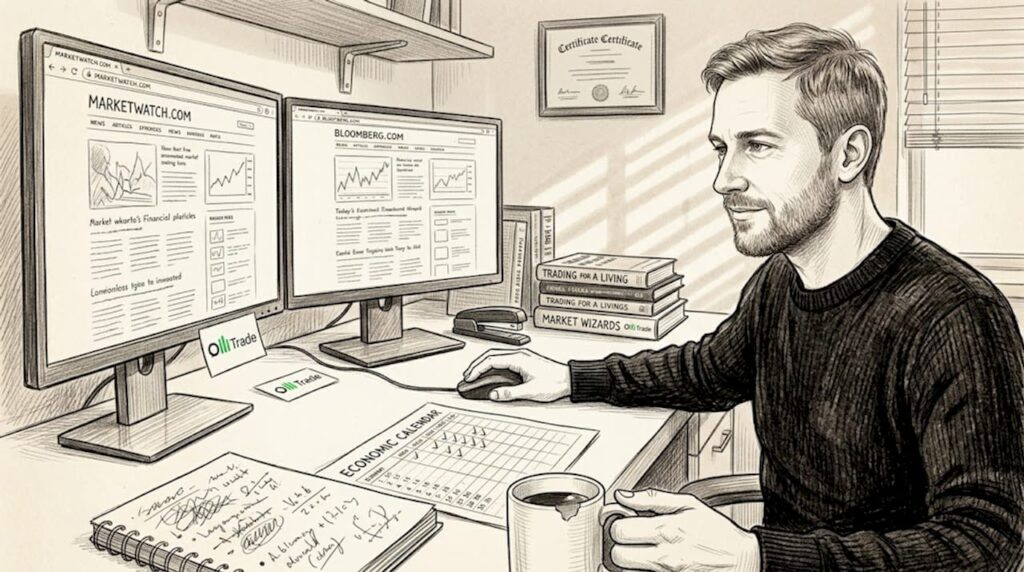
دقیقترین بینشی که از مشاهده رفتار واقعی بازار به دست آوردهایم این است: کیفیت ... آماده سازی قبل از یک رویداد خبری، اهمیت آن از سرعت انتشار آن بیشتر است. واکنش معاملهگرانی که کارهای مقدماتی (تعیین انتظارات، کاهش ریسک، شناسایی سطوح کلیدی) را انجام دادهاند، به ندرت در بدترین تلهها گرفتار میشوند.
نکات هوشمندانهتر فارکس همواره به یک اصل اشاره میکنند: خویشتنداری به معنای انفعال نیست. انتخاب معامله نکردن در یک رویداد به دلیل نامشخص بودن مزیت شما، یک تصمیم هوشمندانه است، نه یک فرصت از دست رفته. معاملهگرانی که عملکرد پایدار ایجاد میکنند، اخبار را به عنوان زمینه در نظر میگیرند، نه به عنوان یک عامل محرک.
آمادهاید تا با ابزارهای مناسب، اخبار را معامله کنید؟
به کارگیری این استراتژیها در عمل، زمانی که پلتفرم شما برای آن ساخته شده باشد، به طور قابل توجهی آسانتر است.
اولا ترید به شما دسترسی مستقیم میدهد معاملات فارکس در جفت ارزهای اصلی، فرعی و عجیب و غریب، در کنار فلزات، شاخصها و ارزهای دیجیتال، همه در یک مکان. تقویم اقتصادی یکپارچه Olla Trade به شما امکان میدهد رویدادهای تأثیرگذار را در زمان واقعی پیگیری کنید، بنابراین هرگز از انتشار یک برنامه زمانی غافلگیر نمیشوید. اگر در حال ساختن پایه و اساس خود هستید، اصول اولیه معاملات فارکس این راهنما یک نقطه شروع قوی است. اجرای سریع، اسپرد کم و ادغام با متاتریدر ۴ به این معنی است که میتوانید در مواقعی که زمان بیشترین اهمیت را دارد، بر اساس تحلیل خود عمل کنید.
سوالات متداول
چرا معاملهگران بر انتشار اخبار اقتصادی مانند NFP و CPI تمرکز میکنند؟
انتشارهای برنامهریزیشده مانند NFP و CPI اغلب باعث نوسانات قابل توجه بازار میشوند و هم ریسک و هم فرصتهای معاملاتی را در فارکس، شاخصها و فلزات ایجاد میکنند. دانستن زمان وقوع آنها و انتظارات بازار، به معاملهگران یک مزیت آمادگی حیاتی میدهد.
چگونه میتوانم از گرفتار شدن در دام تیترهای گمراهکننده جلوگیری کنم؟
همیشه نتیجه واقعی را با انتظارات اجماع مقایسه کنید، نه اینکه فقط تیتر خبر را بخوانید، و تیتر خبرها معاملهگران خردی را که از این مرحله صرف نظر میکنند، به دام میاندازد. از یک تقویم اقتصادی برای اطلاع از اتفاقات آینده استفاده کنید و از ورود به معاملات درست قبل از رویدادهای تأثیرگذار خودداری کنید.
چه ابزارهایی به معاملهگران کمک میکند تا از اخبار مرتبط بازار مطلع باشند؟
فیدهای خبری قابل تنظیم در لحظه ادغام با تقویمهای اقتصادی و هشدارهای بازار، استاندارد حرفهای برای بهروز ماندن بدون غرق شدن در نویز است. ترکیب این موارد با یک چک لیست فیلترینگ منظم، تمرکز شما را فقط بر رویدادهای عملی حفظ میکند.
آیا اخبار زیاد بازار میتواند به نتایج معاملاتی من آسیب برساند؟
بله. اضافه بار اطلاعاتی باعث معاملات بیش از حد میشود که به مرور زمان عملکرد را کاهش میدهد. راه حل این است که رویدادهای سیگنالی مانند درآمد و تصمیمات سیاستی را فیلتر کنید و پوششهای خبری جنجالی که مستقیماً بر موقعیتهای شما تأثیر نمیگذارد را نادیده بگیرید.