





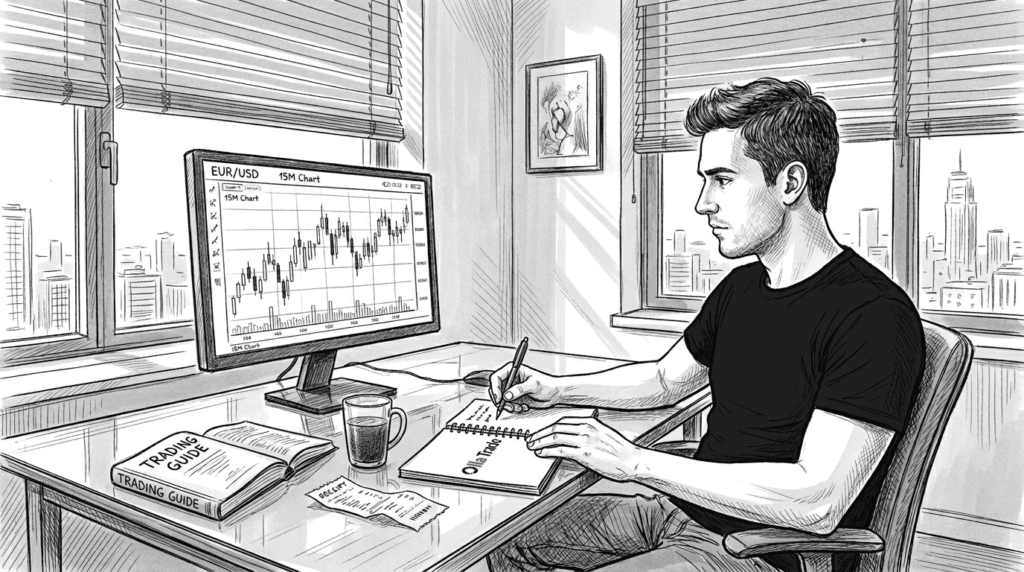
يعتقد العديد من المتداولين أنه لا بد من امتلاك أصل للاستفادة من تحركات أسعاره. هذا غير صحيح في تداول العقود مقابل الفروقات. تتيح لك هذه العقود المضاربة على ارتفاع أو انخفاض الأسواق دون الحاجة إلى امتلاك أسهم أو ذهب أو عملات. يشرح هذا الدليل آلية عمل تداول العقود مقابل الفروقات، وكيف تُضخّم الرافعة المالية مراكزك، وما هي التكاليف التي ستتحملها، ولماذا توفر هذه العقود مرونة فريدة في الأسواق العالمية. سواء كنت تستكشف سوق الفوركس أو المؤشرات أو السلع، فإن فهم هذه الأساسيات يساعدك على التداول بثقة.
جدول المحتويات
- فهم كيفية عمل تداول العقود مقابل الفروقات
- الرافعة المالية والهامش في تداول العقود مقابل الفروقات
- التكاليف والرسوم المتعلقة بتداول العقود مقابل الفروقات
- المرونة والوصول إلى السوق مع عقود الفروقات
- استكشف التداول مع أولا تريد
- الأسئلة الشائعة حول تداول العقود مقابل الفروقات
أهم النقاط
| نقطة | تفاصيل |
|---|---|
| تتبع عقود الفروقات فروق الأسعار | تربح أو تخسر بناءً على الفرق بين سعر الافتتاح وسعر الإغلاق دون امتلاك الأصل الأساسي. |
| تزيد الرافعة المالية من التعرض | يتحكم إيداع هامش صغير في مركز أكبر بكثير، مما يضخم المكاسب والخسائر المحتملة. |
| تشمل تكاليف التداول فروق الأسعار والمبادلات | يتم تضمين فروق الأسعار في كل صفقة، بينما تُطبق رسوم التبييت على المراكز المحتفظ بها طوال الليل. |
| عدم وجود تواريخ انتهاء الصلاحية يوفر المرونة | يمكنك إغلاق المراكز وقتما تشاء، على عكس عقود المشتقات ذات تواريخ انتهاء الصلاحية الثابتة. |
| الوصول إلى أسواق متنوعة بسهولة | تداول العملات الأجنبية والأسهم والسلع والمؤشرات والعملات المشفرة من منصة واحدة. |
فهم كيفية عمل تداول العقود مقابل الفروقات
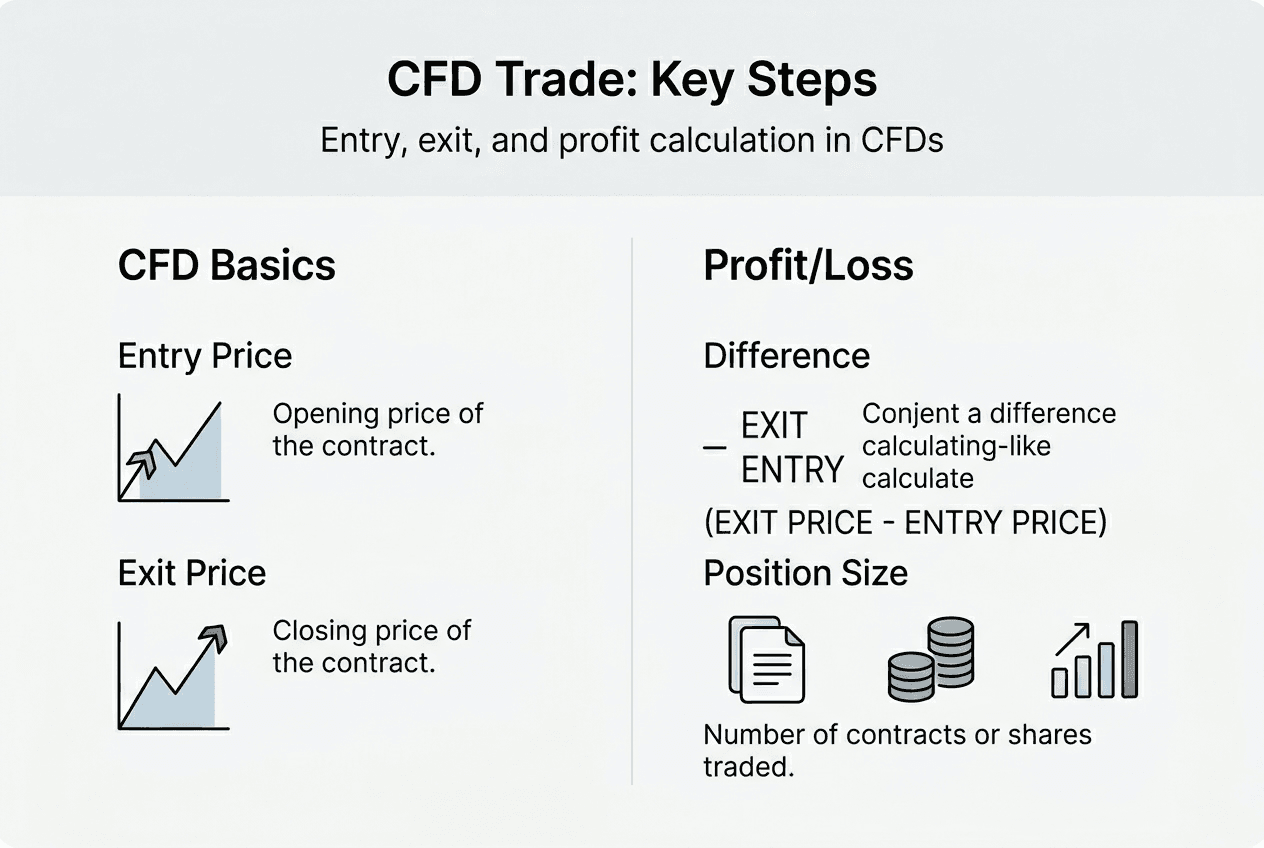
تتيح تداولات العقود مقابل الفروقات المضاربة على تحركات الأسعار دون امتلاك الأصل الأساسي, يُحدد الربح أو الخسارة بالفرق بين سعر الافتتاح وسعر الإغلاق. عند فتح مركز تداول عقود الفروقات، فإنك تدخل في اتفاقية لتبادل الفرق في قيمة الأصل بين وقت دخولك الصفقة ووقت خروجك منها. تتيح لك هذه الآلية المشاركة في تحركات السوق دون تعقيدات ملكية الأصول أو حفظها أو تسليمها فعليًا.
حساب الربح أو الخسارة بسيط. اضرب فرق السعر في حجم مركزك. إذا اشتريت 10 عقود فروقات ذهب بسعر $2000 للأونصة وأغلقت عند $2020، فقد ربحت $20 لكل عقد فروقات. أي ربح قدره $200 على مركزك المكون من 10 عقود. وينطبق الحساب نفسه في الاتجاه المعاكس عندما تتحرك الأسعار ضدك.
الشراء يعني توقع ارتفاع الأسعار، حيث تشتري بسعر منخفض وتسعى للبيع بسعر مرتفع. أما البيع على المكشوف فيعكس هذه الاستراتيجية، إذ تبيع أولاً بسعر أعلى، ثم تعيد الشراء لاحقاً بسعر أقل للاستفادة من انخفاض الأسواق. هذه المرونة في الربح في كلا الاتجاهين تميز عقود الفروقات عن الاستثمار التقليدي، حيث لا تربح عادةً إلا عند ارتفاع الأسعار.
لا تمنح عقود الفروقات حقوق ملكية. لن تحصل على أرباح أسهم من عقود الفروقات على الأسهم، ولن تحصل على حقوق تصويت في الشركات. أنت تتداول فقط بناءً على حركة السعر. هذا يجعل تداول عقود الفروقات يركز على المضاربة بدلاً من استراتيجيات الاستثمار طويلة الأجل المرتبطة بملكية الأصول.
ل فهم عقود تداول الفروقات أدرك تمامًا أن لكل صفقة وجهين: الدخول والخروج. توقيتك في كليهما يحدد النتيجة. تتحرك الأسواق باستمرار، لذا فإن مراقبة صفقاتك وتحديد أهداف ربح واضحة أو أوامر وقف الخسارة يساعد في إدارة المخاطر بفعالية.
نصيحة احترافية: احرص دائمًا على حساب الربح والخسارة المحتملين قبل الدخول في أي صفقة. فمعرفة نسبة المخاطرة إلى العائد تساعدك على اتخاذ قرارات عقلانية بدلًا من القرارات العاطفية.
أهم الآليات التي يجب تذكرها:
- سعر الدخول وسعر الخروج يحددان ربحك أو خسارتك
- حجم المركز يضاعف ربحك أو خسارتك لكل وحدة
- تستفيد المراكز الطويلة من ارتفاع الأسعار
- تستفيد مراكز البيع على المكشوف من انخفاض الأسعار
- عدم وجود ملكية يعني عدم وجود أرباح أو حقوق تصويت
الرافعة المالية والهامش في تداول العقود مقابل الفروقات
تستخدم عقود الفروقات الرافعة المالية، حيث لا تتطلب سوى جزء من القيمة الإجمالية للصفقة كهامش. هذا يعني أنه يمكنك التحكم في صفقة بقيمة $10,000 باستخدام $500 فقط إذا كان وسيطك يقدم رافعة مالية بنسبة 1:20. الهامش هو إيداعك، بينما تحدد الرافعة المالية مقدار انكشاف السوق الذي يتحكم فيه هذا الإيداع. هذا التضخيم هو أقوى ميزة في تداول عقود الفروقات وأكبر مخاطرها.
الرافعة المالية سلاح ذو حدين. فتحرك سعري إيجابي بنسبة 2% على مركز برافعة مالية 1:20 يُحقق عائدًا بنسبة 40TP3T على هامشك. أما التحرك نفسه بنسبة 2% ضدك فيُسبب خسارة بنسبة 40TP3T. الحسابات بسيطة، لكن التداعيات عميقة. فالتقلبات السوقية الطفيفة تُحدث تأثيرات هائلة على رصيد حسابك عند التداول برافعة مالية. الرافعة المالية في التداول.
تختلف متطلبات الهامش باختلاف فئة الأصول والوسيط. عادةً ما توفر أزواج العملات الأجنبية رافعة مالية أعلى من عقود الفروقات على الأسهم. قد يطلب وسيطك هامشًا قدره 5% لأزواج العملات الرئيسية، بينما قد يطلب هامشًا قدره 20TP3T للأسهم الفردية. إن فهم هذه المتطلبات قبل التداول يجنبك المفاجآت ويساعدك على توزيع رأس المال بحكمة بين مختلف الأسواق.
تحدث طلبات تغطية الهامش عندما ينخفض رصيد حسابك عن مستوى هامش الصيانة. إذا أدت الخسائر إلى تآكل هامش الأمان لديك، فسيطلب وسيطك إما أموالاً إضافية أو سيغلق مراكزك تلقائيًا لحماية نفسك من الأرصدة السالبة. غالبًا ما يحدث هذا التصفية القسرية في أسوأ وقت ممكن، مما يُثبّت خسائر كان بإمكانك تحمّلها برأس مال كافٍ.
تُصبح مراقبة المراكز أمراً بالغ الأهمية في التداول بالرافعة المالية. فالأسواق قد تتحرك بسرعة، خاصةً أثناء الأحداث الإخبارية أو افتتاح السوق. ويُساعد وضع أوامر وقف الخسارة على الحد من خسائرك تلقائياً. كما أن التحقق المنتظم من مستوى الهامش يمنع الإغلاقات غير المتوقعة. وتعرض العديد من المنصات نسبة استخدام الهامش، مما يُسهّل عليك معرفة متى تقترب من منطقة الخطر.
نصيحة احترافية: لا تستخدم أبدًا أقصى رافعة مالية متاحة، خاصةً في البداية. التداول برافعة مالية 1:5 أو 1:10 بدلاً من 1:100 يمنحك هامشًا للمناورة عندما تتحرك الأسواق ضدك.
مخاطر مخاطر تداول الأدوات المالية ذات الرافعة المالية يشمل:
- خسائر متفاقمة قد تتجاوز إيداعك الأولي
- نداءات الهامش تجبر على إغلاق المراكز بأسعار غير مواتية
- الضغط النفسي الناتج عن التقلبات السريعة في رصيد الحساب
- الإفراط في التداول بسبب وهم وجود مراكز "رخيصة".
- مخاطر الفجوة السعرية حيث تتجاوز الأسعار مستويات وقف الخسارة الخاصة بك
التكاليف والرسوم المتعلقة بتداول العقود مقابل الفروقات
ينطوي تداول العقود مقابل الفروقات على تكاليف مثل فروق الأسعار ورسوم التبييت، والتي تؤثر بشكل مباشر على ربحيتك. فرق السعر هو الفرق بين سعر البيع (سعر الشراء) وسعر الطلب (سعر البيع). يمثل هذا الفرق الإيرادات الرئيسية لوسيطك في معظم الصفقات. انخفاض فروق الأسعار يعني انخفاض التكاليف، خاصةً للمتداولين النشطين الذين يفتحون ويغلقون مراكزهم عدة مرات يوميًا.
تُفرض رسوم المقايضة، والتي تُسمى أيضًا رسوم التمديد أو رسوم التمويل الليلي، عند الاحتفاظ بمراكز تداول بعد إغلاق السوق. تعكس هذه الرسوم فرق سعر الفائدة بين العملتين في زوج العملات الأجنبية، أو تكلفة تمويل مركزك ذي الرافعة المالية في أسواق أخرى. قد تكون رسوم المقايضة موجبة أو سالبة، وذلك بحسب ما إذا كنت في مركز شراء أو بيع، واتجاه أسعار الفائدة.
تتراكم هذه التكاليف بسرعة إذا لم تكن حذرًا. قد يبدو فرق نقطتين على زوج اليورو/الدولار ضئيلاً، ولكن إذا كنت تتداول 10 عقود قياسية، فهذا يعني $200 لكل عملية ذهاب وإياب. احتفظ بهذا المركز لمدة أسبوع مع خصم تبييت سلبي، وقد تدفع $50 أخرى كرسوم تمويل. فجأةً، سيحتاج تداولك الرابح إلى تحرك كبير لمجرد تغطية التكاليف.
تختلف التكاليف النموذجية باختلاف الأداة المالية والوسيط. إليك ما قد تواجهه:
| أداة | نطاق نموذجي | مقايضة ليلية |
| — | — |
| زوج اليورو/الدولار الأمريكي | 0.6-1.2 نقطة | من -$5 إلى +$3 لكل لوت |
| ذهب | $0.20-0.50 | -$8 إلى -$15 لكل عقد |
| عقود الفروقات لمؤشر ستاندرد آند بورز 500 | 0.4-1.0 نقطة | -$2 إلى -$5 لكل عقد |
| النفط الخام | $0.03-0.08 | -$4 إلى -$10 لكل عقد |
ل مراقبة رسوم التداول باختصار، راقب إجمالي تكاليفك كنسبة مئوية من رأس مال التداول شهريًا. إذا تجاوزت الرسوم 2-31 ضعف قيمة حسابك، فأنت إما تتداول بشكل مفرط أو تختار أدوات مالية باهظة الثمن. يمكن أن يؤدي التحول إلى أزواج عملات ذات فروق أسعار أقل أو تقليل وتيرة التداول إلى تحسين أرباحك النهائية بشكل ملحوظ.
فهم شرح رسوم حسابات الوساطة يساعدك هذا على مقارنة شركات الوساطة بدقة. بعضها يُعلن عن عمولات صفرية، لكنه يُوسّع فروق الأسعار لتعويض ذلك. بينما يفرض البعض الآخر عمولات صريحة، لكنه يُقدّم فروق أسعار أضيق. احسب التكلفة الإجمالية لكل صفقة، وليس فقط المبلغ المعلن.
نصيحة احترافية: تداول خلال ساعات ذروة السيولة عندما تتقلص فروق الأسعار بشكل طبيعي. بالنسبة لسوق العملات الأجنبية، يعني هذا التداخل بين ساعات التداول في لندن ونيويورك. أما بالنسبة للأسهم، فيعني الساعتين الأولى والأخيرة من جلسة التداول.
طرق لتقليل تكاليف التداول:
- اختر أدوات سائلة ذات نطاقات ضيقة بشكل طبيعي
- تجنب الاحتفاظ بالمراكز طوال الليل إلا إذا كانت استراتيجيتك تتطلب ذلك.
- قارن التكاليف الإجمالية بين شركات الوساطة، وليس فقط فروق الأسعار أو العمولات.
- قلل من وتيرة التداول لخفض تكاليف فروق الأسعار التراكمية
- استخدم أوامر الحد بدلاً من أوامر السوق كلما أمكن ذلك
المرونة والوصول إلى السوق مع عقود الفروقات
توفر عقود الفروقات مرونةً كبيرةً لعدم وجود تاريخ انتهاء صلاحية، مما يسمح بإغلاق المراكز في أي وقت. على عكس عقود المشتقات الآجلة التي تنتهي صلاحيتها شهريًا أو ربع سنويًا، مما يجبرك على تجديد المراكز أو إغلاقها، تظل عقود الفروقات مفتوحة حتى تقرر الخروج منها. يمنحك هذا تحكمًا كاملًا في توقيتك دون القلق بشأن تجديد العقود أو التصفية القسرية بسبب انتهاء الصلاحية.
تتيح عقود الفروقات الوصول إلى مجموعة واسعة من الأسواق من خلال حساب تداول واحد. يمكنك تداول أزواج العملات الرئيسية والثانوية، ومؤشرات الأسهم العالمية، وأسهم الشركات الفردية، والمعادن الثمينة كالذهب والفضة، وسلع الطاقة بما فيها النفط الخام والغاز الطبيعي، وحتى العملات الرقمية. يُمكّنك هذا التنوع من تنويع استراتيجياتك والاستفادة من الفرص المتاحة في مختلف فئات الأصول دون الحاجة إلى فتح حسابات متخصصة متعددة.
يُصبح البيع على المكشوف في غاية السهولة مع عقود الفروقات. ففي أسواق الأسهم التقليدية، يتطلب البيع على المكشوف اقتراض الأسهم، ودفع رسوم الاقتراض، والتعامل مع مشاكل التوافر. أما عقود الفروقات فتُزيل هذه التعقيدات. ما عليك سوى النقر على "بيع" بدلاً من "شراء"، وبذلك تكون قد بدأت البيع على المكشوف. العملية متطابقة سواء كنت ترغب في الشراء أو البيع على المكشوف، مما يُسهّل عليك الربح من الأسواق الهابطة أو التحوّط من المراكز القائمة.
إن مقارنة مرونة ديناميكا الموائع الحسابية بالأدوات التقليدية تسلط الضوء على المزايا التالية:
| ميزة | عقود الفروقات | العقود الآجلة | خيارات الأسهم |
| — | — | — |
| تاريخ الانتهاء | لا يوجد | شهري/ربع سنوي | أسبوعي/شهري |
| البيع على المكشوف | فوري | فوري | استراتيجيات معقدة مطلوبة |
| الحد الأدنى لحجم المركز | أحجام تداول صغيرة متاحة | عقود موحدة | 100 سهم لكل عقد |
| الوصول إلى السوق | الأسواق العالمية | خاص بالبورصة | يقتصر على الأسهم القابلة للتداول بالخيارات |
| تكاليف التجديد | رسوم المقايضة اليومية | الفرق بين العقود | تآكل القيمة الزمنية |
تُفيد هذه المرونة كلاً من المتداولين الأفراد والمحترفين. يُقدّر المبتدئون إمكانية البدء بصفقات صغيرة الحجم والتوسع تدريجياً. أما المتداولون ذوو الخبرة فيُثمّنون سهولة الوصول إلى الأسواق العالمية والقدرة على تطبيق استراتيجيات معقدة تشمل فئات أصول متعددة في آن واحد.
ال مقارنة بين الفوركس وعقود الفروقات يُظهر هذا أن تداول العملات الأجنبية يركز حصراً على أزواج العملات، بينما يشمل تداول العقود مقابل الفروقات العملات الأجنبية بالإضافة إلى آلاف الأدوات الأخرى. أنت لست مقيداً بساعات أو خصائص سوق واحد. عندما ينخفض تقلب سوق العملات الأجنبية، يمكنك التحول إلى المؤشرات أو السلع حيث قد تكون الفرص أفضل.
تداول الأسهم وعقود الفروقات يُسهّل استخدام نفس المنصة سير عملك. لن تحتاج إلى حسابات منفصلة، أو برامج مختلفة، أو طرق تمويل متعددة. كل شيء يعمل من خلال واجهة واحدة مع أنواع طلبات متسقة، وأدوات رسم بياني، وميزات لإدارة المخاطر.
نصيحة احترافية: استغلّ إمكانية الوصول إلى أسواق متعددة في عقود الفروقات لمتابعة جلسات التداول العالمية. فعندما تغلق الأسواق الآسيوية، تفتح الأسواق الأوروبية. وعندما تغلق الأسواق الأوروبية، تكون الأسواق الأمريكية في أوج نشاطها. تضمن هذه الدورة الاستثمارية المستمرة على مدار 24 ساعة استمرار نمو رأس مالك.
مزايا المرونة الرئيسية:
- أغلق مراكزك وقتما تشاء دون ضغط انتهاء الصلاحية
- التبديل بين فئات الأصول بناءً على أماكن ظهور الفرص
- البيع على المكشوف سهل مثل الشراء
- تداول في الأسواق العالمية من حساب واحد
- قم بتغيير أحجام المواقع بدقة لتتناسب مع مدى تحملك للمخاطر.
استكشف عالم التداول مع أولا تريد
بعد أن فهمت أساسيات تداول العقود مقابل الفروقات، تأتي الخطوة التالية وهي تطبيق هذه المعرفة عمليًا. تقدم Olla Trade منصة شاملة مصممة خصيصًا للمبتدئين الذين يتعلمون تداول العقود مقابل الفروقات، وللمتداولين ذوي الخبرة الذين ينفذون استراتيجيات متقدمة. تتيح المنصة الوصول إلى العملات الأجنبية والمعادن والمؤشرات والأسهم والطاقة والعملات الرقمية بفروقات أسعار تنافسية وسرعات تنفيذ فائقة.
ال الميزات الرئيسية لمنصات التداول تتضمن منصة Olla Trade تكاملاً مع MetaTrader 4، وأدوات رسوم بيانية متقدمة، ومستشارين خبراء يساعدونك على تحليل الأسواق وأتمتة الاستراتيجيات. كما تتيح لك إمكانية التوافق مع أجهزة متعددة مراقبة مراكزك وتنفيذ الصفقات من جهاز الكمبيوتر المكتبي أو الجهاز اللوحي أو الهاتف المحمول. ويمكن للمتداولين الجدد الاستفادة من ذلك. عرض مكافأة الترحيب والتي توفر رأس مال إضافي لاستكشاف أسواق مختلفة وتحسين نهجها مع تقليل المخاطر.
الأسئلة الشائعة حول تداول العقود مقابل الفروقات
ما هي المخاطر الرئيسية لتداول العقود مقابل الفروقات؟
تشمل المخاطر الرئيسية تضخيم الخسائر الناتجة عن الرافعة المالية، والتي تتجاوز الإيداع الأولي، وتقلبات الأسعار السريعة التي تؤدي إلى طلبات تغطية الهامش، ورسوم مقايضة الليل التي تُقلل الأرباح في المراكز طويلة الأجل. كما يمكن أن يتسبب تقلب السوق في فجوات تتجاوز أوامر وقف الخسارة. وتساعد الإدارة السليمة للمخاطر، وتحديد حجم المراكز، والتعلم المستمر على التخفيف من هذه المخاطر.
كيف تختلف عقود الفروقات عن امتلاك الأسهم أو السلع الفعلية؟
تتبع عقود الفروقات تحركات الأسعار دون نقل الملكية. لا تحصل على أرباح أسهم، أو حقوق تصويت، أو تسليم فعلي للسلع. أنت ببساطة تتكهن باتجاه السعر. هذا يلغي تكاليف الحفظ وتعقيدات الملكية، ولكنه يعني أيضاً أنك تشارك فقط في تحركات الأسعار، وليس في زيادة القيمة على المدى الطويل من خلال أرباح الأسهم أو الفوائد.
هل يمكن للمبتدئين بدء تداول العقود مقابل الفروقات بأمان؟
يمكن للمبتدئين تداول عقود الفروقات بأمان من خلال البدء بحسابات تجريبية، واستخدام رافعة مالية منخفضة، وتداول مراكز صغيرة، والتركيز على الأسواق ذات السيولة العالية وفروق الأسعار الضيقة. التعليم أساسي. الفهم كيف تعمل عقود الموائع الحسابية تجنب المخاطرة بأموال حقيقية لتجنب الأخطاء المكلفة. وقد أمضى العديد من المتداولين الناجحين شهورًا في التدريب قبل البدء بالتداول الفعلي.
ماذا يعني البيع على المكشوف في تداول العقود مقابل الفروقات؟
البيع على المكشوف يعني فتح مركز بيع أولاً، والربح عند انخفاض الأسعار. تبيع بسعر أعلى وتشتري مرة أخرى بسعر أقل، وتحتفظ بالفرق. تجعل عقود الفروقات هذه العملية مماثلة تماماً للشراء، دون الحاجة إلى اقتراض الأسهم. تتيح لك هذه المرونة الربح بالتساوي في الأسواق الصاعدة والهابطة.
ما هو رأس المال الذي أحتاجه لبدء تداول العقود مقابل الفروقات؟
تختلف الحد الأدنى للإيداعات باختلاف الوسيط، ويتراوح عادةً بين $100 و$500. مع ذلك، فإن البدء بمبلغ يتراوح بين $1000 و$2000 يوفر مرونة أفضل في إدارة المخاطر. فالحسابات الصغيرة تجبرك على استخدام رافعة مالية مفرطة أو التداول بوتيرة غير كافية للتعلم بفعالية. أما رأس المال الكافي فيتيح لك تحديد حجم المراكز بشكل مناسب ومواجهة تقلبات السوق الطبيعية.
هل تخضع أرباح تداول العقود مقابل الفروقات لضرائب مختلفة عن أرباح الأسهم؟
تختلف المعاملة الضريبية باختلاف الأنظمة القضائية. في العديد من الدول، تُفرض ضريبة على أرباح عقود الفروقات كدخل عادي وليس كأرباح رأسمالية، مما قد يؤدي إلى ارتفاع معدلات الضرائب. في بعض المناطق، يُعامل تداول عقود الفروقات كنشاط مضاربة، ما يستلزم متطلبات إبلاغ مختلفة. لذا، يُنصح باستشارة متخصص ضرائب مُلمّ بلوائح التداول في منطقتك لضمان الامتثال.