











Many traders searching for a secure online trading solution stumble across “Secure Trading” and assume it’s a regulated broker or financial platform. It isn’t. Secure Trading is a payment gateway, and confusing it with an actual trading platform can cost you time, money, and peace of mind. Security in trading means far more than a brand name. It spans regulatory oversight, encryption, fraud prevention, and personal habits that protect your capital. This guide breaks down exactly what Secure Trading is, what a genuinely secure trading platform looks like, and how to choose the right solution for your specific needs.
Table of Contents
- Understanding the difference: Secure Trading vs. secure online trading platforms
- What makes a trading environment truly secure?
- Key features and benefits of Secure Trading as a payment gateway
- How to choose a secure trading platform or payment provider
- The uncomfortable truth: Security is your responsibility too
- Trade securely with advanced tools on Olla Trade
- Frequently asked questions
Key Takeaways
| Point | Details |
|---|---|
| Differentiate providers | Understand that Secure Trading is a payment gateway, not a platform for direct market trading. |
| Critical security features | Seek out regulation, encryption, and multi-factor authentication in trading environments. |
| Fit for high-risk businesses | Secure Trading’s advanced fraud tools make it ideal for payment processing in risk-sensitive sectors. |
| Your own security role | Adopt strong personal security practices to complement technical protections. |
| Choose based on needs | Select platforms and gateways that suit your security, compliance, and integration requirements, not just branding. |
Understanding the difference: Secure Trading vs. secure online trading platforms
The confusion is understandable. The name sounds authoritative. But Secure Trading is a UK-based payment gateway established in 1997, now part of the UPAY and TRUST Payments group. It processes card payments for merchants. It does not offer access to forex, CFDs, stocks, or any other financial instrument.
A trading platform, by contrast, is software that connects retail and professional traders to financial markets. It provides order execution, charting tools, market data, and account management. No evidence exists of Secure Trading operating as a broker or trading platform for financial market participants.
This distinction matters enormously. When you trade forex or CFDs, you need a platform regulated by an authority like the FCA, ASIC, or CySEC. Regulation means your funds are segregated, your broker meets capital requirements, and you have legal recourse if something goes wrong. A payment gateway, no matter how secure, provides none of that.
Here’s a quick breakdown of the two roles:
Payment processors vs. trading platforms
- Payment processors (like Secure Trading): Handle card transactions, fraud screening, and merchant settlements
- Trading platforms: Provide market access, order execution, charting, and regulatory protections
- Overlap: Both require strong security frameworks, but serve entirely different functions
- Risk: Choosing a payment gateway thinking it’s a broker leaves you with zero trading infrastructure
| Feature | Payment gateway | Trading platform |
|---|---|---|
| Market access | No | Yes |
| FCA/ASIC regulation | No | Required |
| Order execution | No | Yes |
| Fraud prevention | Yes | Yes |
| Fund segregation | No | Yes (regulated) |
“The name ‘Secure Trading’ refers to a payment services company, not a financial trading environment. Traders seeking market access need a regulated broker, not a payment processor.”
Explore our trading platforms guide for a full breakdown of what real trading platforms offer, and review the key features of trading platforms to know exactly what to look for.
What makes a trading environment truly secure?
Security in trading is not a single feature. It’s a layered system where each component reinforces the others. Whether you’re evaluating a payment gateway or a trading platform, the same core principles apply.
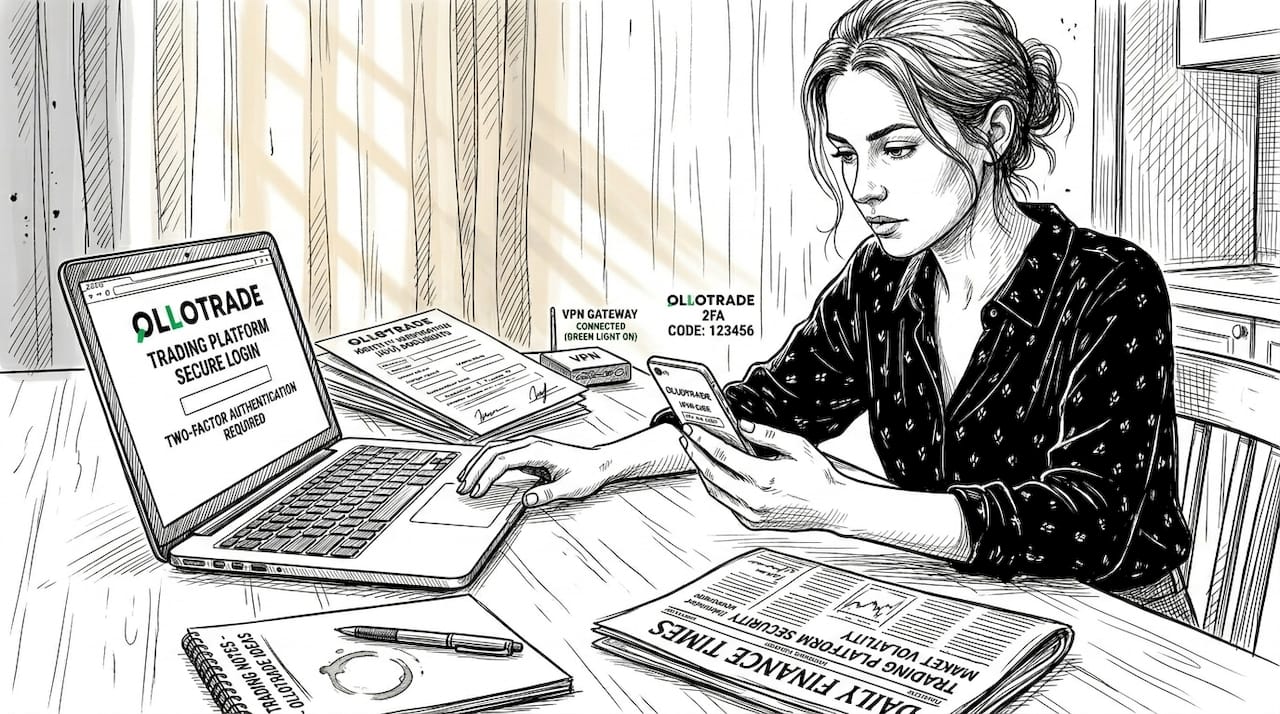
Key security features that define trustworthy platforms include PCI DSS compliance, two-factor authentication (2FA), real-time fraud detection, end-to-end encryption, and device fingerprinting. Each one closes a different vulnerability.
Core security layers every trader should verify:
- PCI DSS compliance: Ensures payment data is handled to international card security standards
- Two-factor authentication (2FA): Adds a second identity check beyond your password
- Encryption (TLS/SSL): Scrambles data in transit so it can’t be intercepted
- Device fingerprinting: Flags logins from unrecognized devices before they succeed
- Real-time fraud detection: Monitors transactions for suspicious patterns as they happen
- KYC/AML procedures: Verify trader identity and prevent financial crime
The impact of these measures is significant. Platforms that implement strong security frameworks see 64.2% higher investor participation compared to those with weak or unclear security practices. Traders trust secure environments and commit more capital to them.
Reviewing a platform’s KYC/AML policies tells you a lot about how seriously it takes compliance. Similarly, reading trading risk disclosures reveals whether a platform is transparent about the real risks involved.
Pro Tip: Even on a fully secured platform, run updated antivirus software and use a reputable VPN on public networks. The platform secures its end. You need to secure yours.
Key features and benefits of Secure Trading as a payment gateway
Now that we’ve separated the two concepts, let’s give Secure Trading its due. As a payment gateway, it’s genuinely strong, particularly for businesses operating in high-risk or regulated industries.
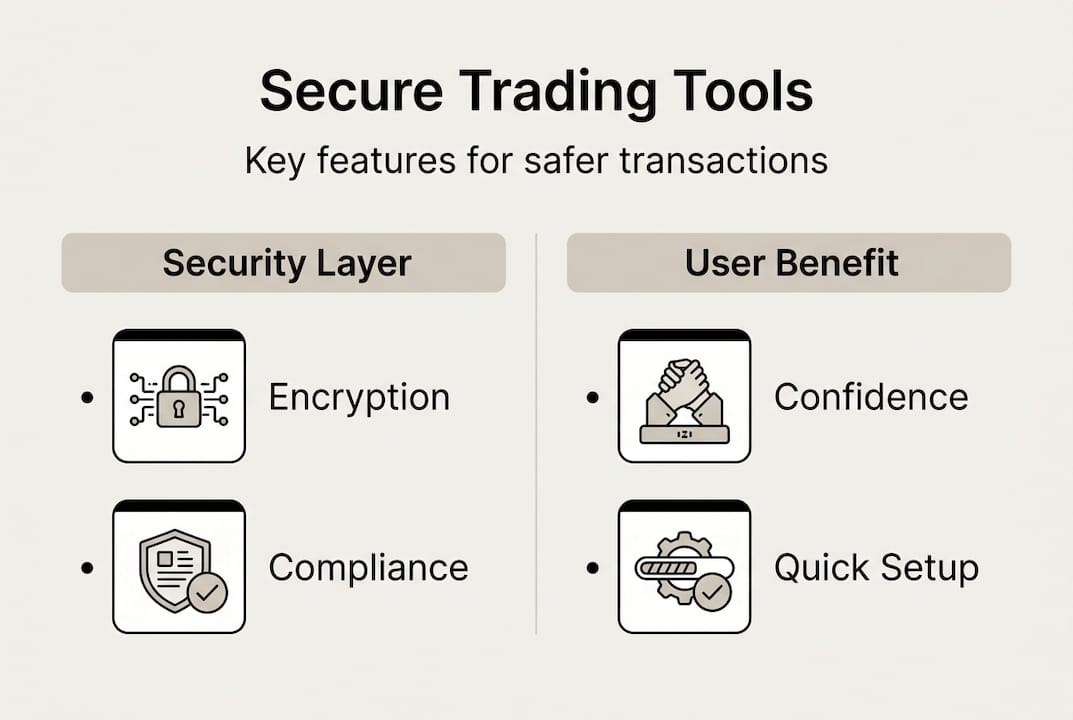
Secure Trading offers robust fraud prevention through custom rulesets, PCI DSS compliance, multi-currency support, and deep technical customizability. These aren’t standard features. Most entry-level gateways offer basic fraud filters. Secure Trading lets merchants configure their own fraud logic.
Key strengths of Secure Trading as a payment gateway:
- 3D Secure 2 (3DS2): Adds an authentication layer for card-not-present transactions
- Custom fraud rulesets: Merchants can define their own risk thresholds
- Device fingerprinting: Identifies suspicious devices before a transaction completes
- Multi-acquirer routing: Flexibility to route payments through different acquiring banks
- Multi-currency processing: Supports global transactions across multiple currencies
- PCI DSS Level 1 compliance: The highest standard for payment data security
Ideal for regulated sectors including gaming, financial services, travel, and ecommerce, Secure Trading’s toolset is designed for environments where fraud risk is elevated and compliance requirements are strict.
“For high-risk merchants, the ability to write custom fraud rules is a game-changer. Generic fraud filters miss the nuanced patterns that specific industries face.”
There are limitations worth noting. Secure Trading is built for online and card-not-present transactions. It’s not suited for in-person point-of-sale environments. Setup also requires technical integration, so businesses without developer resources may find onboarding complex.
Pro Tip: If you operate in a high-risk vertical, invest time in configuring Secure Trading’s custom rulesets from day one. Default settings are a starting point, not a finished solution. Tailored rules can cut fraud losses significantly within the first few months.
How to choose a secure trading platform or payment provider
Whether you’re a trader looking for a regulated platform or a business evaluating payment gateways, the selection process follows a clear logic. Don’t let branding or names do the work. Evaluate on substance.
Step-by-step process for choosing a secure trading platform:
- Define your actual need: Are you trading financial markets or processing payments? These require entirely different solutions.
- Verify regulation: For trading platforms, check FCA, ASIC, or CySEC registration directly on the regulator’s website.
- Inspect security architecture: Look for 2FA, encryption, segregated funds, and negative balance protection.
- Evaluate tools and execution: Platform choice should rest on fees, execution speed, and regulation, not just branding.
- Review costs transparently: Spreads, commissions, withdrawal fees, and inactivity charges all affect your bottom line.
- Test customer support: Responsive support during market hours is a non-negotiable for active traders.
Payment safety checklist:
- PCI DSS compliance confirmed
- 3D Secure authentication enabled
- Fraud detection tools active
- Clear dispute resolution process
Trading safety checklist:
- Regulation, segregated funds, and negative balance protection verified
- Transparent fee structure published
- Two-factor authentication available
- Execution speed and slippage data available
Review the features to look for in a platform before committing to any broker. And if you’re deciding between account types, understanding the types of trading accounts will help you match the right structure to your trading style.
The uncomfortable truth: Security is your responsibility too
Here’s what most security guides won’t tell you directly: even the most technically advanced platform cannot fully protect a trader who ignores basic personal security hygiene.
We’ve seen traders on fully regulated, encrypted platforms lose account access because they reused passwords across sites. We’ve seen accounts compromised through phishing emails that had nothing to do with the broker’s infrastructure. The platform did everything right. The user didn’t.
Multi-layered security must include end-user practices, not just technical features. That means unique, strong passwords for every financial account. It means enabling 2FA even when it feels inconvenient. It means never logging into your trading account on public Wi-Fi without a VPN.
The uncomfortable reality is that most security breaches in retail trading come from the user side, not the platform side. Phishing, credential stuffing, and social engineering target traders specifically because the financial payoff is immediate.
Take time to review how you’ve set up your optimizing trading workspaces and personal device security. Your platform’s security is only as strong as the weakest link in your own setup. That link is almost always behavioral, not technical.
Trade securely with advanced tools on Olla Trade
If this breakdown has clarified what secure trading actually requires, the next step is finding a platform that delivers it in practice.
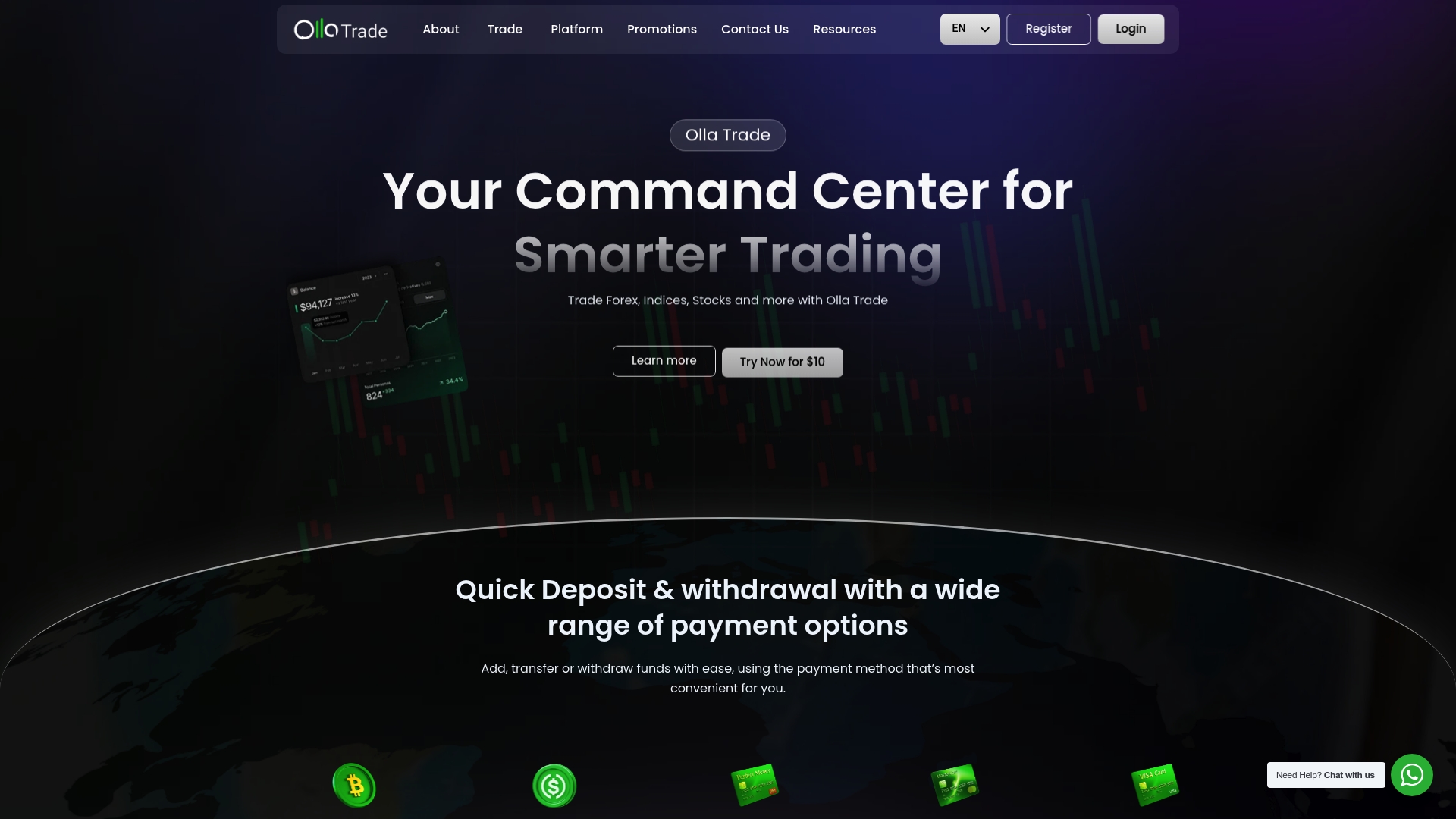
Olla Trade provides a regulated trading environment for forex, CFDs, and a wide range of financial instruments including metals, indices, stocks, energies, and cryptocurrencies. The platform integrates MetaTrader 4, offers tight spreads, fast execution, and multiple layers of account security including KYC verification and encrypted transactions. Whether you’re a retail trader just getting started or a professional looking for advanced tools, Olla Trade is built to support confident, informed trading. Explore trading platforms and see how the right infrastructure changes your trading experience.
Frequently asked questions
Is Secure Trading a trading platform or payment gateway?
Secure Trading is a UK-based payment gateway and merchant services provider established in 1997, now part of the TRUST Payments group. It is not a trading platform or broker.
What features should I look for in a secure trading platform?
Prioritize FCA regulation, encryption, two-factor authentication, fast execution, and segregated funds. Security features like 2FA and encryption are key reasons to choose one platform over another.
Are payment gateways like Secure Trading useful for high-risk industries?
Yes. Secure Trading specializes in secure payment processing for high-risk sectors including gaming, finance, and ecommerce, with advanced fraud management tools.
Can I trade financial markets directly via Secure Trading?
No evidence exists of Secure Trading offering financial market trading. For market access, use a regulated online broker with proper licensing and oversight.
Why is user behavior a factor in trading security?
User actions like password strength and device hygiene are critical parts of overall security. Multi-layered security must include end-user practices, not just technical features from the provider’s side.