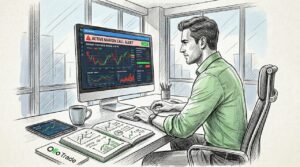









心理学がトレードの成功の最大90%を左右することをご存知ですか?多くのトレーダーは、チャートと指標をマスターすれば十分だと考えていますが、それは間違いです。感情のコントロール、ストレス下での意思決定、そして認知バイアスこそが、どんなテクニカル戦略よりもはるかに重要です。このガイドでは、トレード心理学の本質、それがなぜ結果を左右するのか、そして変動の激しいFX市場と仮想通貨市場でどのように活用すれば成績を向上させることができるのかを明らかにします。.
目次
重要なポイント
| ポイント | 詳細 |
| 心理学が成功を導く | 最大 90% の取引の成功は、戦略だけでなく心理的要因によって決まります。. |
| 感情は損失を引き起こす | 恐怖と貪欲は、衝動的な決断を通じて 68% の取引損失を直接引き起こします。. |
| サイクルマップの感情 | トレーダーの心理サイクルは、感情の段階を認識し、間違いを防ぐのに役立ちます。. |
| 規律はリスクを軽減する | マインドフルネスと事前定義されたルールにより、ドローダウンが 25% 削減され、一貫性が向上します。. |
| ボラティリティは心理を増幅させる | 外国為替と暗号通貨のボラティリティは感情的な反応を強めるため、心理的なコントロールが不可欠になります。. |
トレーディング心理学を理解する:定義と重要性
トレーディング心理学は、資産の売買における意思決定に、感情や認知プロセスがどのように影響するかを研究します。トレーダーが確固たる戦略を持っているにもかかわらず、なぜ非合理的な行動をとるのかを解明します。市場が大きく変動すると、脳は論理よりも恐怖や興奮に支配されてしまいます。これが心理学の働きなのです。.
調査によると、トレードの成功の最大90%は、純粋な戦略や市場知識ではなく、心理的要因によるものであることが確認されています。テクニカル分析では、 何 トレードする。トレード心理学はあなたに教えてくれる どうやって 自己破壊することなく取引を執行すること。多くのトレーダーは、この違いを無視し、チャートパターンのみに焦点を合わせ、感情に振り回されて取引を失敗に導く。.
トレーディング心理学は、テクニカル分析やファンダメンタル分析とは根本的に異なります。テクニカル分析は価格の動きを読み取り、ファンダメンタル分析は資産価値を評価します。心理は、恐怖が「売り」を叫んだり、貪欲が「倍増」をささやいたりしたときに、実際に計画を実行するかどうかを左右します。心理的な規律がなければ、 最高の取引ソフトウェア あなたを救わない。.
トレーディング心理学の主要な要素は次のとおりです。
-
感情のコントロール:恐怖、貪欲、欲求不満をコントロールする
-
認知バイアス:判断を歪める精神的な近道を認識する
-
規律:感情が高ぶってもルールを守る
-
リスク管理:体系的な管理を通じて資本を保護する
これらの要素を習得すると、取引は反応的なギャンブルから戦略的な実行へと変化します。.
感情が取引の意思決定に与える影響
恐怖と貪欲は、脳の緊急停止ボタンです。これらは、利益を生む取引を助けるためではなく、生き残るために進化しました。恐怖は、勝ちトレードを早期に終了させたり、損切りすべき時に取引を止めさせたりします。貪欲は、過剰取引、リスク制限の無視、そして戦略を超えた利益の追求へと駆り立てます。.
データによると、取引損失の68%は、恐怖や貪欲といった感情的な衝動に起因しています。これらの感情は、市場の不確実性の中で合理的な意思決定を阻害します。1取引あたり2%のリスクを負う予定だったのに、2回損失を出してしまうと、恐怖心が次の取引を諦めさせてしまうのです。あるいは、貪欲に誘惑され、「確実なもの」に10%のリスクを負ってしまうこともあります。“

重要なステータス: 感情的な衝動は不安定な市場で 68% の損失を引き起こします。.
過信と確証バイアスは、次のような高ボラティリティ環境では問題を増幅させる。 外国為替 そして、仮想通貨取引。連勝した後は、自信過剰から根拠もなくポジションサイズを増やしてしまいます。確証バイアスは、市場が自分の思い通りに動くと既に決めつけているため、警告シグナルを見逃してしまいます。仮想通貨の24時間365日のボラティリティとFXのレバレッジは、こうした感情的な罠をさらに悪化させます。.
よくある感情的な間違いには次のようなものがあります:
-
通常の下落局面におけるパニック売り
-
損失後に「取り戻す」ためのリベンジ取引
-
戦略なしでポンプを追いかける
-
計画的な損失を避けるためにストップロスを移動する
-
反転を期待して負けポジションを増やす
市場のボラティリティは感情を増幅させる要因となります。5%の動きは株式市場ではほとんど影響しませんが、レバレッジをかけたFXポジションではパニックを引き起こします。仮想通貨の激しい変動は、数時間で口座の不安を倍増させる可能性があります。感情はボラティリティの激しさに反応するものであり、客観的なリスク評価には反応しません。.
よくある心理的障壁と誤解
多くのトレーダーは、テクニカルスキルが成功を保証すると信じています。彼らは何ヶ月もインジケーターを研究し、それを習得すれば利益が得られると期待しています。しかし、現実はすぐにこの神話を打ち砕きます。テクニカル知識は必要ですが、それだけでは不十分です。感情をコントロールできなければ、完璧なセットアップでさえ台無しにしてしまうのです。.
過剰取引は、最も危険な心理的罠の一つです。退屈、焦り、あるいは損失を取り戻そうと必死になることから生じます。取引量を増やしても、利益が増えるわけではありません。コストが増加し、集中力が散漫になり、意思決定能力が消耗します。過剰取引をする人の多くは、取引量を半分に減らした方が利益が増えるでしょう。.
認知バイアスは合理的な分析を阻害します。損失回避は、損失を出している銘柄を長期保有させ、回復を期待する一方で、利益を「確定」させるために、利益を早期に売却します。アンカリングバイアスは、エントリー価格や過去の高値に固執し、客観的な再評価を妨げます。近時性バイアスは、直近の勝ち負けを過大評価し、確率推定を歪めます。.
トレードから感情を排除できるという危険な誤解がありますが、それは不可能です。感情は生来備わっている生存メカニズムです。目標は感情を排除することではなく、感情を管理することです。成功するトレーダーは恐怖や貪欲を感じながらも、これらの感情に行動を支配させません。.
心理的障壁のトップ3:
-
感情的衝動のコントロール戦略ではなく恐怖や貪欲に基づいて行動する
-
過剰取引症候群機会ではなく心理的な必要性によって駆動される過剰な取引
-
損失の誤帰属心理的なミスを検証する代わりに、市場や運を責める
これらの障壁を認識することが、 取引の基本を理解する より深い心理的レベルで。.
トレーディングマインドセットを育成するためのフレームワークとモデル
トレーダーの心理サイクルは、市場変動時にトレーダーが経験する感情の段階を描き出しています。このサイクルは、陶酔感、希望、不安、恐怖、そして投げ売りへと進んでいきます。このサイクルのどこに自分が位置しているかを理解することで、論理ではなく感情が意思決定を左右する場面を認識するのに役立ちます。.
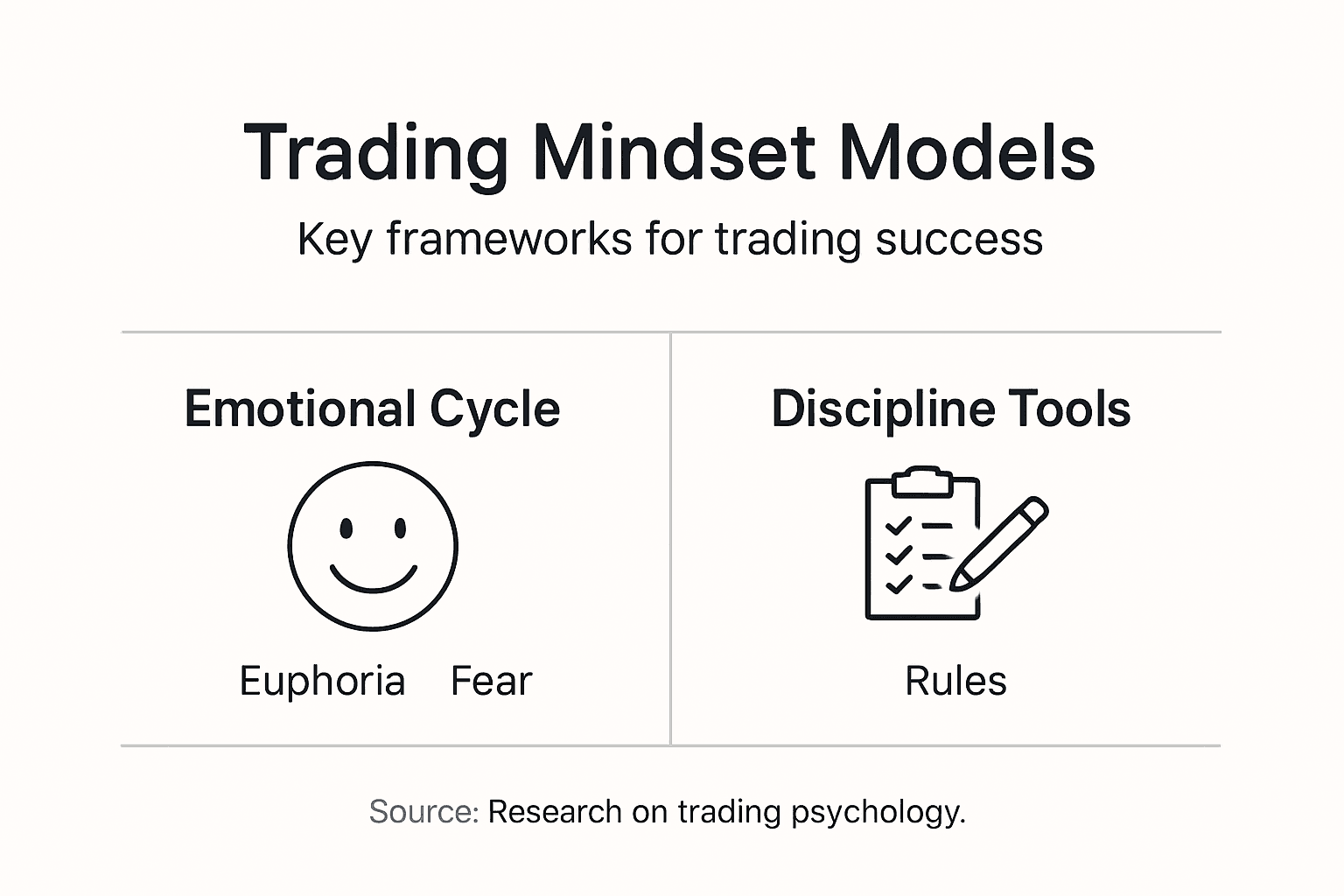
市場の最高値では誰もが無敵だと感じ、陶酔感に包まれます。価格が下落し始めると希望が湧き上がりますが、回復を期待します。損失が拡大するにつれて不安が募ります。恐怖は意思決定を麻痺させます。そして、ついに底値で売却し、二度と取引しないと誓うと、投げ売りが起こります。そして、このサイクルが繰り返されます。.
自分の感情をサイクルの段階に当てはめることで、自己認識が深まります。陶酔感が募ってきたら、リスク管理を強化する必要があります。恐怖を認識することで、パニックによる取引終了を回避できます。この認識は、感情的な衝動と取引行動の間に余裕を生み出します。.
| フレームワーク | 集中 | 応用 |
| トレーダーの心理的サイクル | 感情の段階 | 予測可能なミスを防ぐために現在の感情状態を特定する |
| 認知行動療法 | 思考パターン | 市場と結果に関する非合理的な信念に挑戦する |
| マインドフルネスの実践 | 現在の認識 | 反応的な取引をせずに感情を観察する |
認知行動療法は、歪んだ思考を特定し、それに対処することに重点を置いています。「この取引ですぐに勝ち返さなければならない」と考える時、それは戦略ではなく感情的な思考だと認識できます。「私の戦略は100回の取引でプラスの期待値を持っている」と置き換えることで、焦点は単一の結果からプロセスへと移ります。.
プロのヒント: 各取引を終了した後、サイクルステージに沿って感情状態を記録しましょう。毎週見直し、「高揚感に浸った後は必ずオーバートレードしてしまう」や「不安な時は勝ちトレードでも途中で手仕舞ってしまう」といったパターンを見つけましょう。こうした認識は、パフォーマンス指標を追跡する高度な取引ソフトウェアと組み合わせることで、大きな変革をもたらします。.
感情のコントロールと規律のための実践的なテクニック
マインドフルネスのテクニックは、過去の後悔や未来の不安ではなく、現在の意識に意識を集中させます。ポジションを始める前に、深呼吸を3回し、体の緊張がないか確認しましょう。駆け巡る思考を、判断せずに意識してみましょう。このシンプルな練習は、衝動と行動の間に心理的な余裕を生み出します。.
事前定義された取引ルールにより、リアルタイムの感情的な判断を排除できます。市場が開く前に、エントリー基準、ポジションサイズ、ストップロスの設定、そして決済条件を含むルールを作成しましょう。感情が高ぶった時、扁桃体ではなく、ルールが判断を下します。研究によると、マインドフルネスは衝動性を30%向上させ、事前定義されたルールは一貫性を25%向上させます。.
リスク管理ルーチンは、資金を体系的に保護します。確信の有無にかかわらず、1取引あたり1~2%を超えるリスクは負いません。ポジションサイジングは直感ではなく計算ツールを活用しましょう。1日の損失上限を設定しましょう。これらの機械的な安全策により、ドローダウン時にアカウントを破壊するような感情的な賭けを防止できます。.
実装手順:
-
日記を通して感情の引き金を特定する
-
取引セッションの前に5分間のマインドフルネスを実践する
-
取引ルールを書いて、目につくところに投稿しましょう
-
エントリー前にポジションサイズを計算し、
-
毎週、取引と感情の状態をレビューする
プロのヒント: トレードジャーナルと心理的記録を組み合わせましょう。各トレードのセットアップ、結果、そして感情状態を記録します。30回トレードすると、パターンがはっきりと現れます。怒った状態でトレードすると常に損失を出してしまう、あるいは落ち着いて忍耐強い時に最も良いトレードができる、といったことに気づくかもしれません。このフィードバックループは、テクニカル分析のみをはるかに超える心理的発達を加速させます。.
これらの技術を外国為替取引プラットフォームや 専門教育 完全なトレーディング心理学システムを作成します。.
ケーススタディ:トレーディングにおける心理的な成功と失敗
マリアという名の個人FXトレーダーは、堅実なテクニカル分析にもかかわらず、継続的な損失に悩まされていました。彼女の問題は戦略ではなく、実行力にありました。恐怖心が、わずかな利益を得た後に勝ち組ポジションを手放してしまう原因となりました。一方、強欲が彼女を、反転を期待して負け組ポジションを保有させるように駆り立てました。彼女は心理トラッキングとマインドフルネスのルーティンを導入しました。そして6ヶ月以内に、同じテクニカル戦略を用いながらも規律ある実行力によって、彼女の利益は40%増加しました。.
よくある失敗のパターンは心理的な根源を明らかにします。
-
戦略パラメータ外の衝動的な取引
-
希望や否定によるストップロスの無視
-
勝利後の自信過剰が過剰なポジションにつながる
-
損失後のリベンジ取引
-
間違いを恐れて分析麻痺になる
成功するトレーダーは、技術的なスキルだけでなく、心理的な特徴も共有しています。彼らは感情を効果的にコントロールし、損失を個人的な失敗ではなくデータとして捉えます。勝ちが続いている間も、自信過剰に陥りそうになった時には規律を保ちます。無理に取引するのではなく、確率の高い局面を待つという忍耐力も持ち合わせています。.
心理的なトレードで成功を収めた人から学ぶべき教訓は、個々のトレードの正解や不正解ではなく、トレードを確率ゲームとして捉えることです。成功するトレーダーは、結果からエゴを切り離します。ルールに従うことで長期的に利益が生まれると信じ、プロセスの実行に集中します。パフォーマンス分析と並行して、定期的に心理的な分析も行います。.
ケーススタディから得られる重要な洞察は、心理的な向上がパフォーマンスの向上に直接つながるということです。技術的な優位性は重要ですが、実際にその優位性を獲得できるかどうかは、心理的な実行力によって決まります。継続的なセルフコーチングと感情的な認識こそが、利益を上げるトレーダーと、市場知識にもかかわらず口座を破綻させる大多数のトレーダーを区別するのです。.
理解を実践的な取引改善につなげる
心理的な洞察を体系的な実践を通して、一貫した結果へとつなげましょう。まずは、自分の感情の引き金となるものを特定することから始めましょう。負けるとリベンジトレードをしてしまう?勝つと自信過剰になってしまう?これらのパターンを具体的に書き留めましょう。.
次に、トレーダーの心理サイクルを使って自分の感情をマッピングします。各セッションの前に、現在のステージを把握しましょう。陶酔感がある?リスクを低く抑える。不安を感じている?自分の優位性を客観的に評価する。この認識は、予測可能な感情的なミスを防ぐのに役立ちます。.
マインドフルネスをトレード時だけでなく、毎日実践しましょう。5分間の呼吸法で、感情に反応せずに観察する精神的な筋肉が鍛えられます。このスキルは練習を重ねるうちに自然に身につき、市場の出来事と自分の反応の間に余裕が生まれます。.
ポジションを開く前に、確固たるルールとリスク管理プランを設定しましょう。エントリー基準、ポジションサイズの計算式、損切りルール、そして決済条件を明記しましょう。感情が高ぶった時、ルールが反応します。これにより、リアルタイムの感情的な意思決定を排除できます。.
5段階の心理的統合計画:
-
トリガーの識別: 2週間の取引と感情を記録してパターンを見つける
-
サイクルマッピング各セッションの前にサイクルステージを使用して感情状態をラベル付けします
-
マインドフルネスの実践: 毎日5分間コミットし、取引前に10分間に増やします
-
ルールの作成: すべての意思決定ポイントを網羅した包括的な取引ルールを作成する
-
パフォーマンスレビュー: 毎週取引と感情を分析し、必要に応じてルールを調整する
市場のボラティリティが高い状況でも、結果よりもプロセスを信頼することで規律を保ちましょう。ボラティリティは感情を増幅させますが、実行力は変化させません。. 暗号通貨 FXのボラティリティは心理的耐性を最も厳しく試します。他者がパニックに陥った時でも、一貫した実行力こそがあなたの優位性を生み出します。.
教育リソースを活用して、技術的スキルと心理的スキルの両方を養成します。 包括的な取引機会 学習教材と組み合わせることで開発を加速します。.
よくある実装上の落とし穴を避けましょう。感情を無視して消え去ることを期待してはいけません。活動が増えれば学習が速まると信じて、過剰な取引をしてはいけません。心理的な要因で損失が発生した場合でも、市場のせいにしてはいけません。感情パターンを自分のものとして捉え、体系的に対処しましょう。.
継続的な心理的セルフコーチングは、長期的な勝ち組と一時的な成功を繰り返すトレーダーを区別します。市場は変化し、戦略は進化しますが、心理的な規律は常に優位性を保ちます。何を取引したかだけでなく、なぜ取引したのか、どのように感じたのかを振り返るように心がけましょう。このメタ認識が、熟練度へと繋がります。.
Olla Tradeの専門ツールで取引を強化
プロ仕様のツールで心理的洞察を活用してみませんか?Olla TradeのFXプラットフォームは、規律あるトレーダーが求める執行スピードと信頼性を提供します。迅速な約定とタイトなスプレッドにより、心理的な準備がスリッページによるフラストレーションではなく、実際の結果へと繋がります。.
テクニカルスキルと心理的レジリエンスの両方を養うために設計された、プロフェッショナルなトレーディング教育にアクセスしてください。体系的な学習により、試行錯誤だけに頼るのではなく、成長を加速できます。.
使用 経済カレンダー 市場を動かすイベントを予測する。準備をしておけば、ボラティリティが急上昇した際に感情的な反応を抑えることができます。重要な発表を知っておくことで、パニックに陥ることなく情報に基づいた取引を行うことができます。.
最先端のプラットフォームと継続的な心理的改善を組み合わせる。あなたの優位性は戦略だけではありません。プレッシャーの下で規律ある実行力こそが重要です。.
トレーディング心理学とは?よくある質問
取引に影響を与える主な感情は何ですか?
恐怖と貪欲はトレード心理を支配し、パニックによるエグジットや衝動的なエントリーによって68%もの損失を引き起こします。また、勝利後の自信過剰やドローダウン時の不安も判断力を著しく損ないます。これらの感情を意識とルールを通してコントロールすることは、安定した収益性を得るために不可欠です。.
今日からトレーディング心理学の改善を始めるにはどうすればいいでしょうか?
まずは、トレードジャーナルを作成し、結果と感情の両方を記録しましょう。20以上のトレードを通して、感情の引き金となる要素とパターンを特定しましょう。事前に定義したエントリーとエグジットのルールを適用し、リアルタイムの感情的な判断を排除しましょう。各セッションの前に、5分間のマインドフルネス呼吸法を実践しましょう。.
取引心理学は外国為替と暗号通貨のどちらにおいてより重要ですか?
心理的要素はどちらの市場においても同様に重要ですが、仮想通貨の極端なボラティリティと24時間365日取引は、感情的な課題を増幅させます。FXのレバレッジもまた、心理的なプレッシャーを強めます。どちらの市場も厳格な感情コントロールが求められるため、資産クラスに関わらず、心理的な規律が成功の鍵となります。.
心理的な規律によって取引損失を減らすことはできますか?
まさにその通りです。研究によると、事前に定義されたルールとマインドフルネスの実践は、ドローダウンを約25%削減し、同時に一貫性を向上させることが示されています。心理的な規律は、リベンジトレード、オーバートレード、ストップロスの調整といった感情的なミスを防ぎ、口座破綻の大きな原因となるミスを防ぎます。戦略の優位性は、心理学的な判断によって実行できる場合にのみ重要になります。.
取引時の感情を管理するのに役立つツールはありますか?
はい。感情を書き留めたトレードジャーナルはパターンを明らかにします。マインドフルネスアプリは気づきを高めます。ポジションサイジング計算機は感情的なリスク判断を排除します。高度な機能を備えた取引プラットフォームは、ルールを機械的に実行するのに役立ちます。これらのツールと継続的な自己レビューを組み合わせることで、包括的な心理管理システムが構築されます。.