











Biaya perdagangan merupakan salah satu faktor yang paling diremehkan, yang secara diam-diam mengurangi keuntungan portofolio Anda. Setiap spread, komisi, dan biaya eksekusi secara halus mengurangi keuntungan Anda, seringkali terakumulasi hingga ribuan dolar setiap tahun tanpa disadari oleh para trader. Memahami dan memantau biaya-biaya ini bukan hanya cerdas, tetapi juga penting untuk memaksimalkan profitabilitas bersih Anda dan membangun kesuksesan perdagangan yang berkelanjutan di pasar yang kompetitif.
Daftar isi
- Dampak Tersembunyi Biaya Perdagangan Terhadap Keuntungan Anda
- Memahami Biaya Maker dan Taker serta Dampaknya terhadap Pasar
- Strategi Terbukti untuk Memantau dan Mengurangi Biaya Perdagangan Anda
- Menyeimbangkan Biaya Rendah dengan Disiplin Perdagangan dan Risiko Pasar
- Jelajahi Perdagangan Berbiaya Rendah dengan Olla Trade
- Pertanyaan yang Sering Diajukan
Poin-poin penting
| Titik | Detail |
|---|---|
| Erosi tersembunyi | Biaya perdagangan secara diam-diam mengurangi profitabilitas melalui spread, komisi, dan slippage yang terus bertambah seiring waktu. |
| Struktur biaya itu penting. | Memahami biaya maker dan taker membantu Anda mengoptimalkan jenis pesanan dan strategi eksekusi untuk biaya yang lebih rendah. |
| Pengurangan strategis | Pemotongan pesanan (order slicing), perutean cerdas (smart routing), dan konsentrasi volume dapat memangkas biaya perdagangan sebesar 10 hingga 60 persen setiap tahunnya. |
| Diperlukan disiplin. | Biaya rendah saja tidak menjamin keuntungan; menggabungkan kesadaran biaya dengan strategi yang disiplin akan memaksimalkan keuntungan jangka panjang. |
Dampak tersembunyi dari biaya perdagangan terhadap keuntungan Anda
Setiap kali Anda melakukan transaksi, berbagai biaya mengurangi keuntungan bersih Anda. Komisi merupakan pengeluaran yang paling terlihat, tetapi biaya perdagangan tersembunyi Spread dan slippage seringkali melebihi biaya eksplisit. Spread bid-ask mengukur perbedaan antara harga beli dan harga jual, yang mewakili biaya Anda untuk eksekusi langsung.
Pertimbangkan hal ini: platform yang mengiklankan komisi nol masih mengambil keuntungan melalui spread yang lebih lebar. Seorang trader ritel biasa yang mengeksekusi order pasar mungkin membayar $100 dalam biaya spread untuk perdagangan yang sama yang sebelumnya hanya membutuhkan biaya $70 dalam gabungan komisi dan spread sebelum tahun 2020. Perhitungan menunjukkan bahwa perdagangan "gratis" sebenarnya tidak gratis.
Biaya pelaksanaan berdampak langsung Rasio Sharpe portofolio Anda dan kemampuan menghasilkan alpha. Ketika Anda memperhitungkan semua gesekan transaksi, banyak trader aktif menemukan bahwa pengembalian kotor mereka tampak mengesankan sementara pengembalian bersih hampir tidak melebihi tolok ukur pasif. Biaya-biaya ini menciptakan hambatan kinerja yang signifikan yang terus bertambah selama berbulan-bulan dan bertahun-tahun.
Komponen biaya utama yang harus Anda pantau:
- Biaya komisi dikenakan per transaksi atau sebagai persentase dari nilai transaksi.
- Selisih harga beli dan jual yang melebar selama periode volatilitas atau likuiditas rendah.
- Selisih harga akibat pergerakan harga antara penempatan pesanan dan eksekusi.
- Biaya pertukaran dan biaya regulasi yang dibebankan oleh pialang
- Biaya pembiayaan untuk posisi leverage yang dipertahankan semalaman
Tips Profesional: Hitung total biaya per transaksi Anda dengan menambahkan komisi eksplisit, spread rata-rata yang dibayarkan, dan perkiraan slippage. Basis biaya total ini mengungkapkan titik impas sebenarnya Anda sebelum menghasilkan keuntungan.
Memahami biaya maker dan taker serta pengaruhnya terhadap pasar.
Model biaya maker-taker membentuk dasar dari platform perdagangan elektronik modern. Maker memasang order limit yang tersimpan dalam order book, menyediakan likuiditas bagi trader lain. Taker mengeksekusi order market atau order limit yang dapat diperdagangkan yang langsung sesuai dengan order yang sudah ada, sehingga mengurangi likuiditas dari order book.

Struktur biaya biasanya memberikan imbalan kepada pembuat pesanan (maker) berupa rabat atau biaya nol, sementara mengenakan biaya kepada penerima pesanan (taker) sebesar 0,04 hingga 0,08 persen per transaksi. Trader bervolume tinggi di tingkatan VIP mungkin menerima biaya pembuat pesanan negatif, yang berarti bursa membayar mereka untuk menyediakan likuiditas. Insentif ekonomi ini membentuk bagaimana trader profesional menyusun aliran pesanan mereka.
Market maker memperoleh keuntungan dengan menangkap spread sambil dengan cepat memperdagangkan inventaris. Mereka mendapat manfaat dari rabat market maker yang mengimbangi margin ketat mereka. Taker memprioritaskan kecepatan dan kepastian eksekusi, menerima biaya yang lebih tinggi sebagai harga dari kecepatan dan ketepatan waktu. Gaya trading Anda menentukan struktur biaya mana yang paling memengaruhi Anda.
Biaya maker taker dapat Hal ini mendistorsi penetapan harga yang wajar ketika rabat mendorong strategi penawaran harga yang agresif. Para kritikus berpendapat bahwa biaya-biaya ini menciptakan konflik kepentingan, karena pialang dapat mengarahkan pesanan berdasarkan rabat daripada eksekusi terbaik. Regulator terus meneliti apakah model maker-taker melayani kepentingan investor atau terutama menguntungkan perantara.
| Jenis Biaya | Tarif Umum | Siapa yang Membayar? | Penggunaan Strategis |
|---|---|---|---|
| Biaya Pembuat | 0,00% hingga negatif 0,02% | Penyedia likuiditas | Pasang order limit di luar pasar untuk mendapatkan rabat. |
| Biaya Penerima | 0,04% hingga 0,08% | Penghapus likuiditas | Terima biaya untuk jaminan eksekusi segera. |
| Volume Bertingkat | Menurun seiring volume | Semua pedagang | Fokuskan transaksi untuk mencapai tingkatan biaya yang lebih rendah lebih cepat. |
Memahami Anda kebijakan pelaksanaan pesanan Membantu Anda mengoptimalkan jenis pesanan yang akan digunakan berdasarkan urgensi dan sensitivitas biaya. Pesanan limit umumnya memenuhi syarat untuk tarif maker saat pesanan tersebut berada dalam buku pesanan, sementara pesanan pasar selalu dikenakan biaya taker.
Tips Profesional: Untuk transaksi yang tidak mendesak, tempatkan order limit sedikit di luar harga pasar saat ini untuk mendapatkan rabat dari maker sambil tetap mencapai tingkat eksekusi yang wajar.
Strategi terbukti untuk memantau dan mengurangi biaya perdagangan Anda
Para trader profesional merekayasa proses eksekusi mereka untuk meminimalkan biaya gesekan. Penelitian menunjukkan bahwa Para profesional mengurangi biaya perdagangan. Peningkatan efisiensi biaya mencapai 40 hingga 60 persen melalui optimasi sistematis, sementara pedagang ritel seringkali mengabaikan efisiensi biaya sepenuhnya. Kesenjangan kinerja antara pendekatan-pendekatan ini meningkat secara signifikan seiring waktu.
Pengaturan rute yang cerdas merupakan garis pertahanan pertama Anda terhadap biaya yang berlebihan. Berbagai platform menawarkan jadwal biaya yang berbeda, dan mengarahkan pesanan besar ke bursa dengan tingkat maker yang menguntungkan atau biaya pendanaan yang lebih rendah dapat mengurangi pengeluaran tahunan sebesar 10 hingga 25 persen. Banyak platform canggih mengotomatiskan pengaturan rute ini berdasarkan perbandingan biaya secara real-time.
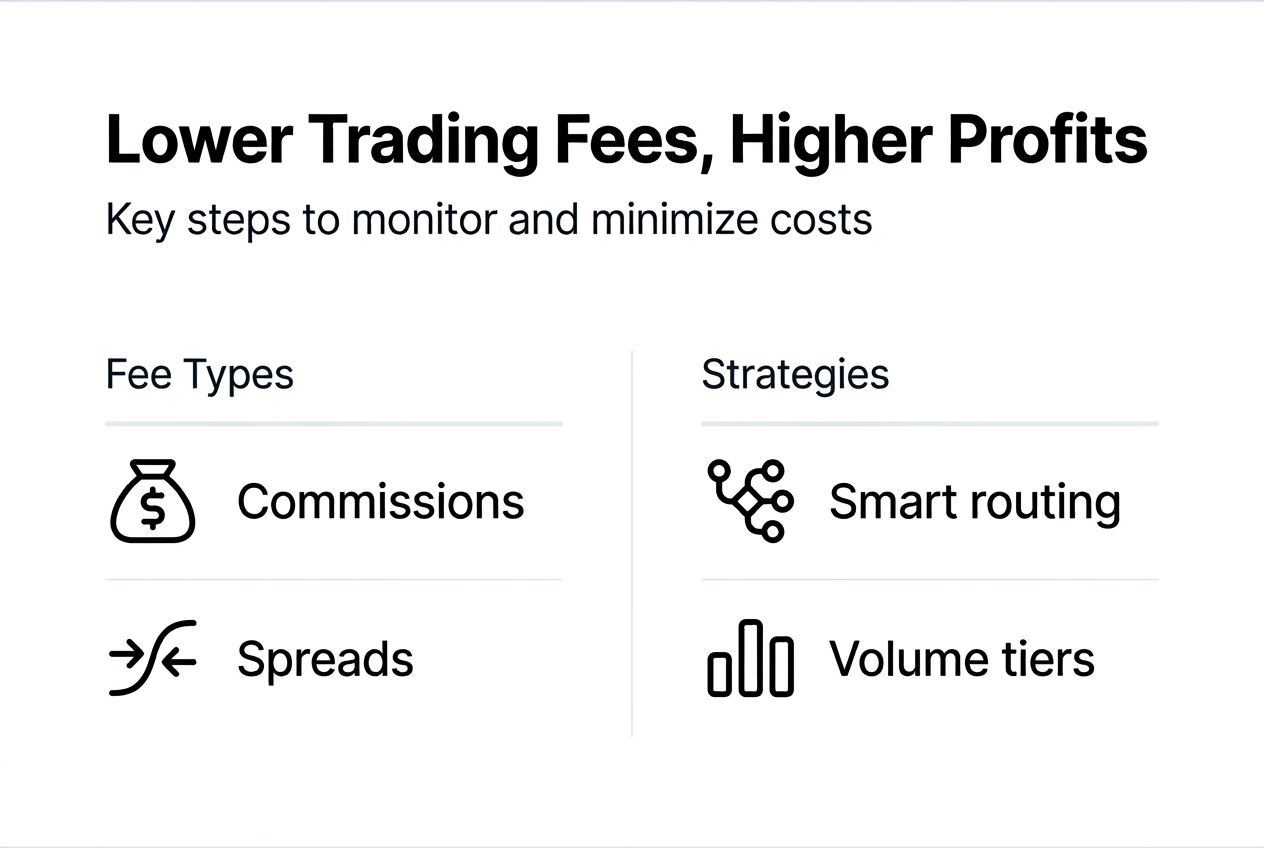
Order slicing memecah posisi besar menjadi bagian-bagian yang lebih kecil yang dieksekusi dari waktu ke waktu atau di beberapa tempat perdagangan. Teknik ini mengurangi biaya efektif sebesar 5 hingga 15 persen per perdagangan dengan menghindari dampak pasar dari pesanan tunggal yang besar. Slicing juga membantu Anda memenuhi syarat untuk mendapatkan rabat maker pada sebagian pesanan Anda sambil meminimalkan biaya taker yang Anda bayarkan.
Terapkan taktik pengurangan biaya berikut:
- Konsolidasikan volume perdagangan di platform yang memenuhi syarat untuk biaya tingkat lebih rendah daripada menyebar aktivitas ke beberapa broker.
- Gunakan order limit secara strategis untuk mendapatkan rabat dari maker ketika urgensi eksekusi rendah.
- Pantau biaya spread secara real time dan hindari trading selama periode spread yang terlalu lebar.
- Tinjau laporan pelaksanaan bulanan untuk mengidentifikasi pola selip yang berlebihan atau kualitas pengisian yang buruk.
- Negosiasikan tarif institusional ketika volume perdagangan Anda membenarkan hubungan langsung dengan broker.
Konsentrasi volume memberikan nilai lebih daripada berpindah-pindah platform. Mencapai tingkatan volume yang lebih tinggi di satu broker biasanya menghemat lebih banyak daripada mengejar tarif yang diiklankan sedikit lebih baik di tempat lain. Hitung total biaya Anda termasuk biaya, spread, dan kualitas eksekusi daripada terpaku pada satu metrik saja.
Manfaat fitur platform perdagangan yang menyediakan transparansi biaya dan analitik eksekusi. Platform canggih menampilkan rincian biaya secara real-time dan mensimulasikan hasil pesanan di berbagai strategi eksekusi. Alat-alat ini mengubah manajemen biaya dari tebak-tebakan menjadi optimasi berbasis data.
Strategi kebijakan eksekusi Anda harus menyeimbangkan biaya dengan tujuan lain seperti kecepatan dan kepastian. Biaya yang sangat rendah tidak banyak berarti jika kualitas eksekusi yang buruk menyebabkan kerugian beberapa basis poin dalam bentuk selip. Fokuslah pada meminimalkan total kekurangan implementasi, bukan hanya biaya eksplisit.
Tips Profesional: Lacak biaya efektif per saham atau basis poin per transaksi Anda di berbagai jenis pesanan dan kondisi pasar untuk mengidentifikasi metode eksekusi mana yang paling sesuai dengan strategi Anda.
Menyeimbangkan biaya rendah dengan disiplin perdagangan dan risiko pasar.
Biaya perdagangan yang lebih rendah menciptakan pedang bermata dua bagi banyak investor. Meskipun pengurangan biaya meningkatkan pengembalian bersih bagi pedagang yang disiplin, hal itu juga dapat mendorong spekulasi berlebihan yang menghancurkan nilai. Penelitian menunjukkan bahwa biaya perdagangan yang lebih rendah menyebabkan Hal ini disebabkan oleh meningkatnya perputaran modal di kalangan investor ritel, dengan para trader yang kurang berpengalaman sangat rentan terhadap overtrading.
Psikologi di balik fenomena ini cukup sederhana. Ketika komisi turun dari $10 menjadi nol per transaksi, hambatan yang dirasakan untuk memasuki posisi pun hilang. Volume perdagangan harian melonjak karena para pedagang tidak lagi merasakan biaya gesekan dari setiap keputusan. Sayangnya, peningkatan frekuensi perdagangan biasanya berkorelasi dengan penurunan keuntungan bagi peserta ritel.
Secara historis, biaya transaksi berfungsi sebagai pembatas perilaku yang tidak disengaja, memaksa para pedagang untuk mempertimbangkan dengan cermat apakah setiap transaksi membenarkan biaya yang dikeluarkan. Menghilangkan hambatan ini dapat memicu pengambilan keputusan impulsif dan perdagangan harian berulang di antara individu yang kurang memiliki kerangka manajemen risiko yang tepat. Dampak kumulatif dari banyak transaksi buruk kecil seringkali melebihi penghematan dari biaya yang lebih rendah.
Risiko perilaku utama yang perlu dipantau:
- Peningkatan pergantian posisi tanpa peningkatan kualitas seleksi perdagangan yang sepadan.
- Periode kepemilikan yang lebih pendek yang mengubah strategi jangka panjang menjadi spekulasi.
- Paparan risiko keseluruhan yang lebih tinggi dari mempertahankan lebih banyak posisi secara bersamaan.
- Mengurangi fokus pada analisis fundamental ketika trading terasa "bebas".“
Strategi yang disiplin dikombinasikan dengan kesadaran akan biaya menghasilkan hasil yang optimal. Tetapkan aturan yang jelas tentang frekuensi perdagangan, ukuran posisi, dan kriteria masuk yang ada secara independen dari pertimbangan biaya. Kemudian terapkan teknik optimasi biaya untuk mengurangi hambatan pada perdagangan yang memenuhi persyaratan strategis Anda.
Berinteraksi dengan pendidikan perdagangan profesional yang menekankan disiplin proses di samping keterampilan eksekusi teknis. Memahami kapan tidak melakukan trading sama pentingnya dengan mengetahui cara melakukan trading secara efektif dari segi biaya. Para trader terbaik menggabungkan kerangka strategi yang ketat dengan manajemen biaya yang sistematis.
Tips Profesional: Pantau biaya rata-rata per transaksi dan jumlah transaksi bulanan Anda untuk memastikan biaya yang lebih rendah tidak mendorong praktik perdagangan berlebihan yang tidak terkendali dan mengikis keuntungan Anda.
Jelajahi perdagangan berbiaya rendah dengan Olla Trade.
Menerapkan prinsip-prinsip manajemen biaya ini membutuhkan platform yang menyeimbangkan biaya kompetitif dengan infrastruktur eksekusi yang kuat. Olla Trade menghadirkan spread ketat dan struktur biaya transparan di seluruh platform. opsi perdagangan forex dan beragam kelas instrumen, membantu Anda meminimalkan hambatan yang mengurangi keuntungan bersih.
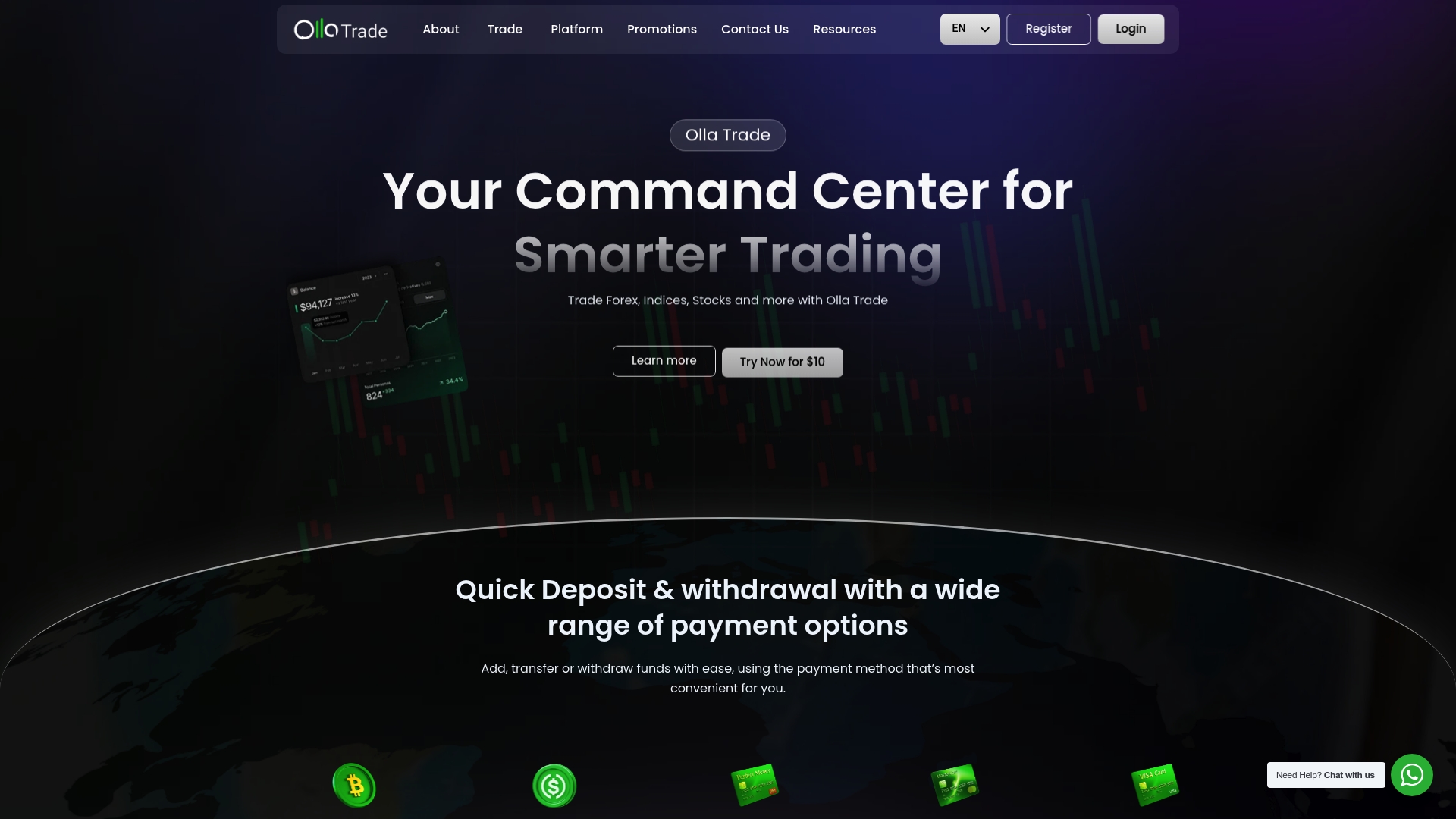
Platform trading kami menyediakan fitur analitik dan alat eksekusi yang diandalkan oleh trader profesional untuk mengoptimalkan aliran order dan memantau biaya riil. Akses integrasi MetaTrader 4, grafik tingkat lanjut, dan expert advisor yang membantu Anda menerapkan strategi eksekusi yang canggih. Gabungkan harga yang kompetitif dengan sumber daya edukasi trading profesional yang mengajarkan Anda kapan dan bagaimana mengeksekusi untuk efisiensi maksimal.
Pertanyaan yang sering diajukan
Apa saja berbagai jenis biaya perdagangan yang harus saya pantau?
Biaya perdagangan mencakup komisi eksplisit yang dikenakan per transaksi, biaya maker dan taker berdasarkan apakah Anda menambah atau mengurangi likuiditas, dan spread bid-ask yang mewakili biaya eksekusi langsung. Biaya tersembunyi seperti slippage terjadi ketika harga bergerak antara penempatan pesanan dan eksekusi, terutama selama periode volatilitas atau ketika memperdagangkan instrumen yang kurang likuid. Biaya bursa, biaya regulasi, dan biaya pembiayaan semalam untuk posisi leverage menambah lapisan biaya tambahan. Lacak semua komponen ini bersama-sama untuk memahami biaya sebenarnya per transaksi dan mengidentifikasi peluang optimasi.
Bagaimana biaya maker dan taker memengaruhi biaya dan strategi trading saya?
Maker yang memasang order limit yang tersimpan di order book biasanya menerima rabat atau tidak membayar biaya sama sekali, sementara taker yang mengeksekusi order market yang mengurangi likuiditas membayar 0,04 hingga 0,08 persen. Pilihan Anda antara order limit dan order market secara langsung memengaruhi struktur biaya mana yang berlaku. Trader yang sabar dapat mengurangi biaya dengan menggunakan order limit untuk memenuhi syarat tarif maker, meskipun ini mengharuskan penerimaan ketidakpastian eksekusi. Trader aktif yang memprioritaskan kecepatan dan kepastian menerima biaya taker sebagai biaya dari eksekusi yang terjamin.
Apakah biaya pemantauan benar-benar dapat meningkatkan keuntungan trading saya?
Pemantauan biaya secara sistematis mengungkap biaya tersembunyi yang secara diam-diam mengikis keuntungan tanpa disadari oleh para trader. Penelitian menunjukkan bahwa para profesional mengurangi biaya trading sebesar 40 hingga 60 persen melalui optimasi eksekusi, yang secara langsung berdampak pada peningkatan laba bersih. Menerapkan strategi seperti smart routing, order slicing, dan konsentrasi volume dapat memangkas biaya Anda sebesar 10 hingga 25 persen setiap tahunnya. Kesadaran akan biaya juga mendorong pengambilan keputusan trading yang lebih disiplin dengan membuat Anda menyadari biaya sebenarnya dari setiap transaksi, sehingga mengurangi overtrading impulsif.
Alat atau sumber daya apa yang dapat membantu saya melacak dan mengelola biaya perdagangan?
Mulailah dengan meninjau jadwal biaya broker Anda dan laporan eksekusi bulanan yang merinci komisi, spread, dan slippage di seluruh transaksi Anda. Fitur platform perdagangan canggih menyediakan analisis biaya waktu nyata dan metrik kualitas eksekusi yang membantu Anda mengoptimalkan jenis dan rute pesanan. Pelajari kebijakan eksekusi pesanan broker Anda untuk memahami bagaimana mereka mengarahkan pesanan dan tempat mana yang menawarkan struktur biaya paling menguntungkan. Sumber daya pendidikan profesional mengajarkan Anda cara menafsirkan data eksekusi dan menerapkan strategi pengurangan biaya secara sistematis.
Direkomendasikan
- Biaya Akun Broker: Mengungkap Biaya Tersembunyi & Spread – Olla Trade
- Mengapa menggunakan perdagangan multi-perangkat untuk transaksi yang lebih cepat di tahun 2026?
- Berita Pasar – Olla Trade
- Temukan penerima manfaat melakukan perdagangan online pada tahun 2026
- f01i.ai – Pembuat Bot Trading Kripto AI | Tanpa Komisi | Trading Otomatis
- Pajak Kripto di Tahun 2026 — Apa yang Perlu Diketahui Setiap Trader — Blog Solaria World