









সংক্ষেপে:
- ট্রেডারের প্রয়োজন অনুসারে বিভিন্ন ফরেক্স ইন্সট্রুমেন্ট ট্রেডিং খরচ, লিভারেজ এবং তারল্যকে প্রভাবিত করে।.
- কম স্প্রেড এবং উচ্চ তারল্যের কারণে মেজর পেয়ারগুলো নতুনদের জন্য আদর্শ।.
- প্রাতিষ্ঠানিক ব্যবসায়ীরা স্বচ্ছতা, মানসম্মতকরণ এবং ঝুঁকি ব্যবস্থাপনার জন্য ফিউচার ও অপশন পছন্দ করেন।.
ফরেক্স মার্কেটে কয়েক ডজন ইন্সট্রুমেন্ট রয়েছে, এবং এই বৈচিত্র্যটি একই সাথে একটি সুযোগ ও একটি ফাঁদ। EUR/USD এবং CME ফিউচার একই স্ক্রিনে থাকলেও, এগুলি সম্পূর্ণ ভিন্ন উদ্দেশ্য পূরণ করে, ভিন্ন ভিন্ন খরচ বহন করে এবং ভিন্ন ভিন্ন ট্রেডার প্রোফাইলের জন্য উপযুক্ত। আপনি ভোরবেলা ডেস্কটপে ট্রেড করুন বা মিটিংয়ের ফাঁকে ফোনে অর্ডার দিন, আপনার বেছে নেওয়া ইন্সট্রুমেন্টটিই সবকিছু নির্ধারণ করে: আপনার মার্জিন রিকোয়ারমেন্ট, ওভারনাইট খরচ, এক্সিকিউশন কোয়ালিটি এবং পরিশেষে আপনার ফলাফল। এই গাইডটি বাস্তব উদাহরণ, মূল বৈশিষ্ট্য এবং প্রতিটি ইন্সট্রুমেন্টকে আপনার প্রকৃত ট্রেডিং স্টাইলের সাথে মেলানোর জন্য একটি সুস্পষ্ট কাঠামোসহ প্রধান ফরেক্স ইন্সট্রুমেন্ট প্রকারগুলিকে বিশদভাবে ব্যাখ্যা করে।.
সুচিপত্র
- ফরেক্স ইন্সট্রুমেন্ট কীভাবে বেছে নেবেন: মূল মানদণ্ড
- প্রধান, অপ্রধান এবং ব্যতিক্রমী মুদ্রা জোড়া: স্পট ফরেক্সের মূল উদাহরণ
- কারেন্সি সিএফডি: খুচরা এবং একাধিক ডিভাইস ব্যবহারকারী ট্রেডারদের জন্য নমনীয় ট্রেডিং
- ফিউচার, অপশন এবং সোয়াপ: প্রাতিষ্ঠানিক মানের ফরেক্স ইন্সট্রুমেন্ট
- ফরেক্স ইনস্ট্রুমেন্টের তুলনা: আপনার ট্রেডিং স্টাইলের জন্য কোনটি উপযুক্ত?
- আমাদের দৃষ্টিকোণ: ফরেক্স ইনস্ট্রুমেন্ট নির্বাচন সম্পর্কে উপেক্ষিত সত্যসমূহ
- ওলা ট্রেডের ফরেক্স প্ল্যাটফর্মের সাথে পরবর্তী পদক্ষেপ নিন।
- সচরাচর জিজ্ঞাস্য
কী Takeaways
| বিন্দু | বিস্তারিত |
|---|---|
| আপনার বাদ্যযন্ত্রটি জানুন | প্রতিটি ফরেক্স ইনস্ট্রুমেন্টের নিজস্ব সুবিধা, ঝুঁকি এবং আদর্শ ব্যবহারের ক্ষেত্র রয়েছে।. |
| মেজররা নতুনদের জন্য উপযুক্ত। | প্রধান পেয়ারগুলোতে কম স্প্রেড এবং উচ্চ তারল্য থাকায় এগুলো নতুন ট্রেডারদের জন্য সহজলভ্য।. |
| সিএফডি নমনীয়তা প্রদান করে | সিএফডি আপনাকে একাধিক ডিভাইস ও প্ল্যাটফর্মে লিভারেজ ব্যবহার করে মুদ্রা লেনদেন করার সুযোগ দেয়।. |
| পেশাদার সরঞ্জাম উপলব্ধ | ফিউচার, অপশন এবং সোয়াপ প্রাতিষ্ঠানিক ট্রেডারদের জন্য উন্নত কৌশল প্রণয়নে সক্ষম করে।. |
| লেনদেন করার আগে তুলনা করুন | ইনস্ট্রুমেন্টের বৈশিষ্ট্য এবং ট্রেডিং খরচ তুলনা করলে তা আপনার জন্য সবচেয়ে উপযুক্তটি বেছে নিতে সাহায্য করতে পারে।. |
ফরেক্স ইন্সট্রুমেন্ট কীভাবে বেছে নেবেন: মূল মানদণ্ড
কোনো পেয়ার বা প্রোডাক্ট বেছে নেওয়ার আগে আপনার একটি ফিল্টার প্রয়োজন। সব ইন্সট্রুমেন্ট সব ট্রেডারের জন্য উপযুক্ত নয়, এবং ভুল পছন্দ এমন সব খরচের মাধ্যমে নীরবে মুনাফা কমিয়ে দিতে পারে, যা আপনি কখনো ট্র্যাক করেননি।.
আপনি যে ইন্সট্রুমেন্টটি ট্রেড করেন তা বেশ কিছু গুরুত্বপূর্ণ বিষয় নির্ধারণ করে:
- লিভারেজ এবং মার্জিনসিএফডি এবং স্পট ফরেক্সে প্রায়শই এক্সচেঞ্জ-ট্রেডেড প্রোডাক্টের চেয়ে বেশি লিভারেজ পাওয়া যায়।
- বিস্তার এবং কমিশন কাঠামোমেজর কারেন্সিগুলোর ক্ষেত্রে আরও কঠোর, এক্সোটিক এবং কিছু ডেরিভেটিভের ক্ষেত্রে আরও বিস্তৃত।
- মেয়াদোত্তীর্ণ এবং রাতারাতি খরচফিউচারসের মেয়াদ শেষ হয়; সিএফডি-তে দৈনিক সোয়াপ থাকে।
- বাণিজ্যিক স্থানএক্সচেঞ্জ-ট্রেডেড (ফিউচার, অপশন) বনাম ওভার-দ্য-কাউন্টার (স্পট, সিএফডি)
- প্ল্যাটফর্ম সামঞ্জস্যতাসব ব্রোকার ফিউচার সমর্থন করে না; বেশিরভাগ রিটেইল প্ল্যাটফর্ম স্পট এবং সিএফডি-র উপর মনোযোগ দেয়।
- তারল্যঅস্থির সেশন চলাকালীন স্লিপেজ এবং ফিল কোয়ালিটির উপর সরাসরি প্রভাব ফেলে।
দ্য ফরেক্স বনাম সিএফডি তুলনা খরচের কাঠামো মূল্যায়ন করার সময় এটি সবচেয়ে বেশি গুরুত্বপূর্ণ। একজন খুচরা CFD ট্রেডার যিনি প্রতিটি রাউন্ড টার্নে ১.৫-পিপ কার্যকর স্প্রেড প্রদান করেন, তিনি হয়তো যতটা উপলব্ধি করেন তার চেয়ে অনেক বেশি বোঝা বহন করছেন।.
খুচরা বনাম প্রাতিষ্ঠানিক ফরেক্স ট্রেডিং এটি একটি সুস্পষ্ট প্যাটার্ন দেখায়: খুচরা ব্যবসায়ীরা তাদের উচ্চ লিভারেজ এবং সহজলভ্যতার জন্য স্পট এবং সিএফডি পছন্দ করেন, অন্যদিকে পেশাদাররা উন্নততর এক্সিকিউশন স্বচ্ছতা এবং হেজিং নির্ভুলতার জন্য ফিউচার এবং অপশনের দিকে ঝোঁকেন। এই পরিসরে আপনার অবস্থান কোথায়, তা বোঝাটাই নির্ধারণ করে যে কোন ইনস্ট্রুমেন্টটি আসলে আপনার জন্য উপযোগী।.
দ্য লিভারেজের সুবিধা এবং ঝুঁকি ট্রেডিংয়ের ধরন অনুযায়ী লেভারেজ ভিন্নভাবে প্রযোজ্য হয়, তাই ট্রেড করার আগে সর্বদা আপনার নির্দিষ্ট প্রোডাক্টের সাথে লেভারেজ মিলিয়ে নিন।.
বিশেষ পরামর্শ: আপনি যদি ফরেক্সে নতুন হন, তবে এক্সোটিক পেয়ার বা ডেরিভেটিভস নিয়ে কাজ করার আগে কম লিভারেজ ব্যবহার করে মেজর পেয়ারগুলো দিয়ে শুরু করুন। যখন স্প্রেড কম থাকে এবং লিকুইডিটি বেশি থাকে, তখন শেখার খরচও কম হয়।.
প্রধান, অপ্রধান এবং ব্যতিক্রমী মুদ্রা জোড়া: স্পট ফরেক্সের মূল উদাহরণ
কারেন্সি পেয়ার হলো স্পট ফরেক্সের ভিত্তি, যা বর্তমান বাজার মূল্যে এক মুদ্রার বিপরীতে অন্য মুদ্রা লেনদেন করার সবচেয়ে সরাসরি উপায়।.
প্রধান জোড়া (EUR/USD, GBP/USD, USD/JPY) বিশ্বব্যাপী লেনদেনের পরিমাণে আধিপত্য বিস্তার করে এবং এদের স্বল্প স্প্রেড ও ব্যাপক তারল্যের জন্য এগুলো পছন্দের।. EUR/USD-এর মতো প্রধান পেয়ার এগুলো দৈনিক ফরেক্স লেনদেনের সিংহভাগ প্রতিনিধিত্ব করে এবং সাধারণত ECN অ্যাকাউন্টগুলিতে ০.০ থেকে ০.৩ পিপসের মধ্যে স্প্রেড অফার করে। আপনি যখন ঘন ঘন ট্রেড করেন, তখন এই ধরনের দক্ষতা গুরুত্বপূর্ণ।.
ছোট এবং বহিরাগত জোড়া এগুলো সম্পূর্ণ ভিন্ন খেলা।. ছোট এবং বহিরাগত জোড়া এতে স্প্রেড উল্লেখযোগ্যভাবে বেশি এবং অস্থিরতাও বেশি থাকে, যেখানে USD/TRY বা USD/ZAR-এর মতো এক্সোটিক কারেন্সিগুলোর স্প্রেড কখনও কখনও ৫০ পিপস বা তারও বেশি হয়। এটা অবশ্য খারাপ কিছু নয়; অস্থিরতাই সুযোগ তৈরি করে। কিন্তু এতে প্রবেশ এবং প্রস্থানের খরচ অনেক বেশি।.
তিনটি বিভাগের মধ্যে তুলনা নিচে দেওয়া হলো:
| জোড়া প্রকার | উদাহরণ | গড় বিস্তার | অস্থিরতা | তারল্য |
|---|---|---|---|---|
| প্রধান | EUR/USD, USD/JPY | ০.০–০.৩ পিপস | নিম্ন থেকে মাঝারি | খুব উঁচু |
| নাবালক | EUR/GBP, GBP/JPY | ১–৫ পিপস | মাঝারি | উচ্চ |
| বহিরাগত | USD/TRY, USD/ZAR | ১০-৫০+ পিপস | উচ্চ | কম |
জানার মতো প্রধান পার্থক্যগুলো হলো:
- মার্কিন যুক্তরাষ্ট্র, ইউরোপীয় ইউনিয়ন, যুক্তরাজ্য এবং জাপানের সামষ্টিক অর্থনৈতিক তথ্যাবলী দ্বারা প্রধান সূচকগুলো চালিত হয়।
- আন্তঃআঞ্চলিক সংবাদ ঘটনা চলাকালীন অপ্রাপ্তবয়স্করা অস্বাভাবিক আচরণ করতে পারে।
- এক্সোটিক স্টকগুলো রাজনৈতিক ঝুঁকি, কেন্দ্রীয় ব্যাংকের হস্তক্ষেপ এবং উদীয়মান বাজারের মনোভাবের প্রতি সংবেদনশীল।
যেসব ট্রেডার কারেন্সি পেয়ার এবং সিএফডি-র তুলনা করেন, তাদের ক্ষেত্রে অন্তর্নিহিত উপকরণটি প্রায়শই একই কারেন্সি পেয়ার হয়ে থাকে, কিন্তু মাধ্যমটি খরচের কাঠামো এবং এটি ব্যবহারের পদ্ধতি পরিবর্তন করে দেয়।.
বেশিরভাগ খুচরা ব্যবসায়ী তাদের মূল কৌশল মেজর কারেন্সি পেয়ারগুলোকে কেন্দ্র করে তৈরি করে, তারপর বৈচিত্র্য আনার জন্য বেছে বেছে মাইনর কারেন্সি পেয়ার যোগ করে। এক্সোটিক কারেন্সি পেয়ারের জন্য অভিজ্ঞতা এবং কঠোর ঝুঁকি নিয়ন্ত্রণ প্রয়োজন।.
কারেন্সি সিএফডি: খুচরা এবং একাধিক ডিভাইস ব্যবহারকারী ট্রেডারদের জন্য নমনীয় ট্রেডিং
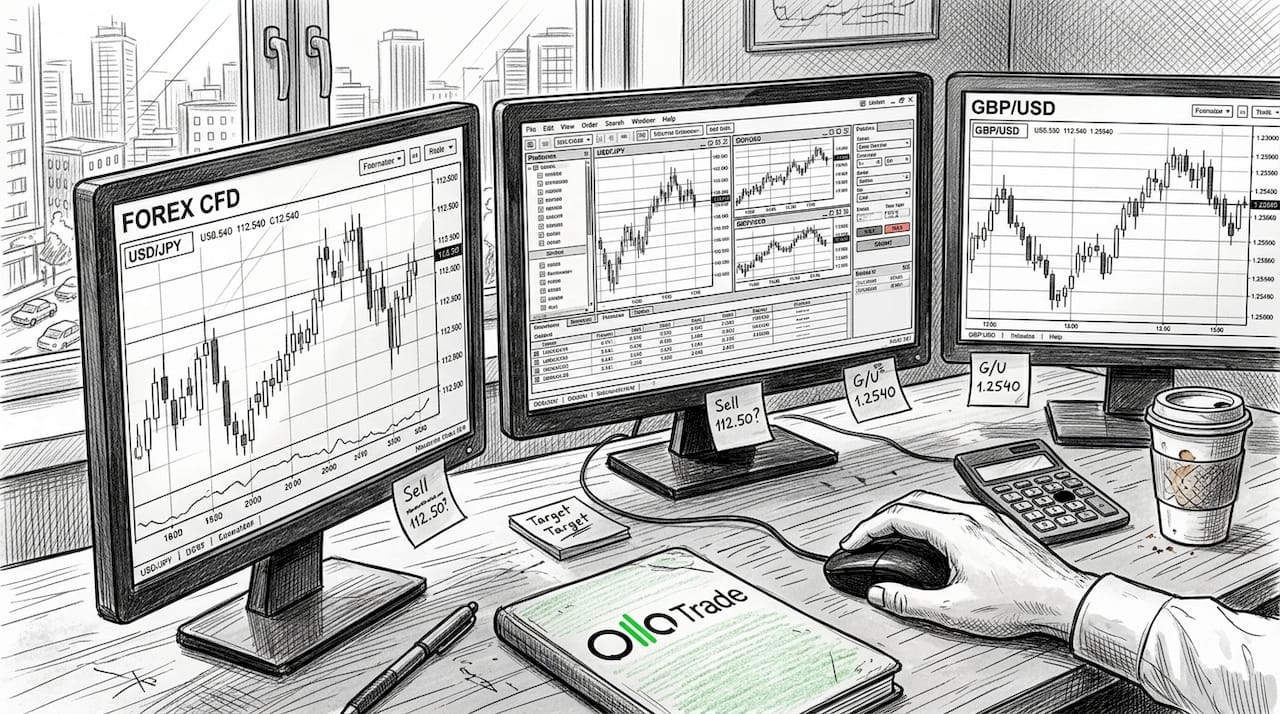
সিএফডি (কন্ট্রাক্টস ফর ডিফারেন্স) আপনাকে সরাসরি মুদ্রার মালিক না হয়েই তার মূল্যের ওঠানামা নিয়ে অনুমান করার সুযোগ দেয়। এখানে আপনি অ্যাসেটটি নয়, বরং মূল্যের পরিবর্তন নিয়ে ট্রেড করেন।.
ফরেক্স সিএফডি স্পট মূল্যের প্রতিফলন ঘটায়, কিছু প্ল্যাটফর্মে ১:৫০০ পর্যন্ত লিভারেজ অফার করে এবং বিশেষ করে সেইসব রিটেইল ট্রেডারদের কাছে জনপ্রিয় যারা ডেস্কটপ ও মোবাইলে লেনদেনের জন্য ব্রোকার-ভিত্তিক প্ল্যাটফর্ম ব্যবহার করেন। কোনো এক্সচেঞ্জ অ্যাক্সেসের প্রয়োজন নেই।.
সিএফডি-র তুলনায় স্পট ফরেক্স কেমন, তা এখানে তুলে ধরা হলো:
| বৈশিষ্ট্য | স্পট ফরেক্স | ফরেক্স সিএফডি |
|---|---|---|
| বাণিজ্যিক স্থান | ইন্টারব্যাঙ্ক/ইসিএন | ব্রোকার (ওটিসি) |
| লিভারেজ | বিভিন্ন | ১:৫০০ পর্যন্ত |
| মেয়াদ উত্তীর্ণ | কোনোটিই না | কোনোটিই না |
| বিনিময় খরচ | আন্তঃব্যাংক হার | ব্রোকার মার্কআপ |
| স্বচ্ছতা | উচ্চ (ECN) | পরিবর্তনশীল |
| প্রবেশগম্যতা | ECN/প্রাইম ব্রোকার | যেকোনো খুচরা দালাল |
সক্রিয় ট্রেডারদের জন্য সিএফডি-র প্রধান সুবিধাগুলো হলো:
- একাধিক ডিভাইসের মাধ্যমে সপ্তাহে ৫ দিন, ২৪ ঘণ্টা ট্রেড করুন।
- কোনো নির্দিষ্ট মেয়াদ না থাকায় আপনি প্রয়োজনমতো দীর্ঘ সময় ধরে পজিশন ধরে রাখতে পারেন।
- একটিমাত্র অ্যাকাউন্টের মাধ্যমে কয়েক ডজন জোড়া জুতার অ্যাক্সেস
- মেটাট্রেডার ৪-এর মতো প্ল্যাটফর্মের সাথে সমন্বিত
দেখার প্রধান খরচ হল অদলবদল, এটি একটি ওভারনাইট ফাইন্যান্সিং ফি যা দৈনিক রোলওভারের পরেও একটি CFD পজিশন ধরে রাখলে চার্জ করা হয়। ব্রোকাররা ইন্টারব্যাঙ্ক বেঞ্চমার্কের উপরে এই রেট বাড়িয়ে দেয়, এবং দীর্ঘ সময় ধরে রাখলে এটি উল্লেখযোগ্যভাবে বেড়ে যেতে পারে। বোঝা সিএফডি কীভাবে কাজ করে কাঠামোগত স্তরে এটি আপনাকে লুকানো খরচগুলো কোথায় দেখা দেয় তা শনাক্ত করতে সাহায্য করে।.
সিএফডি ট্রেডিং কৌশল আপনি ডে ট্রেডিং করছেন নাকি সুইং ট্রেডিং করছেন, তার উপর এটি নির্ভর করে, কারণ ইন্ট্রাডেতে সোয়াপ এক্সপোজার ন্যূনতম হলেও দিন বা সপ্তাহ ধরে তা তাৎপর্যপূর্ণ থাকে।.
বিশেষ পরামর্শ: সিএফডি ট্রেডিংয়ে আসল মূলধন বিনিয়োগ করার আগে, বিভিন্ন পজিশন সাইজে মার্জিন ব্যবহার এবং সোয়াপ চার্জ ট্র্যাক করার জন্য ডেমো ট্রেড চালান। বেশিরভাগ ট্রেডার এই খরচগুলোকে অবমূল্যায়ন করেন এবং যখন বুঝতে পারেন, তখন অনেক দেরি হয়ে যায়।.
ফিউচার, অপশন এবং সোয়াপ: প্রাতিষ্ঠানিক মানের ফরেক্স ইন্সট্রুমেন্ট
যেসব ট্রেডারদের জন্য প্রমিত শর্তাবলী, স্বচ্ছ মূল্য নির্ধারণ এবং প্রতিপক্ষীয় ঝুঁকি হ্রাস প্রয়োজন, তাদের জন্য এক্সচেঞ্জ-ট্রেডেড ফরেক্স ডেরিভেটিভস হলো পেশাদারী মানদণ্ড।.
মুদ্রা ফিউচার বিনিময়-লেনদেন করা হয় এবং প্রমিত চুক্তি, যার অর্থ হলো এর শর্তাবলী (লট সাইজ, মেয়াদ শেষ হওয়ার তারিখ, নিষ্পত্তি) এক্সচেঞ্জ দ্বারা নির্ধারিত হয়। উদাহরণস্বরূপ, সিএমই ইউরো এফএক্স ফিউচার ত্রৈমাসিক মেয়াদসহ নির্দিষ্ট ১২৫,০০০ ইউরো লটে লেনদেন হয়। এই পূর্বাভাসযোগ্যতা মূল্য নির্ধারণ এবং সম্পাদনের ক্ষেত্রে অস্পষ্টতা হ্রাস করে।.
এফএক্স অপশন এবং সোয়াপ এগুলি মূলত বিশেষায়িত ওটিসি চুক্তি, যা প্রতিষ্ঠানগুলো প্রধানত মুদ্রাজনিত ঝুঁকি হেজ করতে এবং বড় আকারের, কাস্টমাইজড লেনদেন সম্পাদন করতে ব্যবহার করে।.
একজন ব্যবসায়ী কখন কোনটি ব্যবহার করবেন?
- ভবিষ্যৎযখন আপনি স্বচ্ছ মূল্য নির্ধারণ, মুদ্রা বিনিময় নিষ্পত্তি চান এবং প্রমিত চুক্তির আকারে স্বাচ্ছন্দ্যবোধ করেন
- ভ্যানিলা বিকল্প (পুট/কল)যখন আপনি কার্যকর করার অধিকারসহ কিন্তু বাধ্যবাধকতা ছাড়া একটি নির্দিষ্ট ঝুঁকি নিতে চান; যা খোলা পজিশন হেজ করার জন্য উপযোগী।
- এফএক্স সোয়াপযখন আপনার কারেন্সি এক্সপোজার রোল ফরওয়ার্ড করতে বা ক্রস-কারেন্সি ফান্ডিং পরিচালনা করতে হয়; প্রধানত প্রাতিষ্ঠানিক।
- ফরোয়ার্ড চুক্তিযখন কোনো ব্যবসা বা তহবিলকে ভবিষ্যতের কোনো তারিখের জন্য বিনিময় হার স্থির করে রাখতে হয়
“বেশিরভাগ রিটেইল সিএফডি প্ল্যাটফর্ম অনেকটা বেটিং মার্কেটের মতোই কাজ করে। প্রফেশনাল ফরেক্সের আসল সুবিধা হলো এক্সচেঞ্জের স্বচ্ছতা, যেখানে ব্রোকারের মধ্যস্থতা ছাড়াই ফিউচার প্রাইসিং বাজারের প্রকৃত সরবরাহ ও চাহিদাকে প্রতিফলিত করে।”
খুচরা ব্যবসায়ীদের জন্য যারা আগ্রহী এফএক্স সোয়াপ বোঝা, এর কার্যপ্রণালী সিএফডি-র উপর ধার্য করা সাধারণ ওভারনাইট সোয়াপ থেকে উল্লেখযোগ্যভাবে ভিন্ন। প্রাতিষ্ঠানিক ফরেক্স সোয়াপ এর মধ্যে একই সাথে দুটি মুদ্রায় মূলধন ও সুদ বিনিময় করা অন্তর্ভুক্ত।.
ফিউচার এবং অপশনের নিজস্ব জটিলতা রয়েছে, যার মধ্যে মার্কড-টু-মার্কেট পজিশনের ওপর মার্জিন কল এবং মেয়াদ শেষ হওয়ার আগে চুক্তি রোল করার প্রয়োজনীয়তা অন্তর্ভুক্ত। এগুলো নতুনদের জন্য উপযুক্ত উপকরণ নয়।.
ফরেক্স ইনস্ট্রুমেন্টের তুলনা: আপনার ট্রেডিং স্টাইলের জন্য কোনটি উপযুক্ত?
এখন যেহেতু আপনি প্রধান ইন্সট্রুমেন্টগুলোর প্রকারভেদ সম্পর্কে জানেন, প্রশ্নটি হলো: এর মধ্যে কোনটি আপনার ট্রেড করার পদ্ধতির সাথে আসলে সবচেয়ে ভালোভাবে খাপ খায়?
মেজর কারেন্সি পেয়ারগুলো তাদের কম স্প্রেড এবং উচ্চ তারল্যের জন্য নতুনদের কাছে উপযুক্ত, সিএফডিগুলো একাধিক অ্যাসেট নিয়ে খুচরা ট্রেডিংয়ের ক্ষেত্রে নমনীয়তা প্রদান করে, এবং এক্সোটিক ও ডেরিভেটিভসগুলো সুস্পষ্ট কৌশলগত উদ্দেশ্যসম্পন্ন অভিজ্ঞ পেশাদারদের জন্যই সবচেয়ে উপযুক্ত।.
| ব্যবসায়ীর প্রোফাইল | সেরা যন্ত্র | কারণ |
|---|---|---|
| শিক্ষানবিস | প্রধান জোড়া, কম-লিভারেজ সিএফডি | কম খরচ, উচ্চ তারল্য |
| সক্রিয় ডে ট্রেডার | প্রধান/গৌণ সিএফডি | দ্রুত সম্পাদন, কোনো মেয়াদ নেই |
| সুইং ট্রেডার | প্রধানদের উপর সিএফডি | নমনীয় হোল্ড, ব্যাপক অ্যাক্সেস |
| হেজার (কর্পোরেট) | এফএক্স ফরোয়ার্ড, সোয়াপ | কাস্টম শর্তাবলী, রেট লকিং |
| পেশাদার ব্যবসায়ী | ফিউচার, অপশন | স্বচ্ছতা, পরিষ্কারকরণ |
| অস্থিরতা সন্ধানী | বিদেশী জোড়া | ব্যাপক পদক্ষেপ, উচ্চতর ঝুঁকি |
ট্রেডিং লক্ষ্য অনুযায়ী দ্রুত রেফারেন্স:
- ডে ট্রেডিংসিএফডি-র মাধ্যমে প্রধান পেয়ারগুলিতেই লেগে থাকুন; কম স্প্রেড এবং প্রচুর তারল্য ঘর্ষণ কমিয়ে দেয়।
- সুইং ট্রেডিংসিএফডি ভালো কাজ করে; একাধিক দিনের জন্য ধরে রাখলে সোয়াপ খরচ সাবধানে পর্যবেক্ষণ করুন।
- পোর্টফোলিও হেজিংফিউচার বা অপশন আরও স্বচ্ছ এবং এক্সচেঞ্জ-সমর্থিত কভারেজ প্রদান করে।
- উদীয়মান বাজারের সংস্পর্শএক্সোটিক পেয়ার, তবে শুধুমাত্র কঠোর ঝুঁকি সীমা এবং শক্তিশালী পজিশন সাইজিং সাপেক্ষে।
- প্রাতিষ্ঠানিক বাস্তবায়নআকার এবং প্রতিপক্ষের নিরাপত্তার জন্য ফিউচার এবং ওটিসি ডেরিভেটিভস
বোঝা ফরেক্স ট্রেডিংয়ের সুবিধাগুলি সব ফরেক্স প্রোডাক্ট একই রকম আচরণ করে—এমনটা ধরে না নিয়ে, এটি আপনাকে সেই সুবিধাগুলোকে সঠিক ইনস্ট্রুমেন্টের সাথে মেলাতে সাহায্য করে।.
মেজর কারেন্সি থেকে এক্সোটিক এবং তারপর ডেরিভেটিভের দিকে অগ্রসর হলে খরচ, জটিলতা এবং ঝুঁকি বাড়তে থাকে। এই ক্রমবিকাশ খারাপ কিছু নয়; এটি কেবল একটি মানচিত্র। সচেতনভাবে এই পথ ধরে এগিয়ে যান।.
আমাদের দৃষ্টিকোণ: ফরেক্স ইনস্ট্রুমেন্ট নির্বাচন সম্পর্কে উপেক্ষিত সত্যসমূহ
এমন একটি বিষয় আছে যা বেশিরভাগ ইন্সট্রুমেন্ট গাইড আপনাকে বলবে না: একজন ট্রেডার সফল হবেন কি না, তা নির্ধারণে ইন্সট্রুমেন্টটি নিজে খুব কমই নির্ণায়ক ভূমিকা পালন করে।.
আমরা দেখেছি ট্রেডাররা বাজারের সবচেয়ে লিকুইড এবং “নিরাপদ” পেয়ার EUR/USD-তে তাদের অ্যাকাউন্ট খালি করে ফেলেছে, শুধুমাত্র এই কারণে যে তাদের পজিশন সাইজিং ছিল বেপরোয়া এবং তাদের সোয়াপ খরচ সপ্তাহের পর সপ্তাহ ধরে ট্র্যাক করা হয়নি। অন্যদিকে, শৃঙ্খলাপরায়ণ ট্রেডাররা মাইনর পেয়ার বা পরিমিত CFD লিভারেজ ব্যবহার করে ধারাবাহিক সাফল্যের রেকর্ড গড়ে তুলেছে, কারণ তারা প্রতিটি ট্রেডের মোট খরচ বুঝতেন, শুধু শিরোনামের স্প্রেড নয়।.
বেশিরভাগ ট্রেডার যতটা স্বীকার করেন, ব্রোকারেজ কাঠামো তার চেয়েও বেশি গুরুত্বপূর্ণ। স্প্রেড, সোয়াপ মার্কআপ, কমিশন এবং স্লিপেজ বিবেচনা করলে, দুটি প্ল্যাটফর্ম একই ইন্সট্রুমেন্ট অফার করলেও তাদের কার্যকর খরচে আকাশ-পাতাল পার্থক্য দেখা যেতে পারে। প্ল্যাটফর্মের স্বচ্ছতা কোনো বিলাসিতা নয়; এটি একটি কাঠামোগত সুবিধা।.
বুদ্ধিমানের কাজ হলো: আপনার দক্ষতার স্তরের সাথে মানানসই একটি সহজ বাদ্যযন্ত্র বেছে নিন, এর সাথে জড়িত প্রতিটি খরচের হিসাব রাখুন এবং প্রথমে সেখানেই ধারাবাহিকতা গড়ে তুলুন।. লিভারেজ বোঝা এটি সেই ভিত্তিরই একটি অংশ। একবার আপনার প্রক্রিয়াটি পুনরাবৃত্তিযোগ্য হয়ে গেলে, অন্যান্য যন্ত্র অন্বেষণ করা যুক্তিযুক্ত। কিন্তু আরও ভালো ফলাফলের সন্ধানে এক যন্ত্র থেকে অন্য যন্ত্রে যাওয়া সাধারণত আচরণগত এবং ব্যয় সংক্রান্ত সমস্যাগুলির মুখোমুখি হওয়া এড়ানোর একটি উপায় মাত্র।.
বিশেষ পরামর্শ: একটি ট্রেড জার্নাল রাখুন যেখানে প্রতিটি ট্রেডের মোট খরচ (স্প্রেড, সোয়াপ ও কমিশন) উল্লেখ থাকবে। ৩০ দিন পর যা খুঁজে পান তাতে বেশিরভাগ ট্রেডারই অবাক হয়ে যান।.
ওলা ট্রেডের ফরেক্স প্ল্যাটফর্মের সাথে পরবর্তী পদক্ষেপ নিন।
আপনি যা শিখেছেন তা প্রয়োগ করতে এবং আত্মবিশ্বাসের সাথে বিভিন্ন ফরেক্স ইন্সট্রুমেন্টে ট্রেড করতে প্রস্তুত? ওলা ট্রেড আপনাকে প্রধান ও অপ্রধান কারেন্সি পেয়ার থেকে শুরু করে ধাতু, সূচক এবং আরও অনেক কিছুর সিএফডি পর্যন্ত সম্পূর্ণ পরিসরের ইন্সট্রুমেন্টে অ্যাক্সেস দেয়, যা রিটেইল এবং পেশাদার উভয় ট্রেডারদের জন্য নির্মিত একটি সাবলীল মাল্টি-ডিভাইস প্ল্যাটফর্মের মাধ্যমে পাওয়া যায়।.
সম্পূর্ণ তালিকাটি অন্বেষণ করুন ফরেক্স ইন্সট্রুমেন্ট প্ল্যাটফর্মে উপলব্ধ, অথবা মূলধন বিনিয়োগ করার আগে সিএফডি এবং সেগুলোর গঠন সম্পর্কে আরও জানুন। আপনি যদি এখনও আপনার শব্দভান্ডার তৈরি করে থাকেন, তাহলে ফরেক্স শব্দকোষ প্রতিটি বাদ্যযন্ত্রের পরিভাষা বোঝার জন্য এটি একটি চমৎকার সূচনা। শিক্ষা এবং অনুশীলন এক জায়গায়।.
সচরাচর জিজ্ঞাস্য
স্পট ফরেক্স এবং ফরেক্স সিএফডি-র মধ্যে পার্থক্য কী?
স্পট ফরেক্স হলো বর্তমান বাজার মূল্যে এক মুদ্রার সাথে অন্য মুদ্রার সরাসরি বিনিময়, অন্যদিকে ফরেক্স সিএফডি হলো ওটিসি ডেরিভেটিভ চুক্তি যা উচ্চ লিভারেজ এবং দৈনিক সোয়াপ চার্জের মাধ্যমে স্পট মূল্যকে অনুসরণ করে, এবং এর জন্য কোনো মুদ্রার প্রকৃত মালিকানার প্রয়োজন হয় না।.
নতুনদের জন্য কোন ফরেক্স ইনস্ট্রুমেন্টটি সবচেয়ে ভালো?
নতুনদের জন্য মেজর পেয়ারগুলো সাধারণত শুরু করার সেরা উপায়, কারণ মাইনর, এক্সোটিক বা জটিল ডেরিভেটিভের তুলনায় এগুলোতে সবচেয়ে কম স্প্রেড, সর্বোচ্চ তারল্য এবং সর্বনিম্ন ঝুঁকি থাকে।.
পেশাদাররা ফরেক্স ট্রেডিংয়ের জন্য ফিউচার এবং অপশন কেন পছন্দ করেন?
কারেন্সি ফিউচার হলো এক্সচেঞ্জ-ট্রেডেড এবং প্রমিত, যা পেশাদারদের স্বচ্ছ মূল্য নির্ধারণ, প্রতিপক্ষ ঝুঁকি হ্রাস এবং কাঠামোগত শর্তাবলী প্রদান করে, যা অত্যাধুনিক হেজিং এবং বৃহৎ পরিসরের কার্যনির্বাহ কৌশলকে সমর্থন করে।.
ফরেক্স সিএফডি-র ক্ষেত্রে খুচরা ব্যবসায়ীদের কী কী ঝুঁকি বিবেচনা করা উচিত?
উচ্চ-লিভারেজ সিএফডি ব্যবহারকারী খুচরা ব্যবসায়ীরা বাজারের প্রতিকূলে গেলে দ্রুত মূলধন ক্ষতির সম্মুখীন হন, অন্যদিকে ব্রোকার সোয়াপ মার্কআপ এবং বিস্তৃত কার্যকর স্প্রেড সময়ের সাথে সাথে নীরবে তাদের রিটার্ন কমিয়ে দিতে পারে।.
এক্সোটিক পেয়ারগুলো কি ডে ট্রেডিংয়ের জন্য উপযুক্ত?
বিদেশী জোড়া এগুলোর স্প্রেড অনেক বেশি এবং তারল্য কম, যা ঘন ঘন ডে ট্রেডিংয়ের জন্য এগুলোকে ব্যয়বহুল করে তোলে; এগুলো সেইসব অভিজ্ঞ ট্রেডারদের জন্য বেশি উপযুক্ত, যারা সুশৃঙ্খল ঝুঁকি ব্যবস্থাপনার মাধ্যমে বিশেষভাবে উচ্চ-অস্থিরতার মুভমেন্টকে লক্ষ্য করে।.
প্রস্তাবিত
- ফরেক্স বনাম সিএফডি: পার্থক্য কী এবং কোনটি বেশি ভালো? – ওলা ট্রেড
- লিভারেজড ইন্সট্রুমেন্ট ট্রেডিং: প্রধান সুবিধা ও ঝুঁকি – ওলা ট্রেড
- ফরেক্স ট্রেডিংয়ের প্রধান সুবিধাগুলো যা প্রত্যেক ট্রেডারের জানা উচিত
- মেয়াদোত্তীর্ণ ও ছুটির দিন – ওলা ট্রেড
- সকল ট্রেডারের জন্য ফরেক্স ট্রেডিংয়ের পরিভাষা ব্যাখ্যা করা হলো